
Running an Independent Store in China: Launching Doesn't Mean Google Will Index It
When launching a cross-border independent site from China, your biggest fear shouldn't be a poor design, but Google failing to crawl your site. Many mistake accessibility for indexation, leading to weeks or months of zero organic traffic. This guide covers submitting sitemaps, avoiding robots.txt blocks, and optimizing active submission quotas so you don't just sit and wait.

You finish building your independent store, configure the domain DNS, install the SSL certificate, make sure the homepage loads, and upload all product images. On the third day after launch, you ask your developer when you'll get Google inquiries. The developer says, "Wait for Google to crawl it." Two weeks later, you search site:yourdomain.com and get zero results. When the boss asks again, you can only say you're still waiting for indexation.

I frequently encounter this scenario when taking on client orders. When running an independent e-commerce store from China, the biggest detour isn't a slow-built website—it's assuming that launching equals being seen by Google.
Start with a Self-Assessment
You’ve just launched a new cross-border trade independent site. What should your very first step be?
- Option A: Wait for Google's crawler to discover it naturally. The site is live on the public web anyway; it'll show up sooner or later.
- Option B: Submit the sitemap and use active URL submission. Proactively tell Google which pages are new.
- Option C: Run Google Ads first. Ads bring traffic immediately, so indexation doesn't matter.
I've seen the most people choose Option A. What's the consequence? A new domain with zero backlink entry points might take weeks or even months for Google to casually pass by. Option A isn't a technical error; it's the mistake of confusing "accessible" with "indexable." Option C is even worse: once the ads stop, organic rankings are still nonexistent, and your budget has been burned entirely on renting temporary traffic.
My verdict: Choose Option B, and break Option B down into three distinct steps.
Going Live Doesn't Mean Google Will Show Up
Whether Google crawls a page doesn't depend on whether your server is located in China, nor does it depend on whether you use WordPress or a SaaS platform. It depends entirely on whether there is an entry point.
If you don't submit a sitemap and don't use active submission, Google has to rely solely on links from other websites to discover you. For a new site with few backlinks, this discovery process takes a very long time. In the projects we've handled, with identical content quality, sites that submitted their sitemap entered the index 1 to 3 weeks earlier than sites that just sat and waited.
There's a widely circulated misconception here: as long as you submit it to Google, the page will definitely be indexed, and once indexed, it will definitely rank. The reality is—submission does not equal indexation, and indexation does not equal ranking. Submission simply tells Google, "I've updated." Whether it crawls, indexes, or ranks is entirely up to Google's quality algorithms.
Segment Your Sitemaps and Make Sure Robots.txt Doesn't Block Yourself
When reviewing older client sites, I see two extremely common issues: a sitemap file stuffing tens of thousands of URLs into a single file, and a robots.txt file blocking CSS, JS, and images entirely.
Submitting a sitemap isn't a "one-and-done" task. When you have many pages, they should be segmented by type—for example, product pages in one section, articles in another, and multilingual pages in a third. Once segmented, you can spot indexing anomalies in a single glance. You can also submit and monitor each section separately in Google Search Console. For the exact troubleshooting sequence, refer to Google Isn't Indexing Your Site? Check These 7 Things In Order, which breaks down crawling, rendering, and indexing into three separate layers.
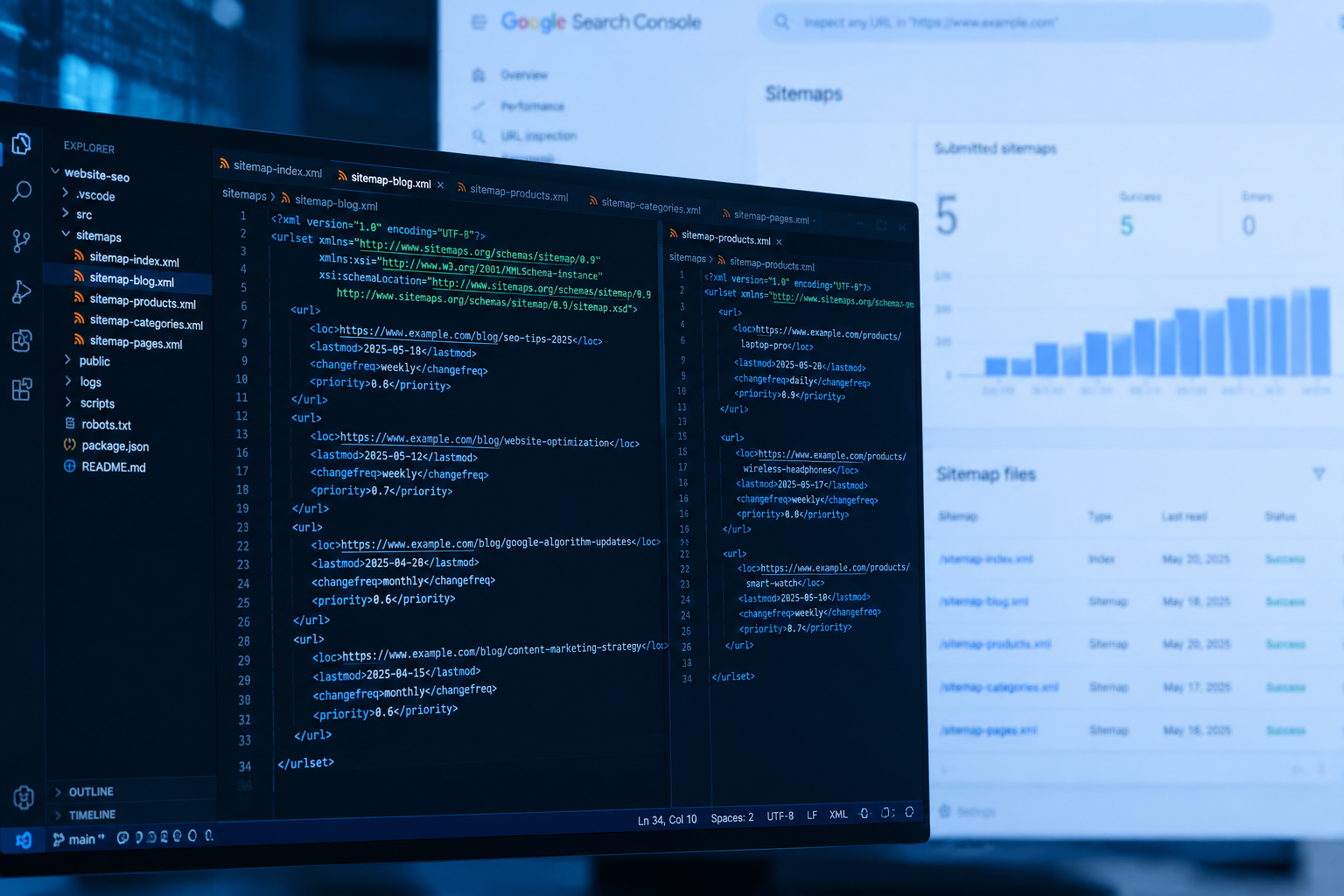
Blocking CSS, JS, and images in robots.txt is essentially self-harm. If Google cannot crawl these resources, it cannot render what your page actually looks like, and its quality assessment will be overly conservative. You need to understand one key point: search engines don't just read plain HTML text; they piece the entire page together visually. If you block styles and scripts, it sees a half-finished product and naturally won't dare give you rankings.
If you want a systematic look at how crawling and indexing work, browse through the Foreign Trade SEO & Marketing section, where indexation, keywords, and backlink synergy are explained in detail.
Use Your Active Submission Quota Where It Counts
Both IndexNow and Baidu's active pushing have quota limits. Not every page is worth pushing. My habit is: push new pages first, prioritize newly edited core pages, and leave the large batch of older pages for the sitemap to discover gradually.
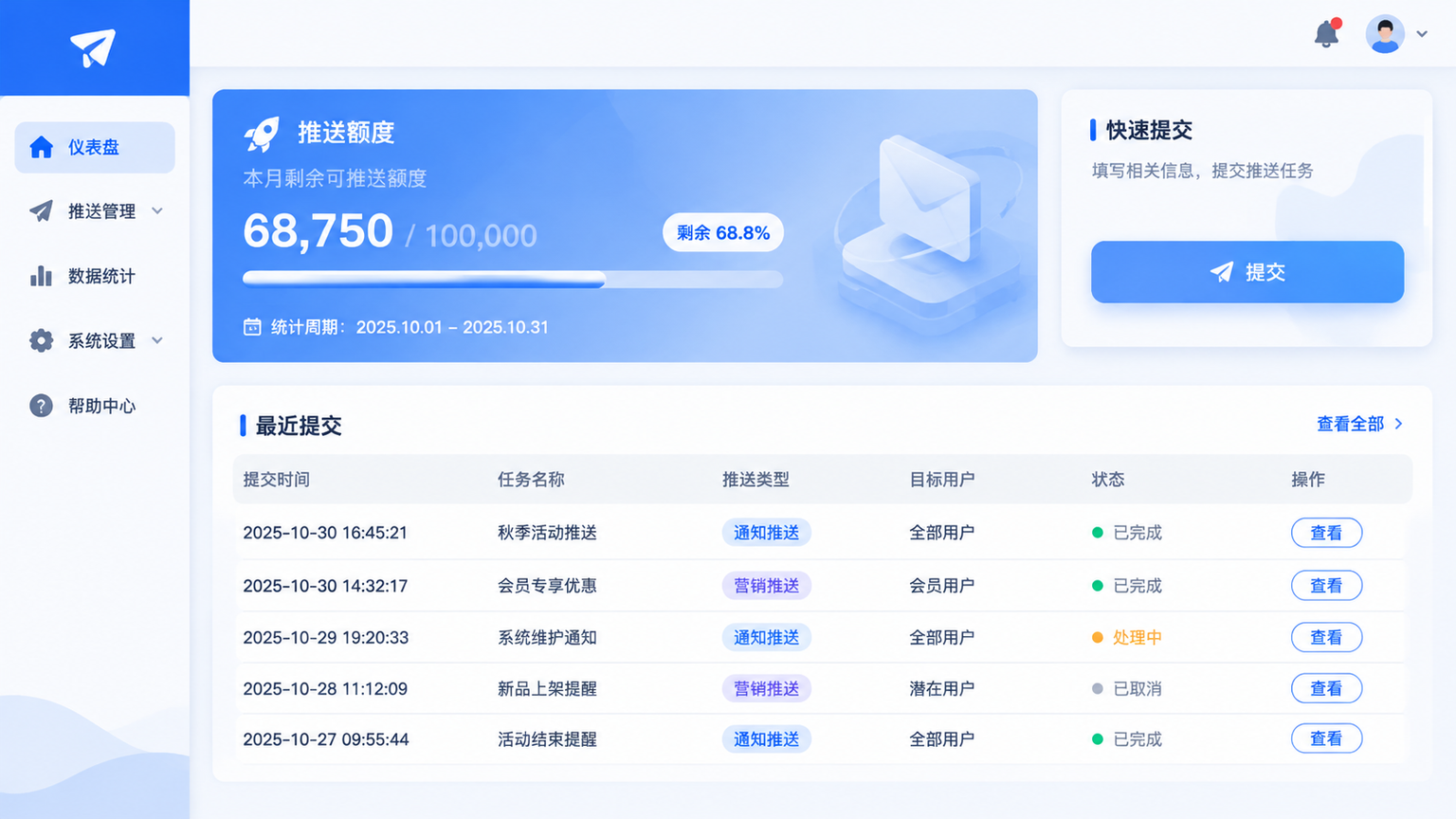
Many people get their quota and push the entire site all at once, resulting in genuinely important new pages getting buried at the back, missing the prime window of freshness. Search engines give newly published pages a specific freshness window; once wasted, it's gone.
Conclusion: When running an independent store from China, turn "being seen by Google" into a routine, standardized action. Submit your sitemap on launch day, notify search engines of new pages using active submission, and regularly check Search Console's indexing reports. Don't spend all your time tweaking the wording on your homepage.
Finally, here is where you should look for reference materials: Google's official Search Central documentation contains all specifications regarding crawling, indexing, robots.txt, and sitemaps; the IndexNow official website provides quota instructions and submission examples. When faced with uncertain configurations, always check official documentation first—don't trust second-hand tutorials.