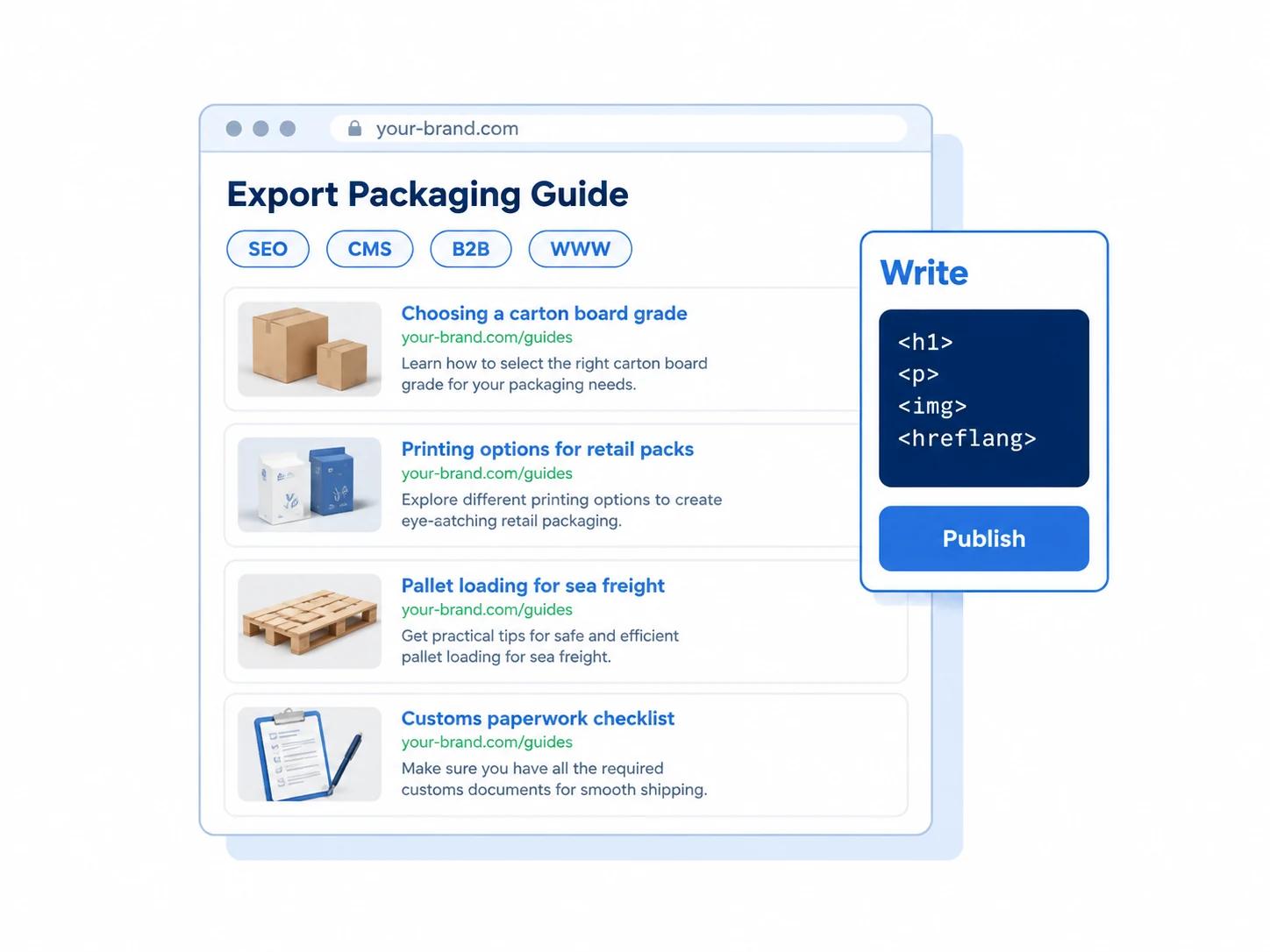
Running a site in only one language is like speaking only to buyers in one country. To cover more markets, the same product line needs to speak in different languages, following each country's search habits.
A multilingual site isn't done after one round of translation
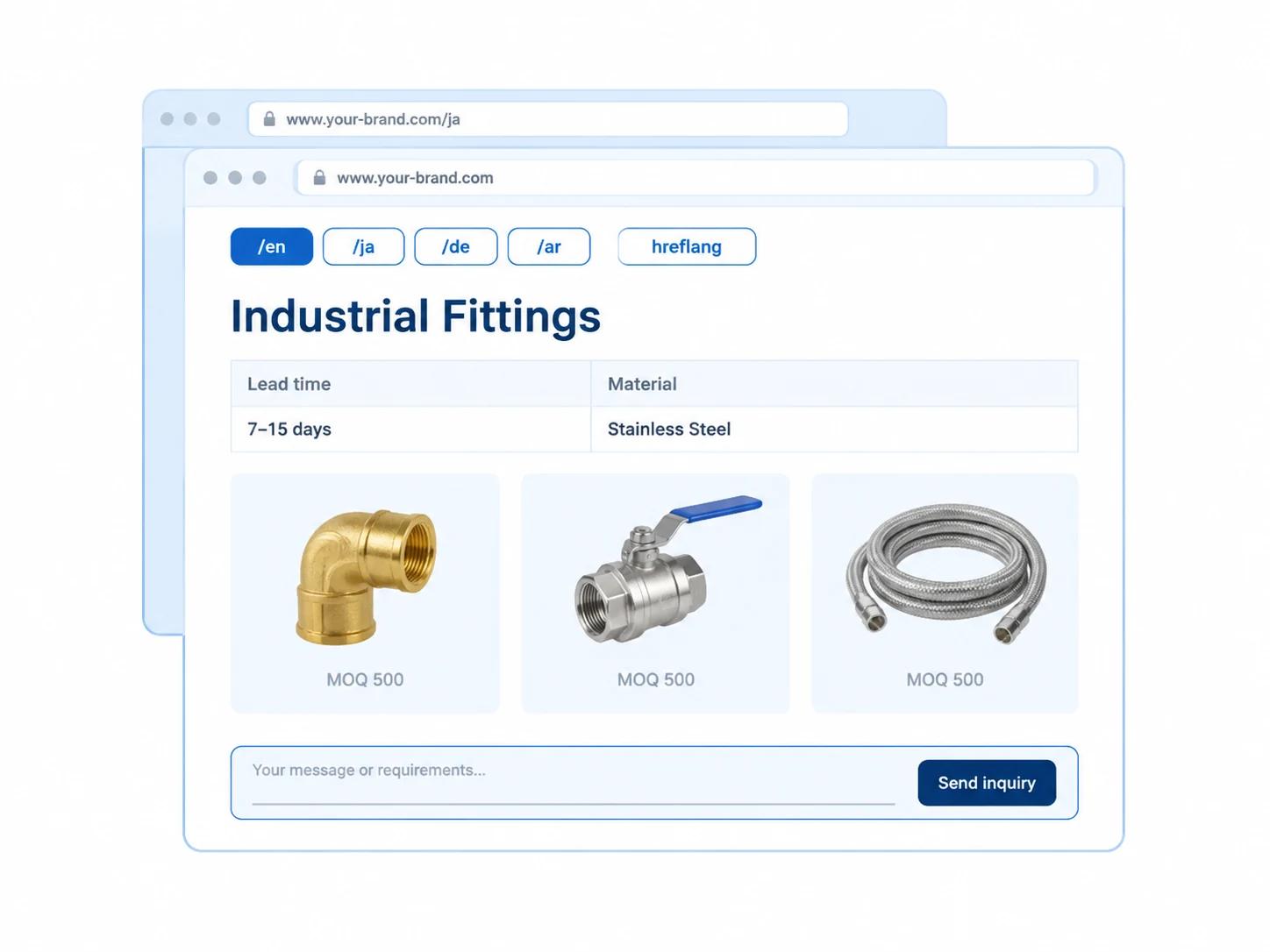
A true multilingual site needs to solve three things: each language version is indexed independently (without competing for rankings), hreflang points correctly (telling search engines which language version is for which region), and content can be updated continuously (otherwise it stops dead after translation). We handle all three together.
What's included
- Multilingual site structure: plan languages and directories by target country, with independent URLs and independent indexing.
- One-click translation distribution: after the Chinese source draft is produced, it is automatically translated into target languages—not machine-translation style.
- Unified admin panel: multilingual sites are managed in one admin panel, with SEO settings maintained centrally.
- Indexing loop: multilingual sitemaps, hreflang, and active submission, following up on indexing language by language.
Relationship with B2B official websites
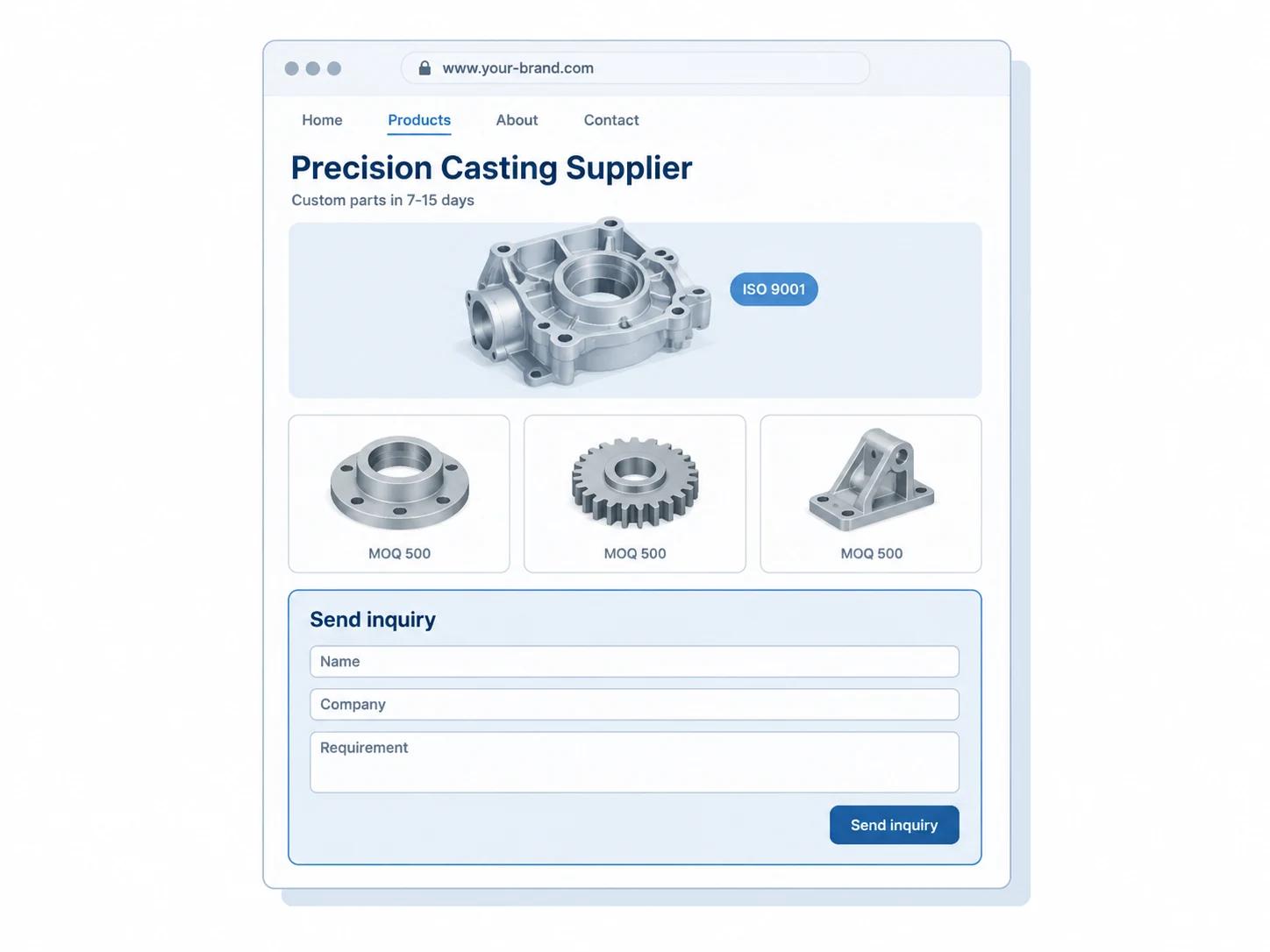
This tier can be understood as the multilingual version of a foreign trade B2B standalone website: the structural logic is the same, and the extra work is language planning and multilingual distribution.