
Independent Site Building is Not Just "Uploading Pages": The 5 Stages Separating Building from Stacking
Many foreign trade enterprise owners equate "independent site building" with "uploading product images," and only realize building and page stacking are not the same thing when Google doesn't index their site and inquiries are zero two weeks after launch. Using a stage-by-stage comparison, this article clearly breaks down the differences between the two, from domain selection priority ranking and site architecture design to the 5 deliverables of basic SEO configuration, giving you a tickable com
In the past, building a foreign trade website meant buying a domain name, applying a template, uploading product images, and telling the client "the website is done" on the very same day. That approach no longer works today. Google's crawling mechanism looks at site structure, content hierarchy, and entity relationships, while buyers decide whether "this company is reliable" within 3 seconds of opening a site. The meaning of "independent site building" has completely changed compared to 5 years ago.
What this article aims to do is dissect the commonly confused terms "site setup" and "site building" stage by stage, helping you know before you start: to what extent can it be considered "completed."
"Stacking Pages" vs. "Independent Site Building": The Gap is in the Process, Not the Technology
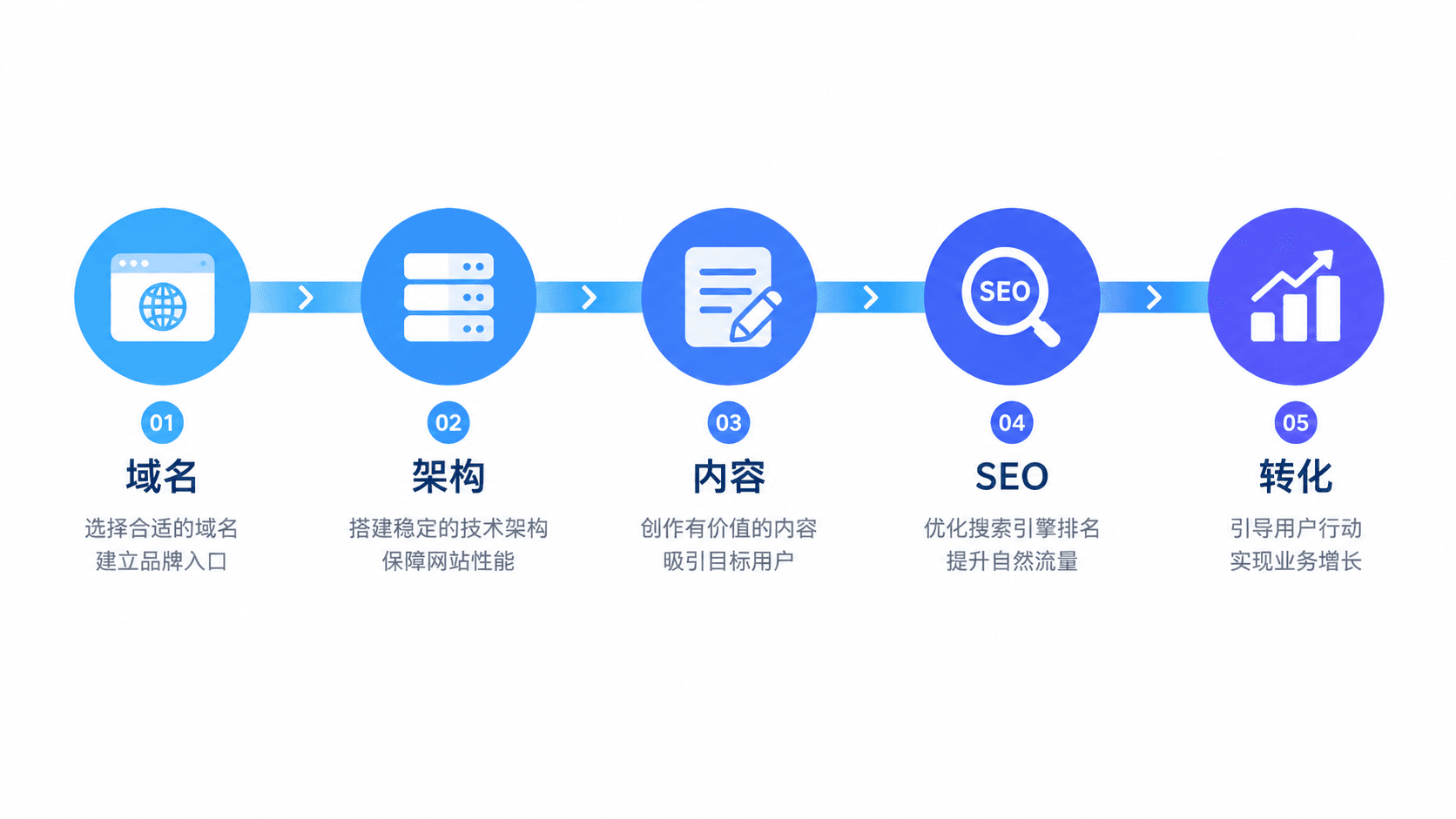
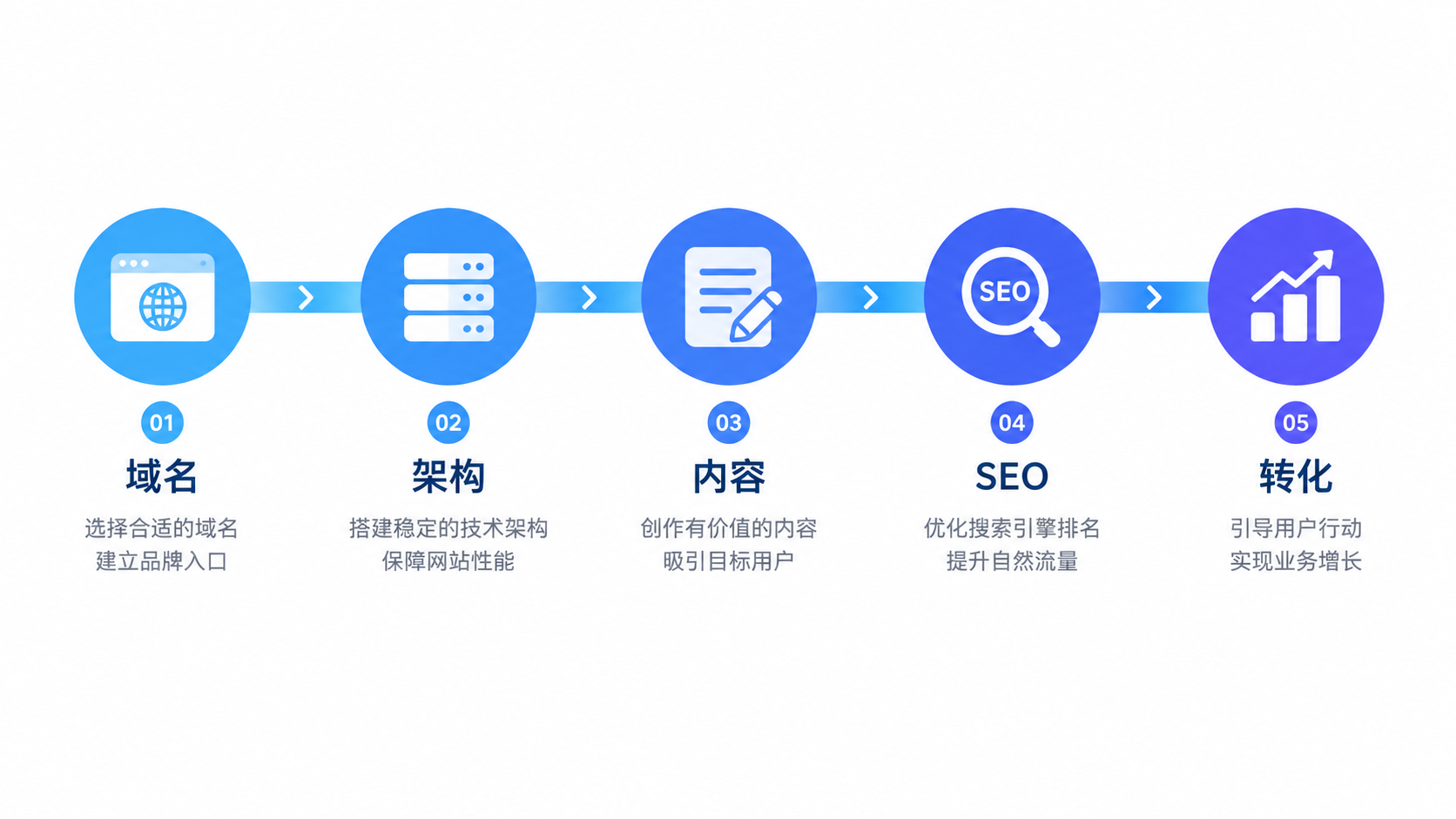
Let's state the conclusion first: many people understand "building" as a technical action—deploying pages to a server and making them accessible. In reality, independent site building is a complete process consisting of 5 stages: domain and infrastructure selection, site architecture design, content population, basic SEO configuration, and conversion path setup.
The reasoning is: if you only complete the first two steps, you get a "webpage that can open." After finishing all 5 steps, you get an "independent site that can be indexed by Google, found by target buyers, and generate inquiries." The difference is not technical difficulty, but process completeness.
How to do it: before getting started, list these 5 stages into a checklist, and confirm item by item who is responsible, when it will be delivered, and what the deliverables are. Don't Rush to Start Foreign Trade Website Construction: 4 Types of Materials Not Prepared Will Delay Launch by At Least Two Weeks discusses the waste of time caused by missing steps.
The Domain Step: A Reminder Not to Spend Just 5 Minutes
Conclusion: The domain name is the first and irreversible step of independent site building. Choose wrongly, and all subsequent SEO investments will be working for a low-trust address.
Reasoning: In Google's E-E-A-T evaluation system, the domain's history, extension, and semantic relevance are all trust signals. An aged domain with close semantics and clean data has higher weight transfer efficiency than a newly registered domain. Meanwhile, extensions like .cc, .top, .xyz, and .cloud, due to their extremely low registration costs, have long been abused by station networks and crawler pools, causing Google's initial trust in them to be noticeably low.
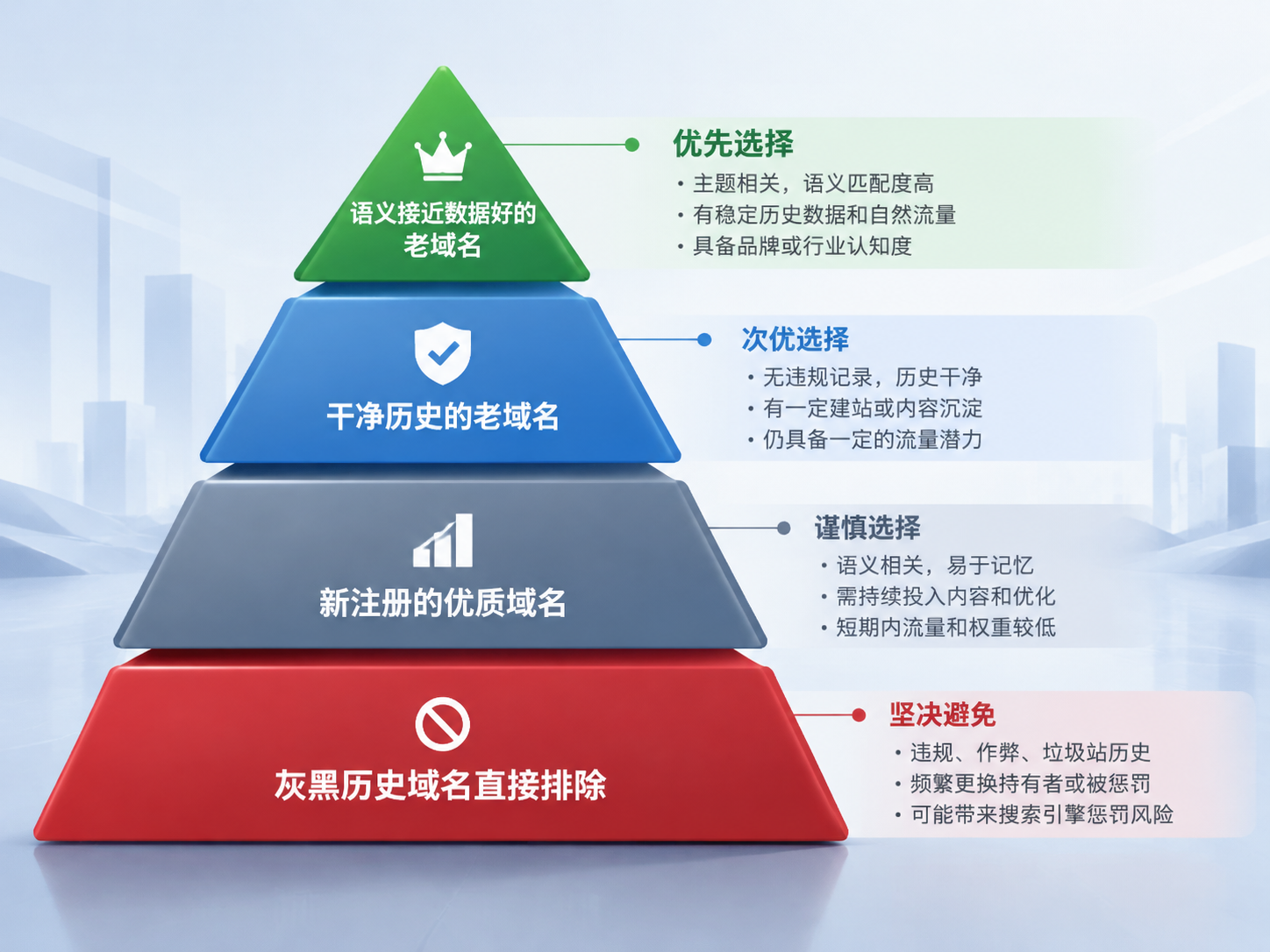
How to do it: When choosing a domain, prioritize them in this order—aged domains with close semantics and good data rank first; related domains containing brand or product keywords rank second; meaningless random domains rank third; domains with gray or black histories are directly excluded. Check historical snapshots using the Wayback Machine before registering to confirm they haven't been used for spam content.
A quick reminder here: if you already have a .com domain that has been used for years, even if the semantics aren't perfect, its historical weight is more valuable than newly registering a "perfect keyword domain." Don't change domains just to chase keyword matching.
The Criterion for Judging "Completion" is Not Just "Can Be Opened"
Conclusion: Comparing the two completion standards side by side makes the gap crystal clear.
The completion standard for "stacking pages": pages can open, images display, contact information is written. The completion standard for "independent site building": sitemap has been generated and submitted to Google Search Console; each page has an independent title, description, and H1; structured data (JSON-LD) is configured so search engines can understand page entities; hreflang cross-links between multilingual versions are correct with x-default tags; conversion components such as inquiry forms and online chat have been tested and passed.
Reasoning: Missing any single item means your site either won't be indexed, will be indexed but fail to rank, or will get traffic but fail to convert. This is not an issue of the optimization phase; it's a pitfall buried during the building phase.
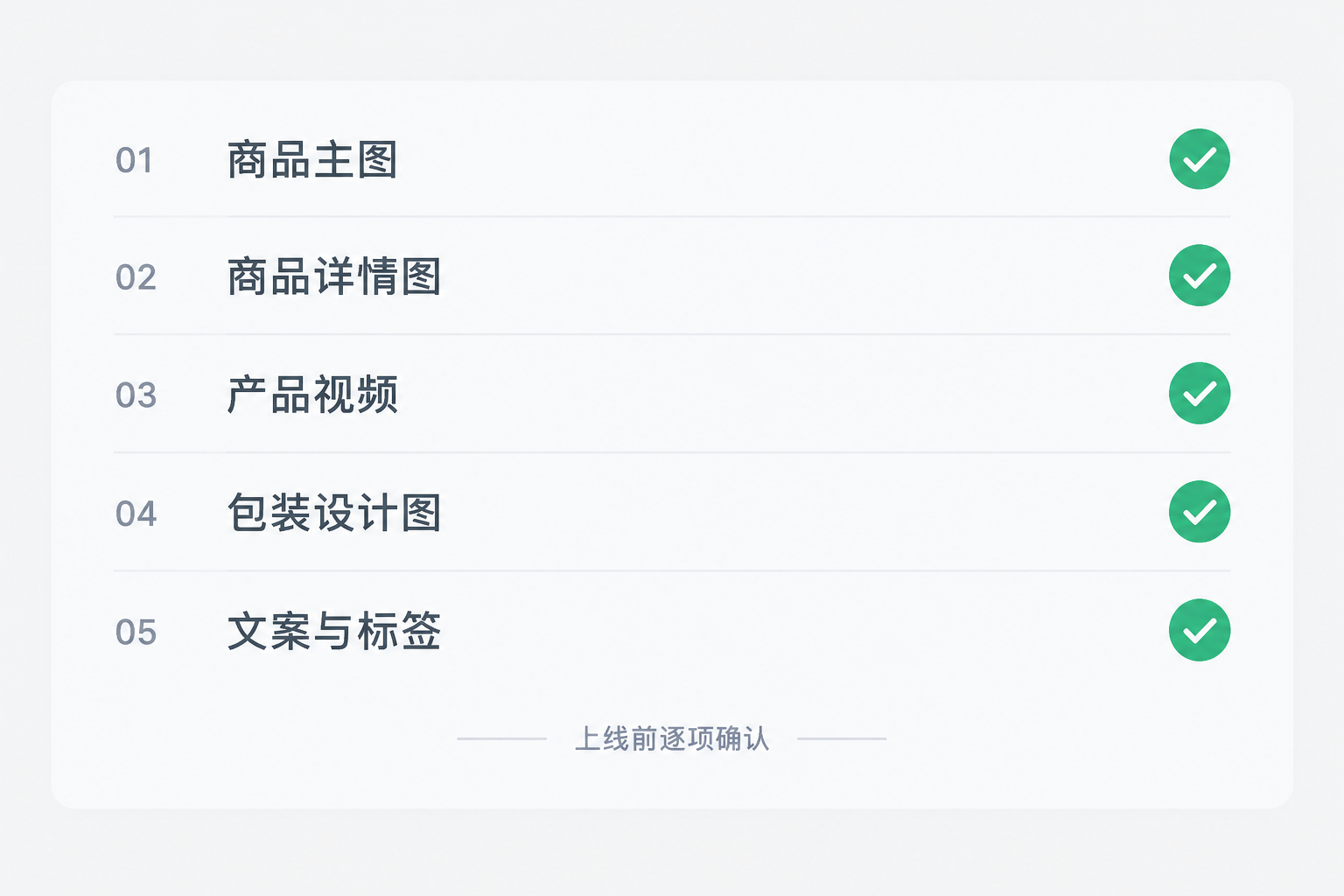
How to do it: Check off this list item by item before launching. Google Still Not Indexing? Check in This Order, 7 Steps to Pinpoint the Specific Cause—if your site hasn't been indexed two weeks after launch, it's very likely steps were missed during the building phase.
Scope and Limitations of This Article
This article applies to: small and medium-sized enterprise owners preparing to build a foreign trade independent site from scratch, foreign trade SOHOs, or persons in charge who already have a site but want to confirm whether the building process is complete.
Scenarios where it does not apply: If you are already using a SaaS platform and only care about store decoration, or if your requirement is purely brand display without involving Google organic traffic acquisition, the basic SEO configuration section of this article can be skipped. For a specific comparison of platform options and building methods, you can view Independent Site Platform Comparison: SaaS, Open Source, and Customization—Where Do the Differences in Money and Time Lie.
One final point: Independent site building is not a one-time project. After launch, you need to continuously produce content at a steady rhythm and monitor indexing and ranking changes. However, if the foundation is not laid solidly during the building step, no matter how good the subsequent content is, indexing and rankings will be discounted. First lay a solid foundation, then talk about continuous operation.