
Three Misused Industry Myths About Cross-Border E-Commerce in 2020: Dividends, Platforms, and Independent Sites
If you are still judging today's cross-border e-commerce using your 2020 experience, you've likely been led astray by three common myths. I view 2020 as a turning point for cross-border e-commerce: platform traffic costs went up, and awareness of independent sites was forced to mature. That year wasn't a golden era where everyone made money, nor was it a window where you could just list anything and get orders. This article analyzes three distinct scenarios—marketplace sellers, factory foreign t
目录
- Myth 1: The 2020 cross-border e-commerce boom meant everyone made money
- Myth 2: Building an independent site in 2020 meant you could get orders just by listing products
- Myth 3: There are no opportunities left in cross-border e-commerce after 2020
- Scenario-Based Breakdown: What You Should Have Done Back Then
- A Self-Assessment Checklist: Were You Led Astray by 2020 Myths?
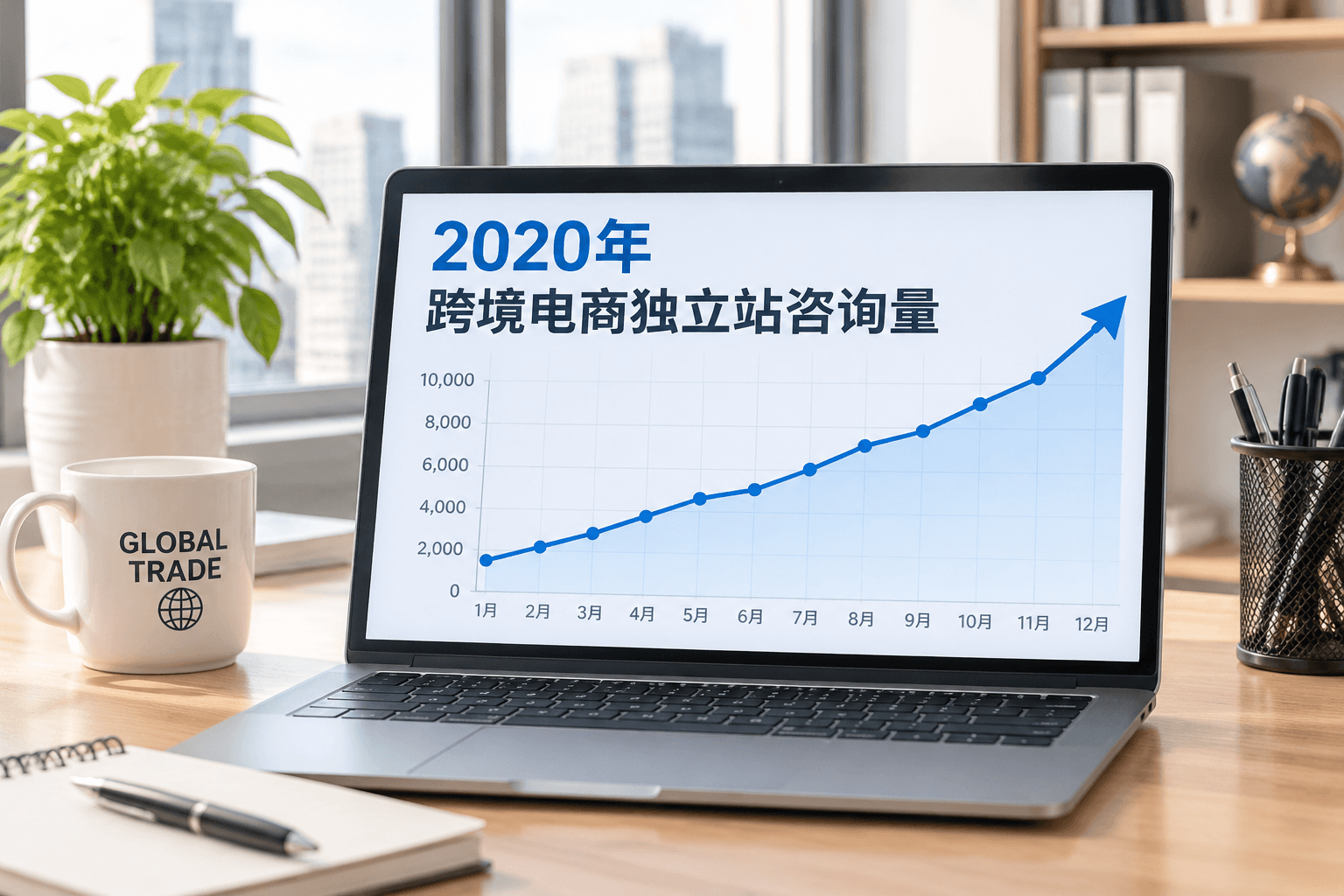
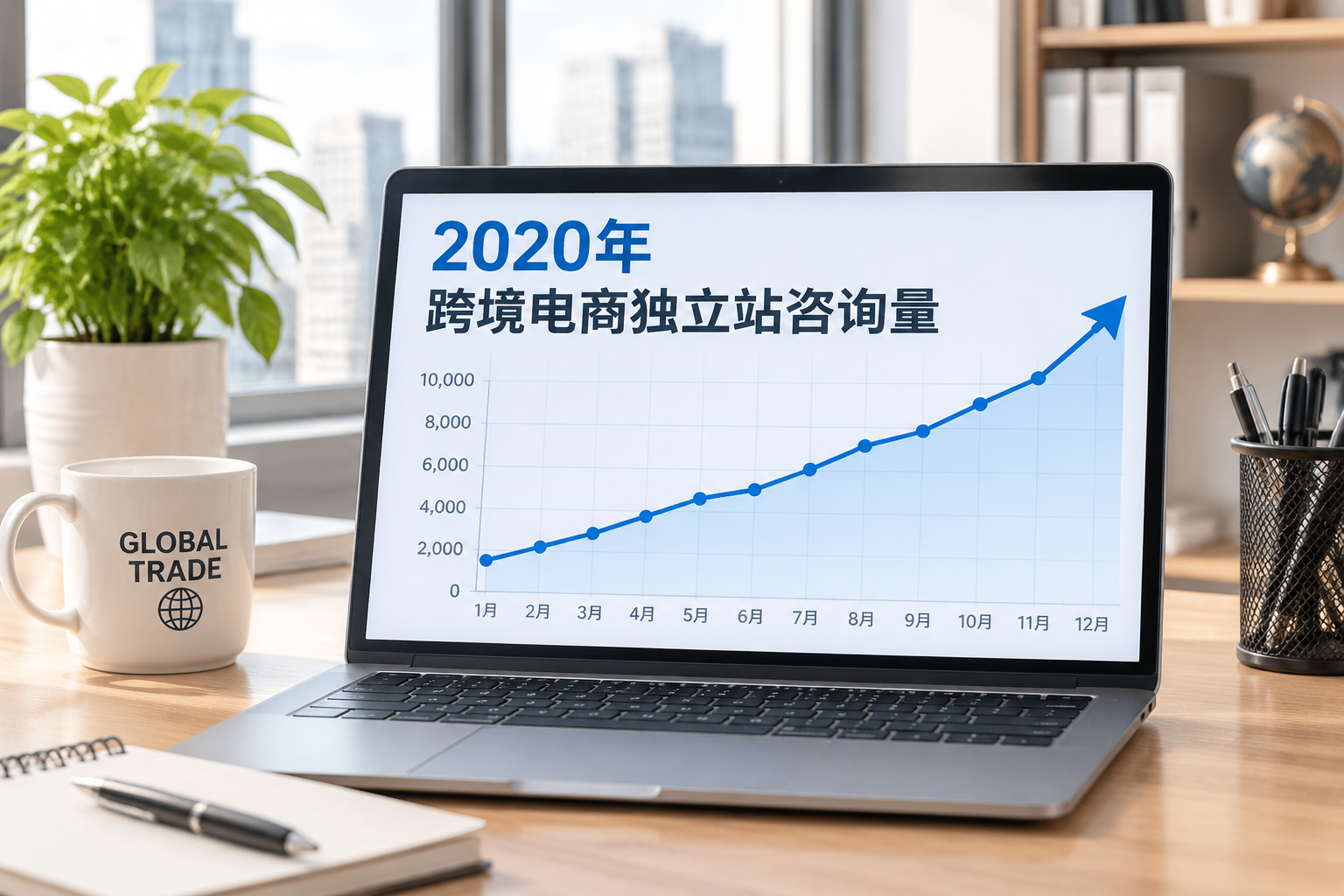
For those of us who run independent e-commerce sites, cross-border e-commerce in 2020 wasn't a boom year—it was a turning point. That year, platform traffic costs rose noticeably, and many sellers started asking us if they could build their own independent websites. This shift didn't happen overnight; it was forced upon us by platform rules and rising logistics costs.
Let me make this clear: if you are still using your 2020 experience to judge today's cross-border e-commerce, you are very likely to run into trouble. Below, I'll correct three commonly misused industry myths, and then give you actionable conclusions based on different scenarios.
Myth 1: The 2020 cross-border e-commerce boom meant everyone made money
The flaw in this statement is that it mistakes the surge in a few specific categories for the performance of the entire industry. The ones actually making money that year were concentrated in pandemic prevention supplies, home office gear, and certain stay-at-home economy niches. The machinery parts and apparel clients we worked with didn't feel much of a dividend in 2020; instead, their profit margins were heavily squeezed by interrupted logistics and exchange rate fluctuations.
If you treat the category performance of 2020 as a universal rule, you'll overestimate market capacity when choosing products for your independent site later on.
If you were a marketplace seller back then, check your own records: did your category experience a surge in demand in 2020, or was it just a brief prosperity caused by platform subsidies? This distinction directly determines whether you should launch a cross-border independent website on the side right now.
Myth 2: Building an independent site in 2020 meant you could get orders just by listing products
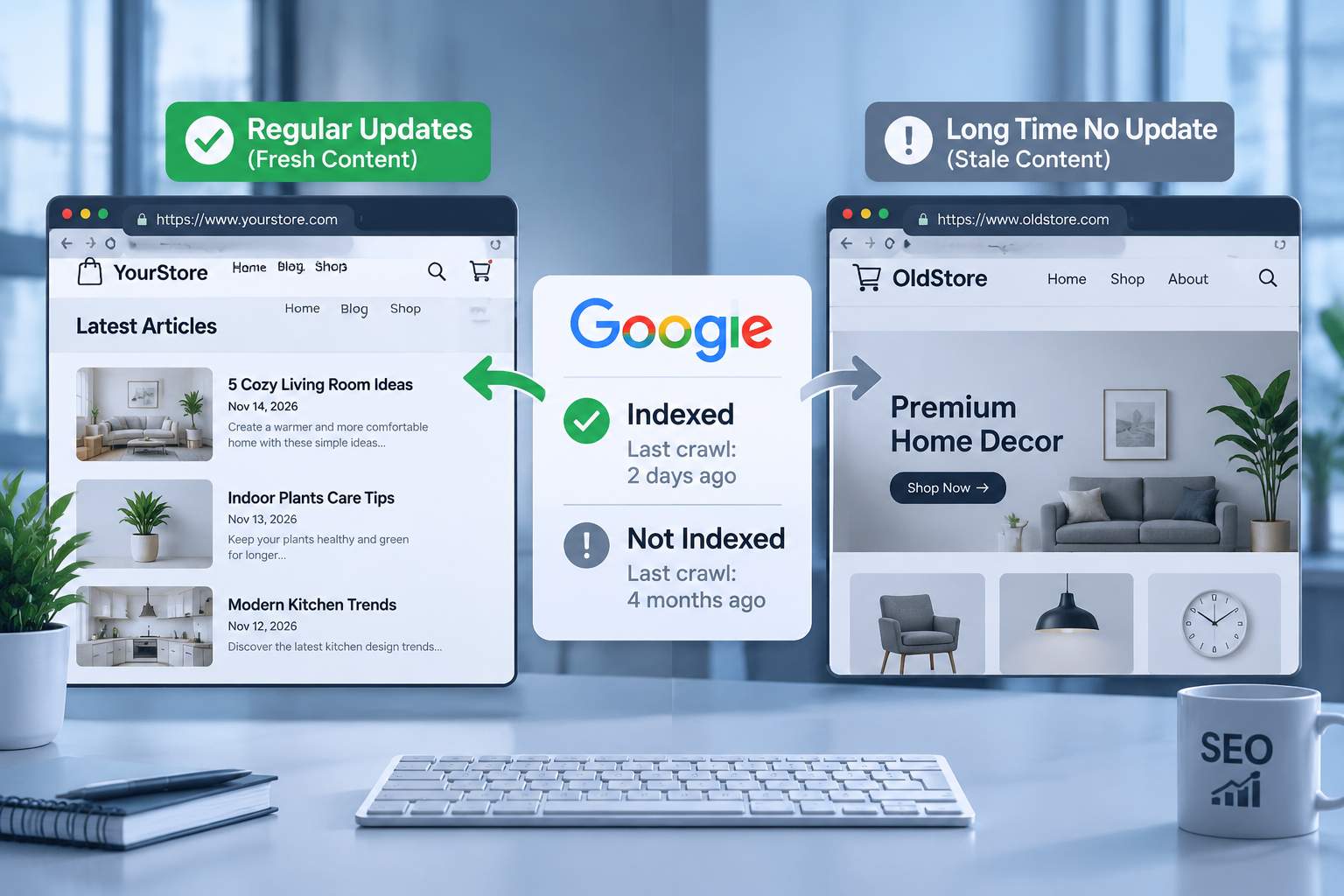
Independent websites don't have built-in marketplace traffic, and in 2020, Google was even more cautious about indexing and ranking new sites. That year, we helped a few clients build content sites. For the first three months, we got almost zero inquiries, and organic traffic only started trickling in by the fourth month. Because Google's core algorithm updates in 2020 emphasized content quality and entity recognition, new sites lacked historical data and struggled to quickly build trust.
If you fell for the hype that "independent sites have zero barrier to entry" back then, you probably gave up long ago. The reality is that independent sites require sustained content and structured data—putting up a single product page doesn't cut it. Regarding the boundaries between independent sites and marketplace stores, I previously wrote an article called Why a Seller's Independent Site Is Not Just Another Marketplace Store, which breaks this issue down much more thoroughly.
Myth 3: There are no opportunities left in cross-border e-commerce after 2020
This claim is wrong because it misinterprets the industry's shift from rough growth to refinement as a decline. After 2020, platform advertising costs continued to climb, making independent sites and private-domain traffic more stable customer acquisition channels. Our own business started accelerating after 2020 precisely because more factories and SOHO entrepreneurs realized the importance of holding onto their own customer data.
If you've been hesitating until now because of this myth, what you've actually missed is the critical time window to capture and retain customer email addresses. An independent site isn't an either-or choice against marketplace platforms; rather, they are two parallel customer acquisition lines. I've also expanded on this in How to Choose Platforms for Foreign Trade.
Scenario-Based Breakdown: What You Should Have Done Back Then
Scenario 1: Marketplace sellers holding orders but lacking customer data. The conclusion is that you should have started building an independent site back then to capture repeat purchases and inquiries. A marketplace store is just a sales channel, not a business asset.
Scenario 2: Factory foreign trade departments relying on trade shows and old clients. The conclusion is that when trade shows ground to a halt in 2020, independent sites became the only way to showcase products continuously. Many of the factory clients we brought on board during that period built their official websites completely from scratch.
Scenario 3: SOHO entrepreneurs wanting to test the waters of cross-border trade solo. The conclusion is not to dump money into ads right away. Instead, use an independent site to build up content and materials, and slowly nurture it alongside Google SEO. In 2020, Google's algorithm gave weighting opportunities to high-quality content sites, but you had to play by the rules.
A Self-Assessment Checklist: Were You Led Astray by 2020 Myths?
You can check your own situation against the following decision points right now.
- You only stared at marketplace order volumes back then, failing to capture and retain customer emails and contact info. If so, building an independent site now is like starting from scratch—you need to catch up fast.
- You thought Google rankings in 2020 were still as easy to manipulate as in 2015, where slapped-together content could get you onto the homepage. If so, you need to relearn modern Google SEO rules: content quality matters far more than quantity.
- You treated your independent site as a static product catalog that never needed updates. If so, you've likely severely underestimated the role of content operations in running an independent website.
- Because platform traffic was cheap in 2020, you are still gambling that platforms will never change. If so, it's recommended to treat an independent site as your backup channel and secure your domain name and data ownership first.

Self-assessment isn't just about reflection—whenever you notice an area you've neglected, take action to fix it that very day.
Finally, here is a small, actionable step you can take today: open the backend of your current marketplace store, export the email addresses of all customers who purchased after 2020, and see how many of them you can still reach. If that list is empty, or if you've never exported it at all, then you know exactly why you need to start an independent site.