
Starting Cross-Border E-commerce in Hebei: A 6-Step Checklist to Build Your Inquiry Channel
Factories in Hebei are asking: where do we start with cross-border e-commerce? This guide explains the difference between platforms and independent sites, breaks down the six main costs, provides a 6-step action plan to get your inquiry funnel working, and lists immediate tasks you can start today to get your site ready.
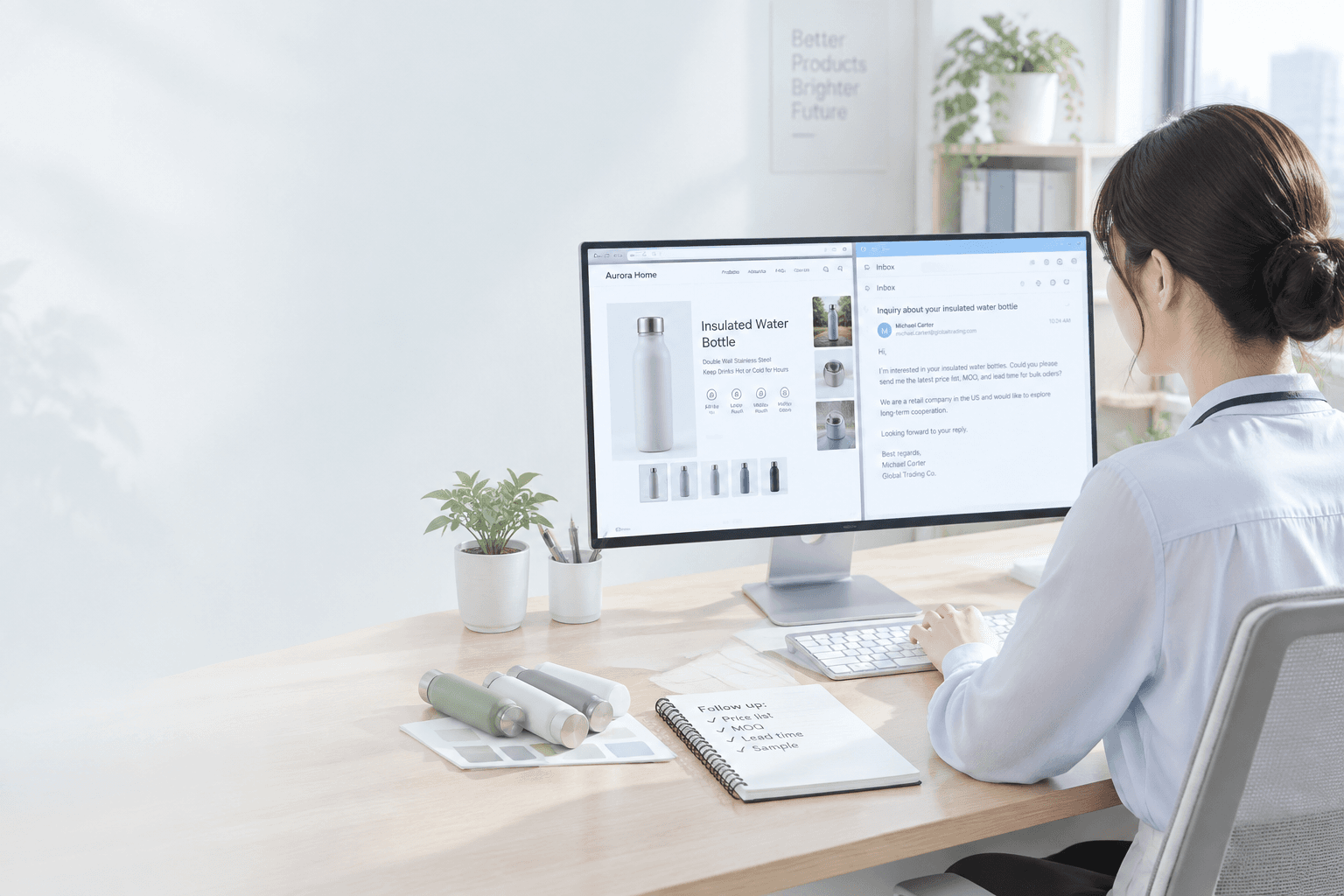
In the past six months, I’ve noticed a significant increase in inquiries from Hebei-based businesses: manufacturers of hardware, machinery parts, home decor, and apparel. The problem is almost always the same—they have the inventory and production capacity, their platform stores are live, but they don't truly own their customers. They want to build an independent website, but they don't know where to start.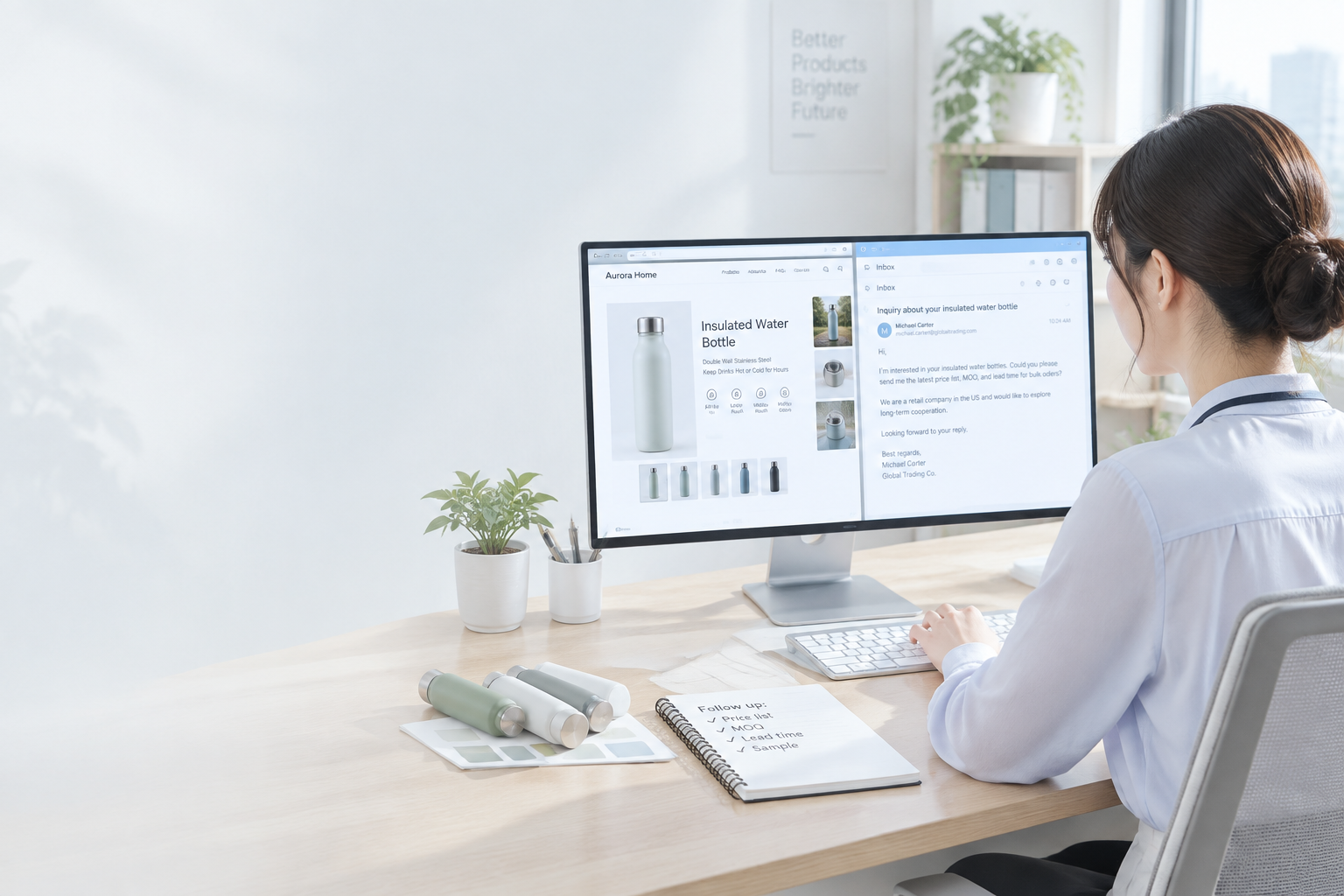
First, here is the conclusion: for most people in the Hebei cross-border e-commerce industry, the hurdle isn't "whether to do it," but doing things in the wrong order. They buy a server before deciding what to sell, or build a homepage before knowing where their customers will come from.
Platform stores vs. Independent websites: It’s not just about the money
The essence of a platform store is renting a stall in someone else's mall: the traffic belongs to the platform, the rules are set by the platform, and customer contact information is often incomplete.
An independent website is different. It is a site where you own the domain, the data, and the customer list; inquiries go directly to your email. The trade-off is that you have to drive your own traffic.
These two paths are not mutually exclusive. Many Hebei factories use a hybrid approach—using platform stores for orders and independent websites to capture Google traffic and business card inquiries from trade shows. It’s about having two legs to stand on; nobody is closing their platform store overnight.
If you aren't completely clear on these concepts, I recommend spending ten minutes reading this: Introduction to Website Building and Preparation. Getting the concepts right before you start will save you a lot of rework.
6 Key costs for Hebei factories building an independent website
Many people ask for the total price right away. It’s impossible to give a flat rate without details, but we can break down where the money goes.
1. Domain name: The general priority is: old, clean-history domains with relevant semantics are better than brand/product/category keywords, which are better than random or meaningless numeric strings. Avoid domains with shady histories. Also, a word of advice: extensions like .cc, .top, .xyz, or .club are cheap and favored by spam site networks; be cautious if you are building a serious brand.
2. Hosting: Analyze your site type and design first. Sites with many images and banners need more bandwidth to avoid slow loading. Search engines prefer servers located near the user; if your customers are in Europe or the US, don't just look at domestic hosting. Also, check to ensure your IP segment isn't crowded with spam sites.
3. Site architecture: The pricing logic for an informational official site, an e-commerce site with online payment, and a multi-language site network is completely different. Define this first.
4. Pages and categories: The number of pages represents the workload. 20 pages vs. 200 pages are two different scales entirely.
5. Feature integration: Cross-border payments, logistics tracking, multi-currency support, and CRM integration all require development and testing.
6. Language and content: Don’t wait until after launch to add languages. It is best to launch with all language versions ready, using hreflang tags to point them to each other and providing an x-default.
The sum of these six parts creates your quote. To get a sense of pricing, you can look at this Breakdown of Cross-Border Independent Website Construction Costs. Our service tiers and standards are listed in our Website Construction Services List. Specific quotes are based on your needs; you will receive a detailed itemized breakdown within one business day after submitting your requirements, with no hidden fees.
A 6-step checklist to go from domain selection to receiving inquiries
When the order is right, things become simple. These 6 steps represent a path with minimal rework for Hebei sellers.
1. Define your customers and languages. Answer who you are selling to: Europe/US, Southeast Asia, or the Middle East. English is usually enough to start; add other languages later based on where your inquiries come from.
2. Choose your domain and hosting. Follow the priorities mentioned above, and keep hosting close to your target customers.
3. Define site architecture. For B2B factories that only want inquiries, a display-oriented official site is enough. You only need e-commerce modules if you want to close deals online.
4. Define page structure. Product pages, application scenario pages, factory and quality inspection pages, and inquiry landing pages make up a site that can convert.
5. Basic SEO setup. Submit your sitemap to search engines; use structured data (JSON-LD) to help search engines understand your company, products, and location. Use proactive indexing (IndexNow/Baidu Push) after publishing pages instead of just waiting to be crawled. Everything Google emphasizes—Page Experience (including Core Web Vitals), Helpful Content, and E-E-A-T—comes down to three things: fast loading, genuine content, and verifiable information.
6. Configure conversion tools. Keep inquiry forms short—just an email and a request are enough. Connect at least one channel like online chat, email notifications, or WhatsApp so your inquiries don't get buried in a spam folder.
A quick note on AI: It saves time to draft product pages with AI, but don't just publish it as-is. "Helpful Content" is about whether the page offers something new. Use AI for the skeleton, then fill in your unique technical parameters, materials, quality control processes, and lead times. That is what gives a page real weight.
3 things for today, 3 things for this week
Knowing is not doing. Here is a practical checklist you can follow.
Three things to do today:
1. Open Google, search your product keywords plus the target country, flip through three pages, and note how many Chinese factory sites appear and what their product pages look like.
2. Create a table of your current platform store customers and check how many found you by searching for your brand name. Brand search volume is a key indicator of whether an independent site will gain traction.
3. Clarify exactly what you want: stable monthly inquiries, or customers placing orders directly online? This answer dictates where all your future money will be spent.
Three things to do this week:
1. Select 2–3 domain candidates, rank them by priority, and check their history for any red flags.
2. Organize 10 high-quality, real photos you can use externally: workshop, equipment, quality inspection, packaging, and samples. Don't use your supplier's stock photos; Google and image databases can tell the difference.
3. Request a detailed quote where every cost is clearly explained, and compare three different providers before deciding.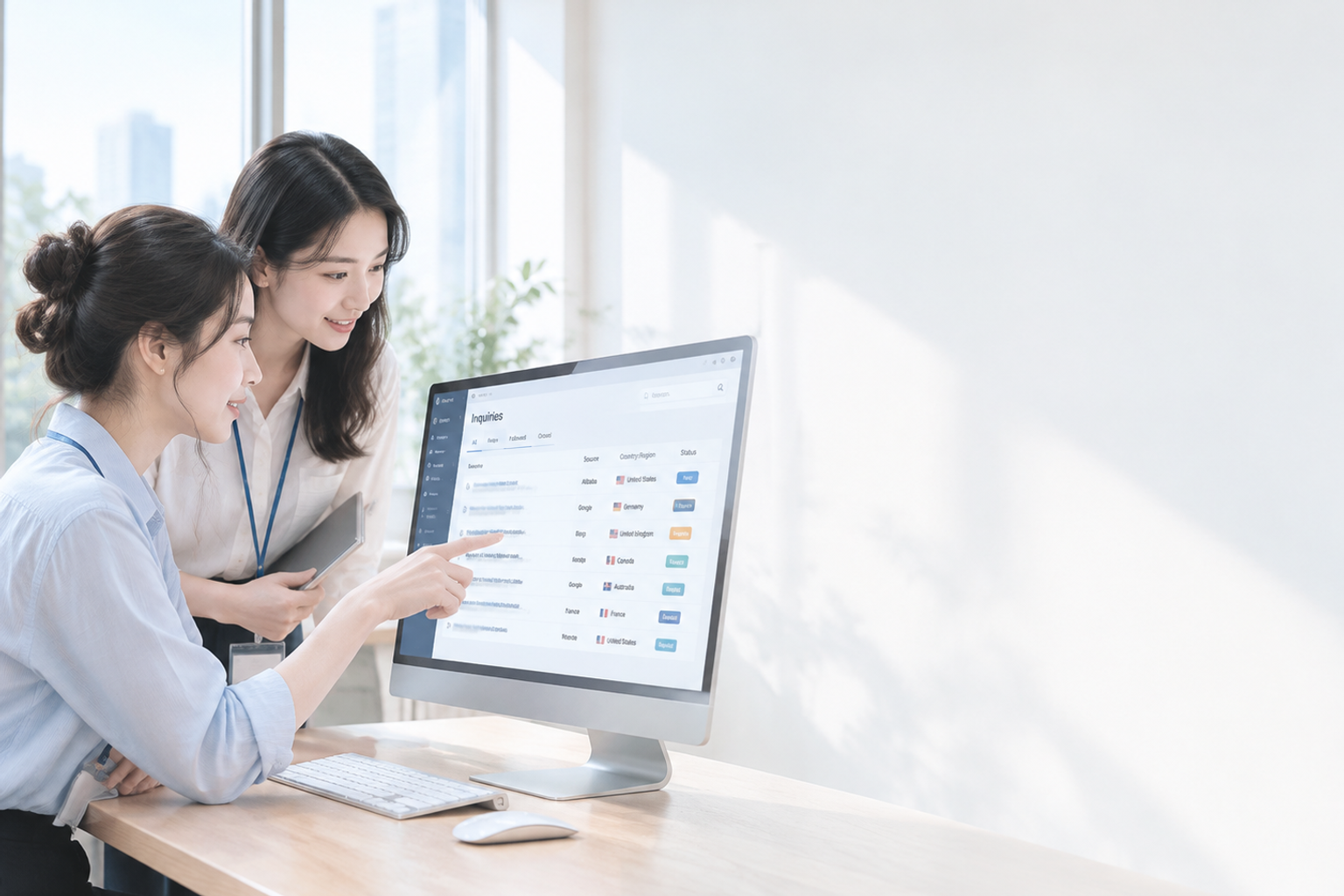
One more note on timing: Construction time doesn't start from the day you sign the contract, but from the day requirements are finalized and designs/prototypes are confirmed. A standard official site usually launches in 5–15 business days; those with multi-language and e-commerce modules take 7–25 business days.
If you aren't sure whether you need a display site or a multi-language store, it’s worth having a chat first. You can get a free requirements assessment to align on customers, languages, pages, and features before you decide to start.