
What Payment Acquiring Means for Independent Sites: When Chargeback Rates Exceed 1%, Gateways Freeze Your Settlement Funds First
One of the most common misunderstandings in our projects is treating independent site payment acquiring as simply enabling credit card payments, assuming money arrives instantly like a QR code. In reality, payment acquiring involves an institution handling transactions, performing risk control, and settling funds according to a cycle—commonly T+3 to T+7—while withholding a rolling reserve. Once chargeback rates exceed 1% consecutively, gateways freeze settlement funds. To determine if an acquiri
目录
- What Part of the Money Does Independent Site Acquiring Actually "Acquire"?
- Check Against These 5 Items to Determine if Your Acquiring Arrangement Is Reliable
- B2B and B2C Independent Sites Use Two Different Logics for Payment Acquiring
- Payment Acquiring Channels Freezing Settled Funds Most Commonly Results From High Chargeback Rates
I disagree with the saying that the scariest part of running an independent e-commerce site is having no orders. What we have seen in our projects to be a truly troublesome issue is when the orders come in, but the funds get stuck. Independent site payment acquiring doesn't work like domestic QR code payments where money hits your account instantly. Funds are first held in escrow by the acquiring institution, settlement cycles start from T+3 to T+7, new merchants might even face terms of T+7 or longer, and the payment gateway will withhold a rolling reserve. This is the most counter-intuitive aspect for many business owners receiving overseas credit card payments for the first time.
What Part of the Money Does Independent Site Acquiring Actually "Acquire"?
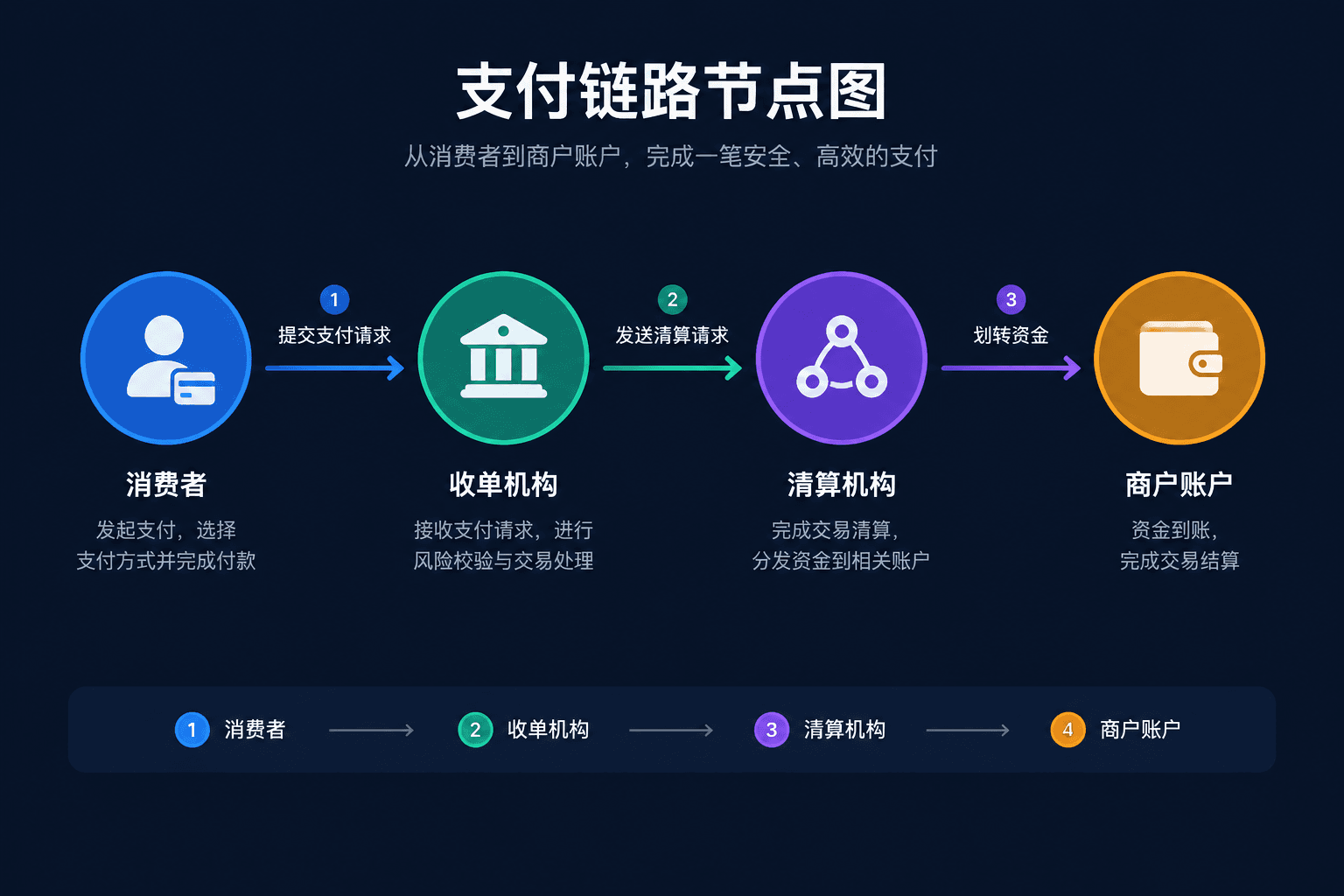
In industry jargon, independent site payment acquiring is called payment acquiring—the entire process where an acquiring institution handles transactions, manages risk control, and settles the funds to you. It is not the same thing as a payment QR code, nor is it the same thing as money arriving in your account.
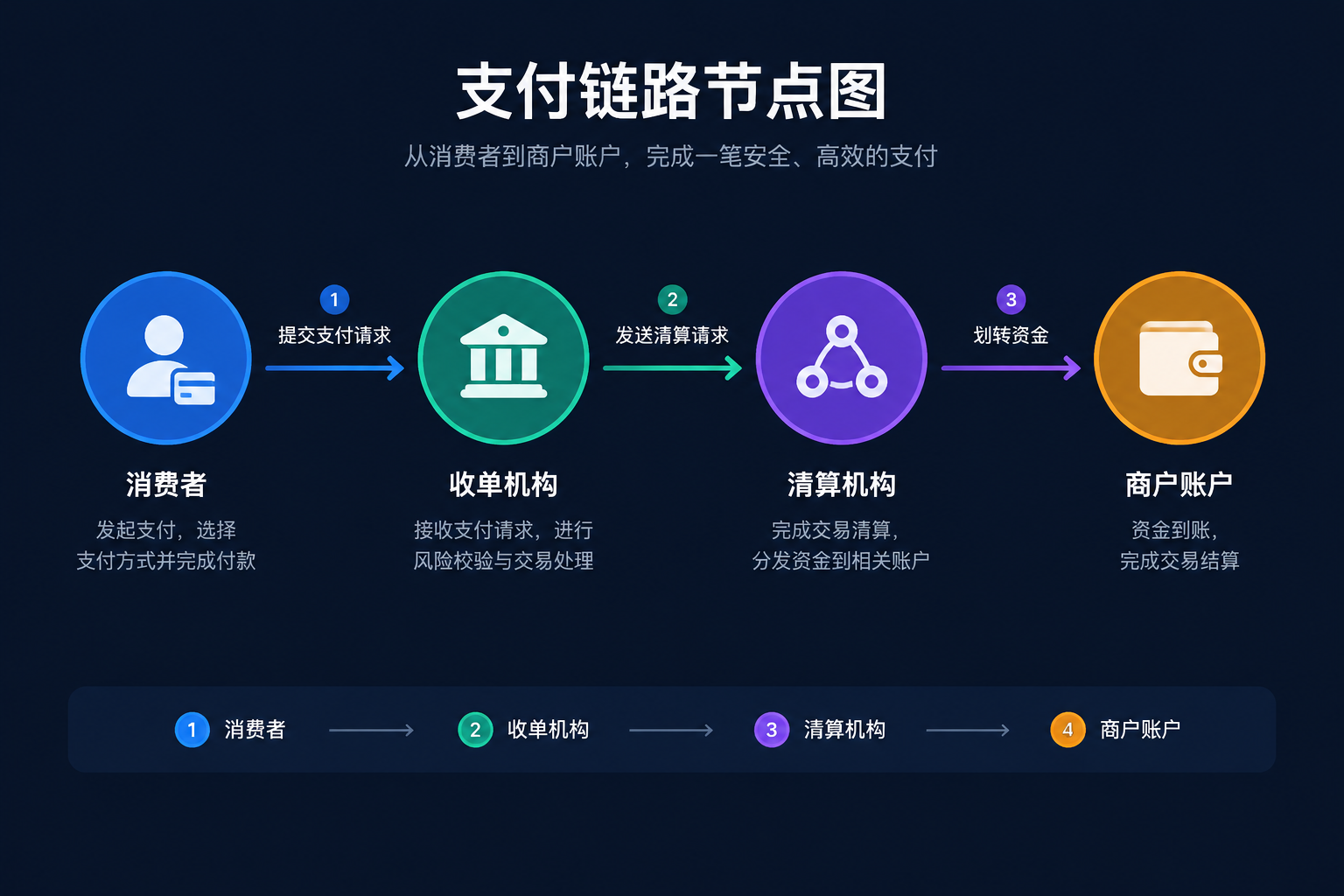
When a consumer places an order and pays on an independent site, it triggers a transaction authorization. The payment gateway or acquiring institution accepts the transaction, conducts a risk assessment to ensure it isn't fraudulent, and then goes through clearing before the funds enter the settlement process. Upon the settlement date, the gateway transfers the funds to your receiving account, and you then initiate a withdrawal. Every step in the middle involves a time lag and a cost.
Therefore, the complete meaning of independent site payment acquiring should be broken down into three layers: payment channels, settlement cycles, and reserve rules. Looking only at whether credit cards can be accepted is much too superficial.
Check Against These 5 Items to Determine if Your Acquiring Arrangement Is Reliable
When building websites for clients, those who run into the most payment acquiring issues are often not the ones who don't know what acquiring is, but those who failed to ask about key parameters before integration. Below is a checklist you can use to verify items one by one.
- Settlement Cycle: When settlement begins (e.g., T+how many days), whether new merchants face extensions, and whether weekends and holidays count.
- Rolling Reserve: What percentage of the settlement amount is held, until when it is released, and whether there are dynamic upward adjustment clauses.
- Fee Structure: Whether transaction fees, chargeback processing fees, cross-border fees, and currency conversion fees are quoted separately or bundled into a single fee.
- Chargeback Handling: How soon you are notified after a chargeback is triggered, what appeal materials you need to prepare, and how long results take.
- Settlement Account: Whether the funds land in an overseas entity or a Hong Kong entity, and what the cost is to withdraw to a domestic corporate account.
The most easily overlooked item isn't transaction fees, but the rolling reserve: it doesn't appear on prominent fee tables, yet it ties up your cash flow for the long term.
| Parameter | Meaning and Verification Key Points |
|---|---|
| Settlement Cycle | Time from consumer payment to funds settled and credited, commonly T+3 to T+7, potentially T+7 or more for new merchants |
| Chargeback Monitoring Threshold | Visa and Mastercard's general monitoring threshold for merchant chargeback rates, typically set at 1%, exceeding this consecutively triggers freezes |
| Rolling Reserve | Funds held in reserve by the gateway based on a percentage of the settlement amount; ratios and release rules must be asked in advance |
| Fee Structure | Whether transaction fees, chargeback processing fees, cross-border fees, and currency conversion fees are listed separately |
B2B and B2C Independent Sites Use Two Different Logics for Payment Acquiring
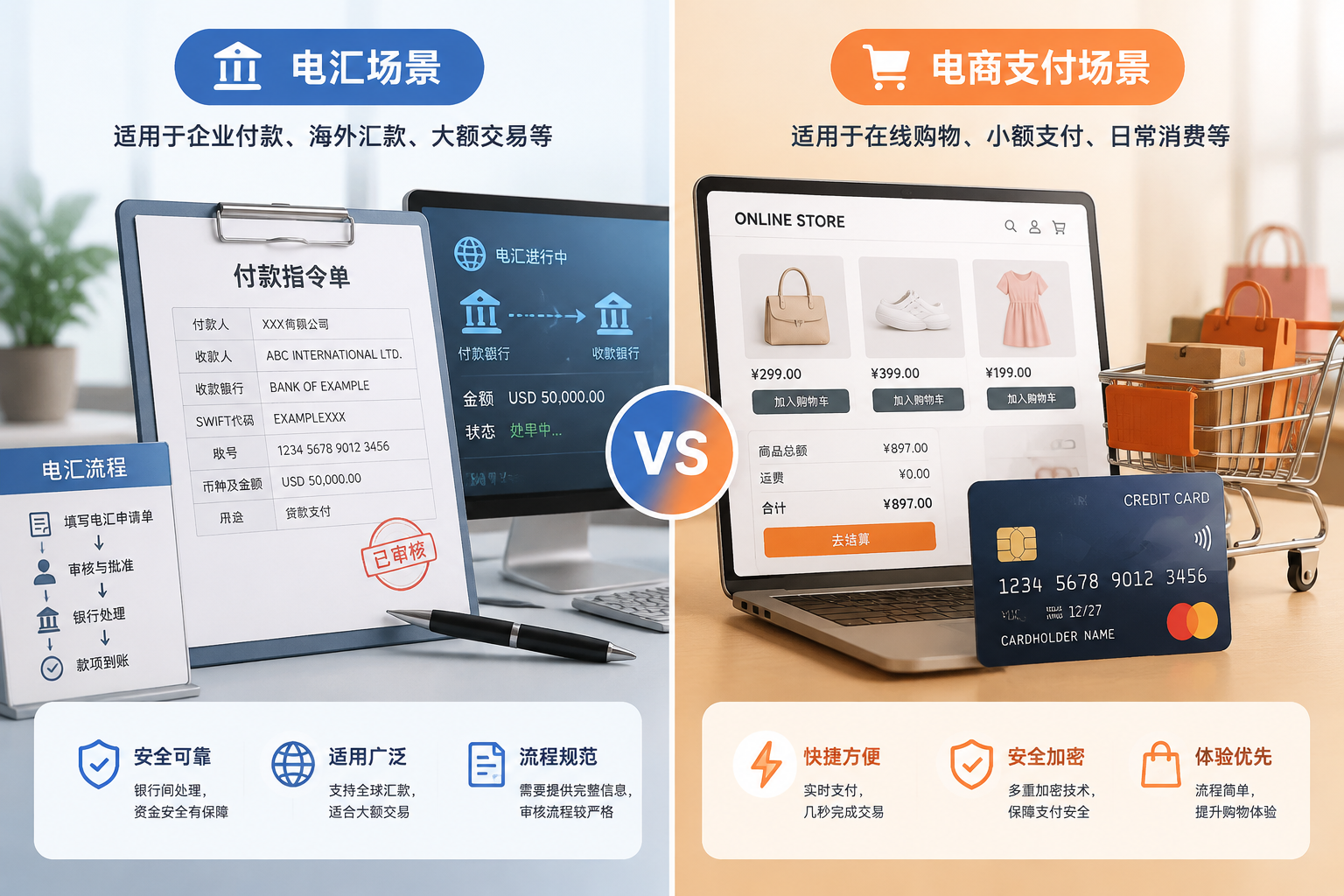
Most B2B sites process payments via inquiries, wire transfers, and letters of credit, whereas B2C sites feature true online payment acquiring. If you don't distinguish this difference first, you will waste money on acquiring.
When running a B2B site, average order values are high, and buyers typically do not click to pay online; instead, they negotiate prices and use T/T wire transfers, such as a 30% advance payment with the balance settled before shipment. Your independent site's true conversion action is an inquiry, not an order checkout. Therefore, when building foreign trade B2B sites, we focus on configuring inquiry and conversion rather than pouring all our effort into credit card payment acquiring.
When running a B2C site, buyers expect to pay immediately once they decide to buy, so payment acquiring must support credit cards, PayPal, and mainstream local payment methods. We previously worked on a cross-border B2C project where local payment options were insufficiently integrated, resulting in the loss of a portion of European orders. In such projects, the stability and localization level of the payment acquiring channel are far more important than a pretty page.
Regarding the differences between B2B and cross-border independent sites, you can read this article: What is the difference between foreign trade B2B website building services and cross-border e-commerce independent sites?
Payment Acquiring Channels Freezing Settled Funds Most Commonly Results From High Chargeback Rates
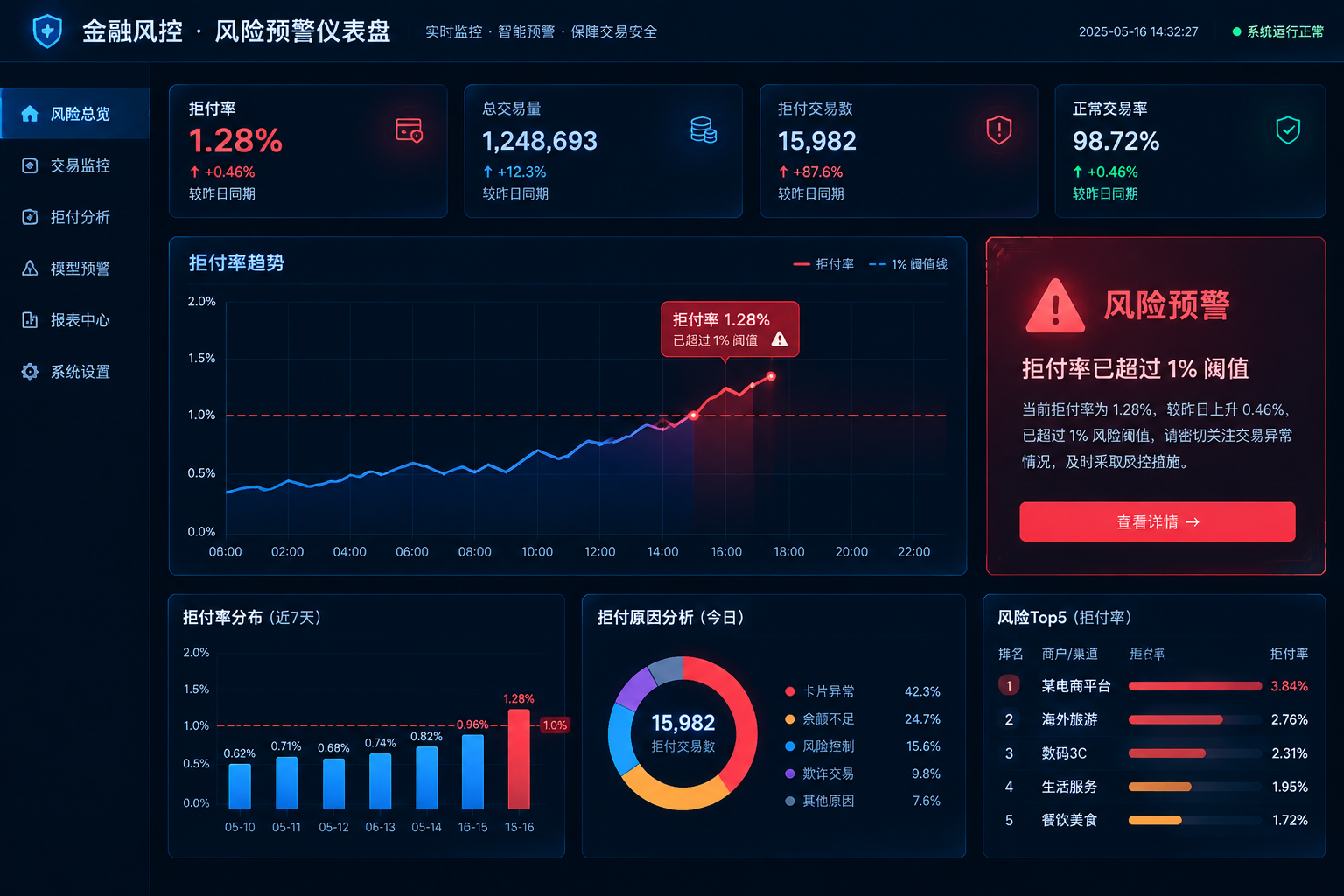
Payment acquiring channels won't trust you permanently just because you're a nice person; they look at data. The most critical data among them is the chargeback rate. A chargeback occurs when a consumer disputes a transaction and the bank takes the money back. Visa and Mastercard's chargeback monitoring threshold for merchants is typically set at 1%. Exceeding this line consecutively will cause the payment gateway to freeze your settlement funds first and demand that you submit explanations.
Chargebacks do not necessarily mean fraud. Many chargebacks stem from consumers forgetting about a purchase, being dissatisfied with the product, or logistics showing non-delivery even if the customer claims they didn't receive it. More troublingly, the chargeback rate enters the channel's risk control model, affecting future settlement cycles and reserve ratios.
When building independent sites, we implement preventive measures ahead of time on product and checkout pages: clearly stating delivery timeframes on the shopping cart page, sending email notifications with shipping addresses and estimated arrival times, and making contact information and order pages convenient for users to resolve issues with merchants first rather than directly initiating chargebacks. These actions can suppress many non-fraudulent chargebacks.
Here is an easily overlooked point: if an independent site's product list page has chaotic TDK (Title, Description, Keywords) and page layouts, attracting traffic that doesn't match the products, the subsequent chargeback and refund pressure will be even greater. When designing product list pages, we require titles and descriptions to incorporate target audiences and use cases, rather than just having a product name and a price. Google checks whether the TDK and listed products of this page correspond to search intent; pages with non-vertical categories cannot retain incoming traffic even if it arrives. This is a reminder we summarized from our projects: payment acquiring is not isolated; it is preceded by pages, traffic, and audience matching.
You might ask next: should I open the payment acquiring channel first, or build the website first? I suggest determining the site format first—whether it's a showcase corporate website or an e-commerce store with online transactions, as this will in turn dictate what qualifications your payment acquiring account needs. The realistic approach is to clearly define your payment integration requirements and evaluate them together with website building. For complete methods on payment integration, view our Payment Integration tag.
If you aren't sure which type of payment acquiring channel your site should integrate, you can do a requirement assessment first by telling me your site format, product category, and settlement region, and I will help you determine which direction to head.