
Hiring a foreign trade website company: quotes from 8,000 to 60,000 — the 5 differences and 7 must-ask questions
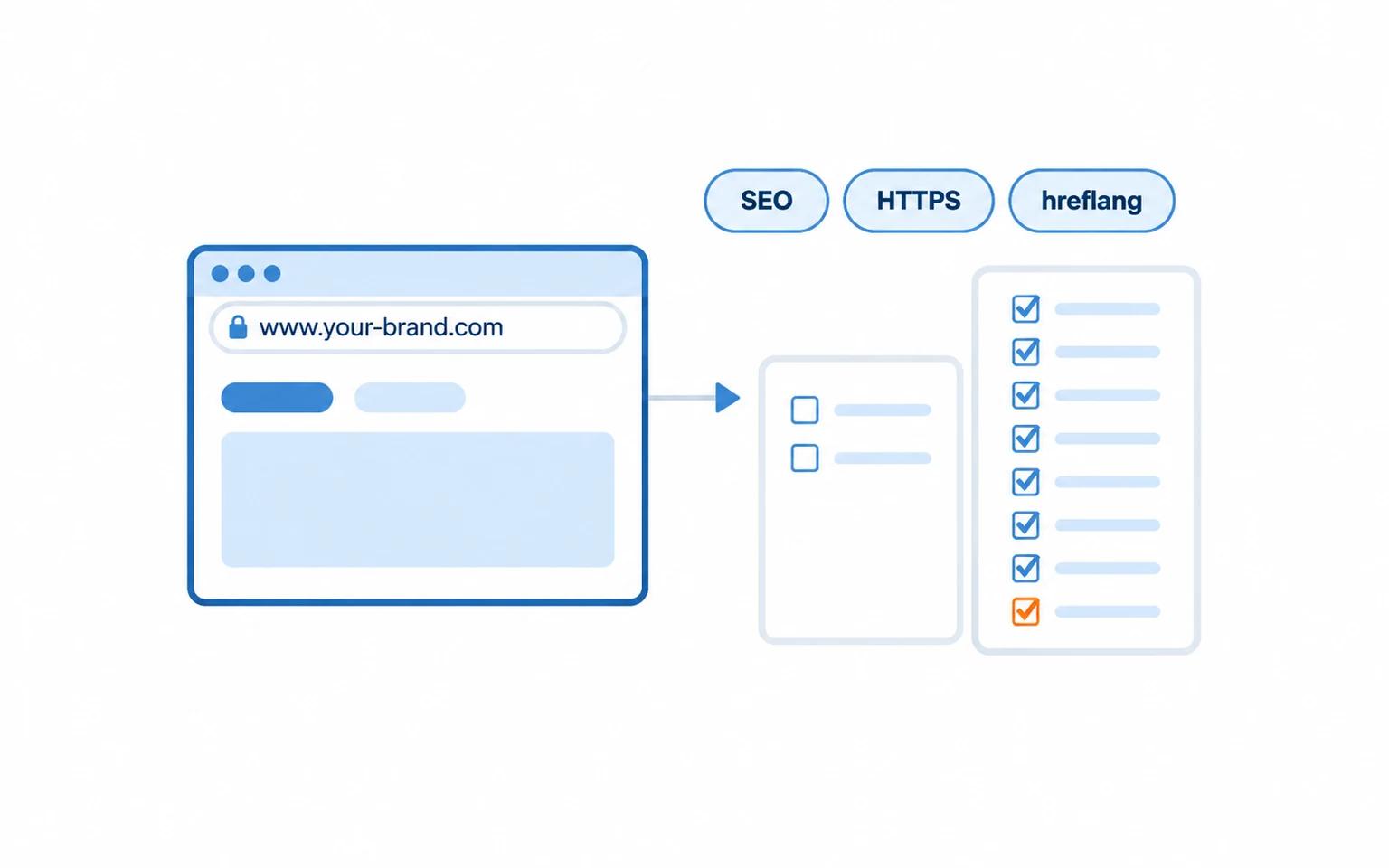
The difference between a foreign trade website company quoting 8,000 and one quoting 60,000 is not the design, but multilingual support, Google SEO basics, inquiry setup, and ongoing maintenance. This article explains the cost structure, common market ranges, 7 must-ask questions, and the fit of three types of service providers, so you can judge whether a quote matches the delivery list, know when to check progress, and decide how to spend the money. Specific quotes need to be assessed based on
目录
- Quotes range from 8,000 to 60,000 — the difference is really these 5 items
- Before signing the contract, make the foreign trade website company answer these 7 questions clearly
- Three types of foreign trade website companies and who they suit
- Launch is just the beginning: keep an eye on these time points
I came across a set of recently best-selling food images and wanted to talk about the approach behind them: the same nuts, on Company A's website, visitors close the page in 3 seconds; on Company B's website, people scroll all the way down to the inquiry box. The difference is often not the artwork, but whether the foreign trade website company that built the site got both "for people" and "for Google" right at the same time.
So whenever someone asks me what to look out for when choosing a foreign trade website company, I usually ask first: is the quote in your hand 8,000 or 60,000? Those two numbers usually do not represent the same thing.
Quotes range from 8,000 to 60,000 — the difference is really these 5 items
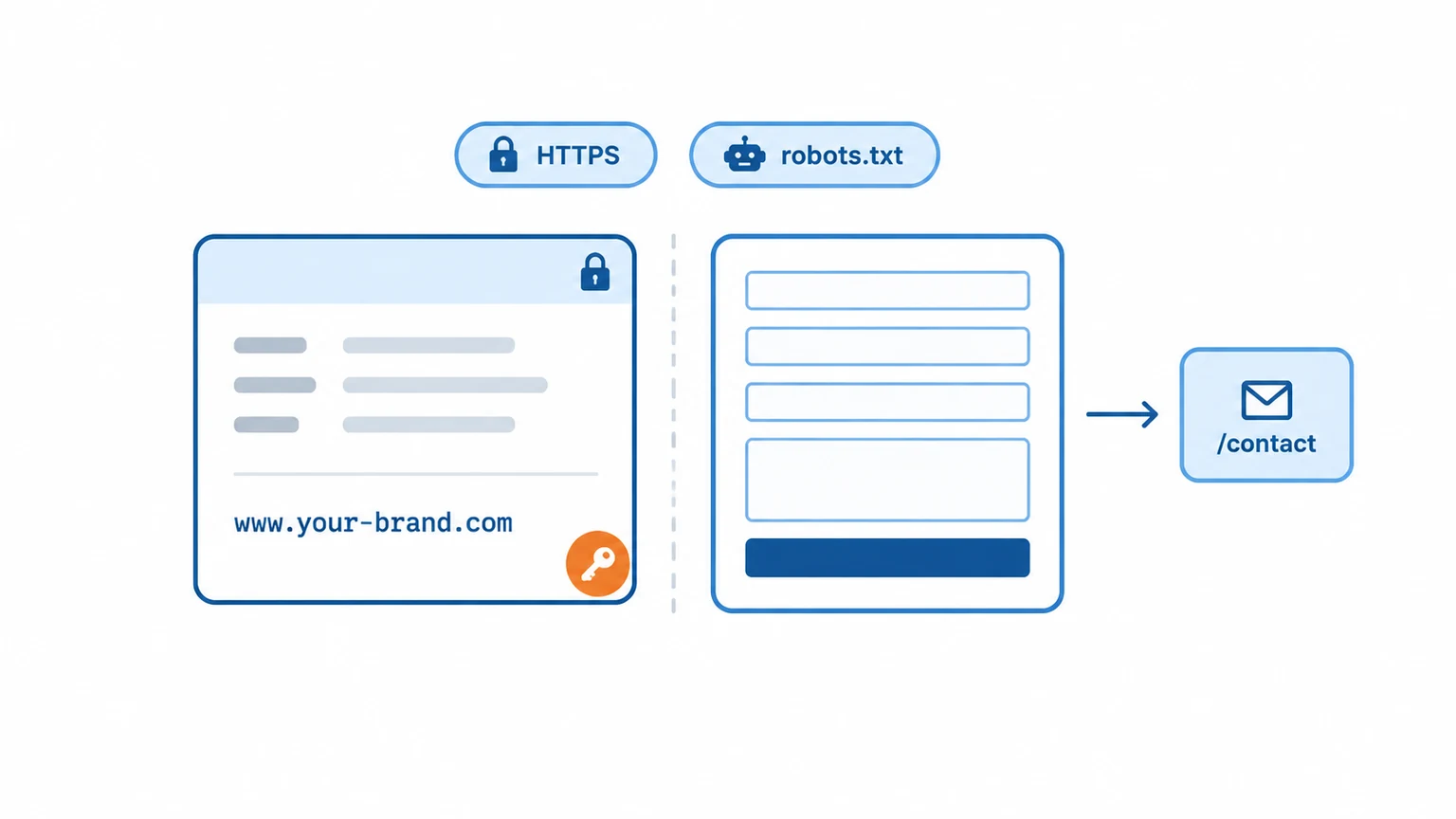
First, look at where the money goes. Below are the more common cost components and ranges in the industry; this is not our quote. Specific pricing needs to be assessed based on requirements—contact us for a consultation.
| Item | Common practice | Common market range |
|---|---|---|
| Domain | .com, registrant listed as your company | CNY 60–120/year |
| Server / hosting | Overseas cloud host for European and American customers | CNY 500–3,000/year |
| Page design | Ready-made template / semi-custom / fully custom | CNY 0–15,000 |
| Development | SaaS annual fee / open-source secondary development / custom | CNY 2,000–50,000 |
| Multilingual | Per additional language | CNY 500–3,000 per language |
| Google SEO basics | Sitemap, page titles and descriptions, structured data, load speed | CNY 2,000–10,000 |
| Inquiry setup | Forms, live chat, email notifications, spam filtering | CNY 1,000–6,000 |
| Post-launch maintenance | Annual package or per-time | CNY 1,000–8,000/year |
After reading these 8 rows, it becomes clear: the low-priced quote usually cuts the last 4 rows—multilingual, SEO basics, inquiry setup, and maintenance.
Cut them and the website will still open, but it will be silent on Google and inquiries will leak. This area is broken down in more detail in Website costs and quotes; here I will just say one conclusion: first confirm whether these items are in the list, then talk about price.
A very useful criterion: ask the other party to write the delivery list into a document and check off each item. Those that can list 20+ items are usually more solid quotes; those that only say "one corporate site, including 5 pages" will have many places to add charges later.
Before signing the contract, make the foreign trade website company answer these 7 questions clearly
- Is the domain registrant my company? Are the domain, server, and backend account in my own hands?
- Which region is the server located in? Are customers mainly in Europe and America or Southeast Asia? (The closer the server is to customers, the faster it opens.)
- Which Google indexing basics are done: sitemap, robots, titles and descriptions, structured data, mobile speed, HTTPS.
- Can I edit products, change prices, and publish articles in the backend myself? Is there an operation manual or screen recording?
- Which email does the inquiry form go to? Is there spam filtering? Who is responsible for checking if form submission fails?
- Exactly how many items are in the delivery list: how many pages, how many languages, what is the product limit, and how is extra charged?
- After launch, if there is a problem, how long is the response time? Can this be written into the contract?
Among these 7, items 1 and 5 are the most likely to go wrong. If the domain registrant is written as the website company's name, and two years later you want to switch providers, you may not get the domain back; if the form goes to a generic email address of the other party, you may never see customer inquiries, and they cannot explain where it got lost.
Three types of foreign trade website companies and who they suit
| Type | Typical size | Strengths | What to watch out for | Who it suits |
|---|---|---|---|---|
| Individual / small studio | 1–3 people | Low price, direct communication, fast revisions | Scheduling affected by individuals; delivery quality depends on the person | Limited budget, just need a presentable English site |
| Pure website outsourcing company | 10–50 people | Complete process, standardized design | SEO and promotion are mostly add-ons; little management after launch | You do promotion yourself or have another team |
| One-stop provider for website building + SEO + maintenance | Varies in size | Comes with indexing basics at launch and someone follows up later | Unit price is usually higher than the first two types | No technical team and want a one-stop, worry-free service |
No type is necessarily better. If you are a one-person business making hardware accessories and hoping for twenty or thirty inquiries a year, a small studio is completely sufficient; if you make complete machinery and need to slowly build up keywords on Google, you need the type that can follow SEO and maintenance long-term.
The key is to first lay out your requirements clearly in writing, then have different types of companies quote against the same requirements, so prices are comparable.
Launch is just the beginning: keep an eye on these time points
From signing the contract to launch, the common timeline is as follows (estimated for a showcase site + multilingual + SEO basics):
- Requirement confirmation and final page structure: 3–7 days
- Final design draft: 5–10 days
- Development and product content upload: 7–20 days
- Testing and launch: 3–5 days
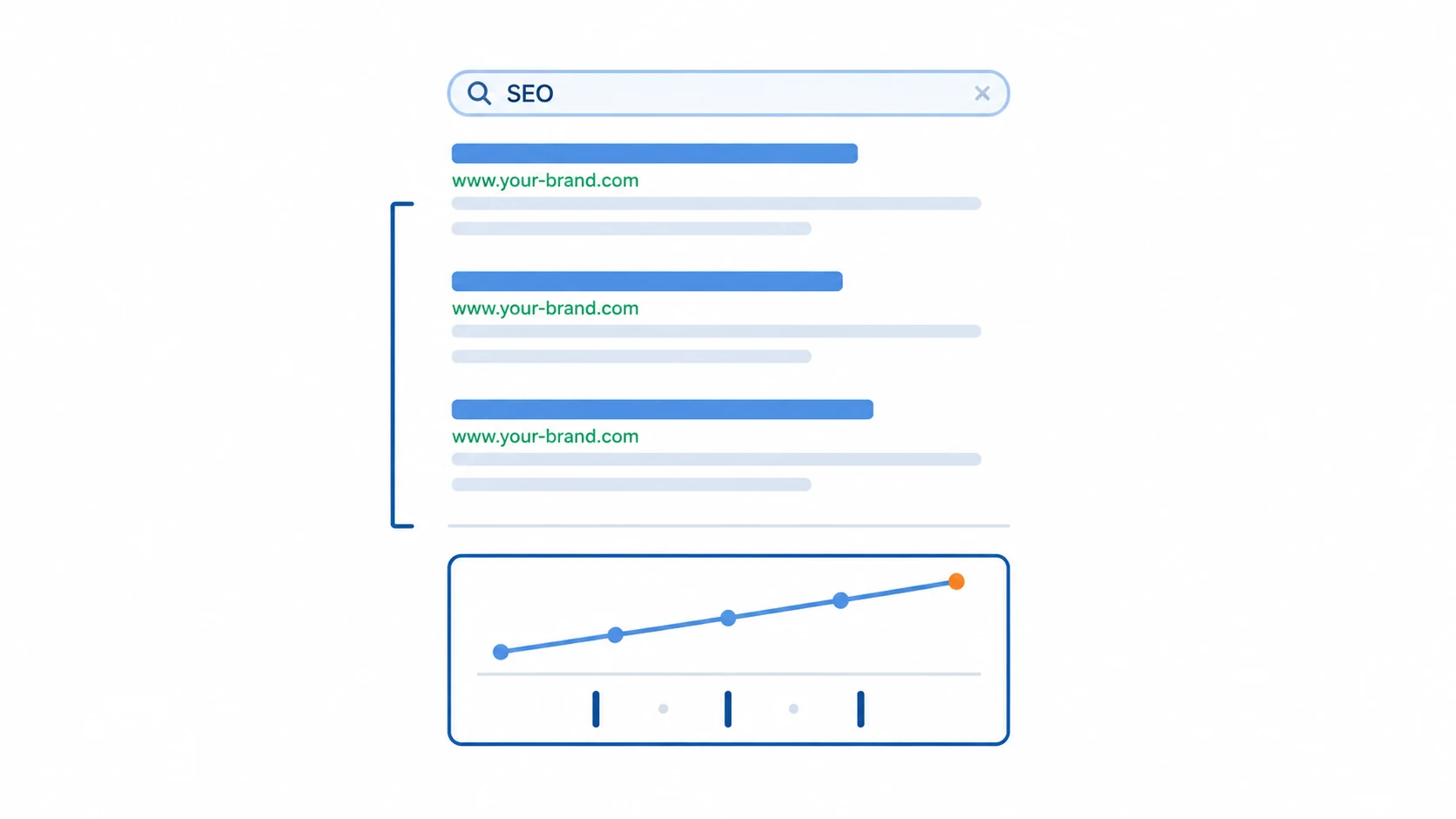
- After launch, submit the sitemap; Google may start indexing in 3–14 days (not guaranteed)
- Seeing keyword results: usually requires 3–6 months of continuous content and backlinks (not guaranteed)
Overall, a pure showcase site can launch within 2 weeks; one with multilingual and SEO basics commonly takes 3–6 weeks.
Don't believe claims like "on the first page in one month." Indexing does not equal ranking; anyone who guarantees you a first-page position should be skipped.
What happens after an inquiry comes in often affects conversion more than the website build itself—how to reply within a few hours, how to write the email, how to send the quote—these fall under Inquiries and conversion and deserve separate time. If you want to see specific processes and how to review data, you can also browse our Foreign trade independent website cases.
If you have a website quote in hand that you cannot understand, you can first do a free website requirement assessment, go through the list and delivery items, and then decide whether and how to spend the money.
That's all for today; another one next time.