An Independent Seller Website Isn't Just a Platform Shop: Unclear Boundaries Mean Backlinks and Money Benefit Others
If you are still treating your platform storefront pages as an independent seller website, you are essentially leaving customer data, repeat-purchase entry points, and organic rankings in someone else's hands. By first drawing clear boundaries between your independent site and platform stores, and then mastering backlink distribution, sellers can secure sales territories truly of their own. This article uses a causal chain to thoroughly explain boundaries, traffic ownership, and backlink publica
目录
- An Independent Seller Website and a Platform Store: More Than Just a URL Difference
- The First Price of Unclear Boundaries: Building Authority for the Platform
- Getting Backlink Building Wrong Means Your Independent Website Only Has Half a Life
- Self-Test: Are You a Seller with Independent Website Awareness Today?
- Do One Small Thing Next
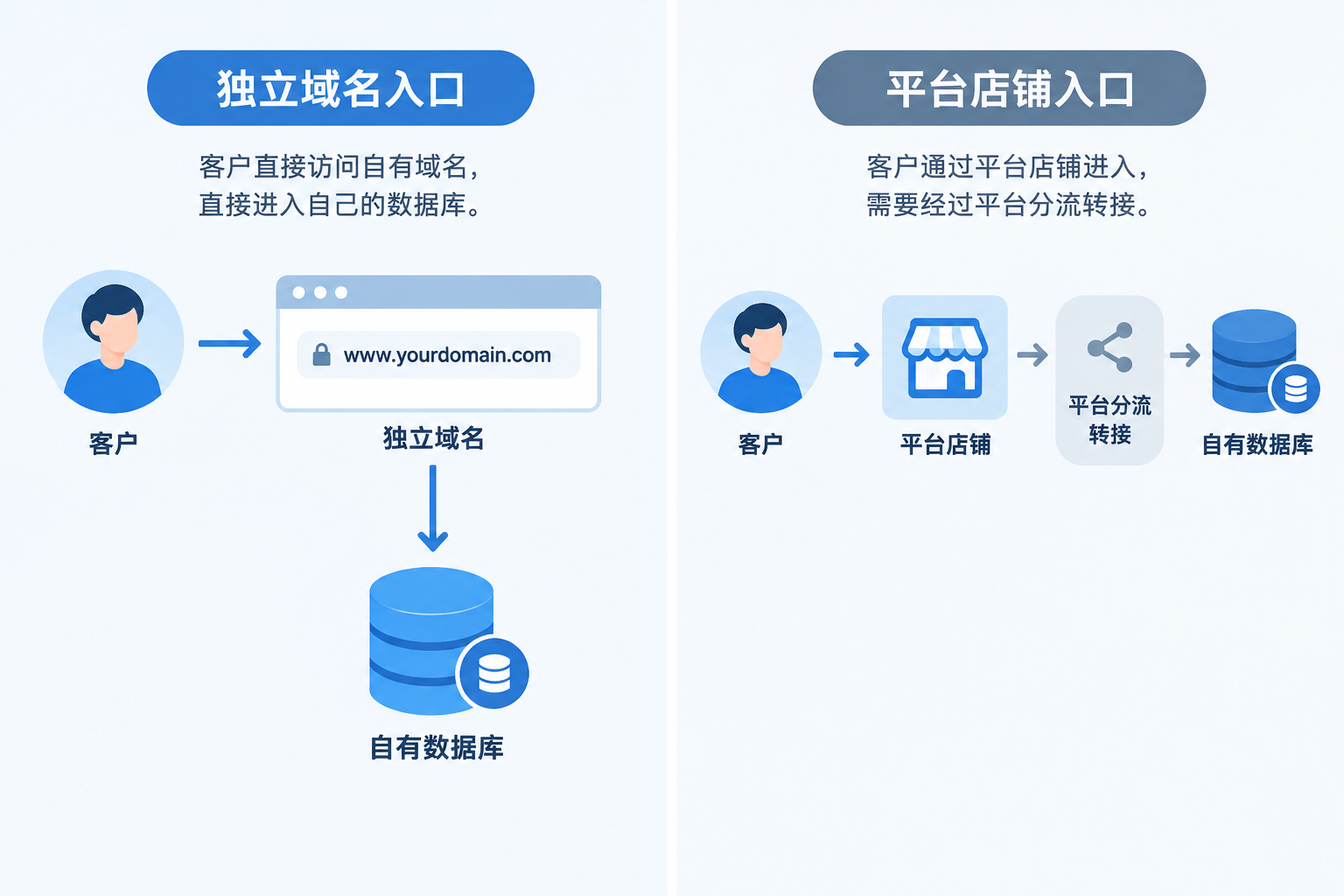
An independent seller website, in our web building business, means you own your independent domain name, website files, and customer data, with all sales and inquiries happening directly under your own web address. It is not the same thing as a platform storefront on Amazon, eBay, or Shopee, and you certainly cannot call a page generated inside a platform's backend an independent website.
Every year, I meet several sellers who already run two or three platform storefronts and ask me whether they still need an independent website. The issue isn't whether they need one; it's that they drew the wrong boundaries in the first place.
An Independent Seller Website and a Platform Store: More Than Just a URL Difference
First, the ownership logic is different. A platform storefront means you are renting the platform's traffic. Account rules, search weights, and customer data mostly stay within the platform's ecosystem. An independent website means you operate under your own domain name—you set the rules, and you own the data.
Second, the conversion path is different. Platform storefronts rely on onsite search and recommendations, while independent websites rely on organic search, ads, social media, and backlinks to drive in traffic. Sellers without an independent website are essentially working for the platform no matter how many backlinks they build.
Third, the risk of traffic cutoff is different. Once a platform storefront is restricted, frozen, or subject to rule changes, you have no fallback option. An independent website at least retains its own domain name and mailing list, allowing you to continue reaching customers through alternative means.
- Platform Storefront: Traffic is allocated by the platform, customers are hard to take away, and rules change constantly.
- Independent Seller Website: Domain and data are self-owned, but you must figure out your own traffic sources.
If this boundary isn't clearly drawn, sellers easily end up pouring all their budget into platform ads, only to realize two years later that they don't own a single thing.
The First Price of Unclear Boundaries: Building Authority for the Platform
The most typical situation I see is sellers desperately building backlinks and burning money on ads for their platform storefront links. The moment their rankings pick up slightly, returning customers still return via platform search instead of remembering your brand. Once the platform raises commissions or steals traffic, your profits get eaten away.
An independent website is precisely the reverse. As you accumulate more product pages, content pages, and brand search volume on your site, these gradually turn into self-owned assets in search engines. Regarding this aspect, I previously broke down and calculated who traffic and money truly belong to, which you can read here: Differences Between Foreign Trade Independent Websites and Platforms: 5 Dimensions to Calculate Who Owns Traffic and Money.
Therefore, having an independent seller website isn't a question of whether you should make one, but a question of whose hands you plan to leave next year's customer data in.
Getting Backlink Building Wrong Means Your Independent Website Only Has Half a Life
For sellers who have built independent websites, backlinks are the easiest step to derail next. Let me issue a warning first: backlinks are not a matter of 'the more aggressive, the better,' nor are they something you finish by bulk-purchasing a batch of paid links.
The first rule of backlink publishing is that distribution must be even and reasonable. A healthy backlink structure should have sources dispersed across industry directories, news outlets, niche blogs, social media profiles, and forum Q&As, rather than thousands crammed into the same low-quality web pages. Search engines are very sensitive to this pattern; a flood of spammy backlinks appearing simultaneously usually won't boost authority, but will instead easily trigger manual reviews.
The second rule is not to directly buy and sell backlinks, nor to bulk-post spammy links. Doing SEO, we’ve seen many sites pile up large amounts of low-quality links in a short time, only to watch their keywords drop rather than rise three months later. Truly stable backlinks are earned when your content is cited by others, recommended by industry media, and shared by real users.
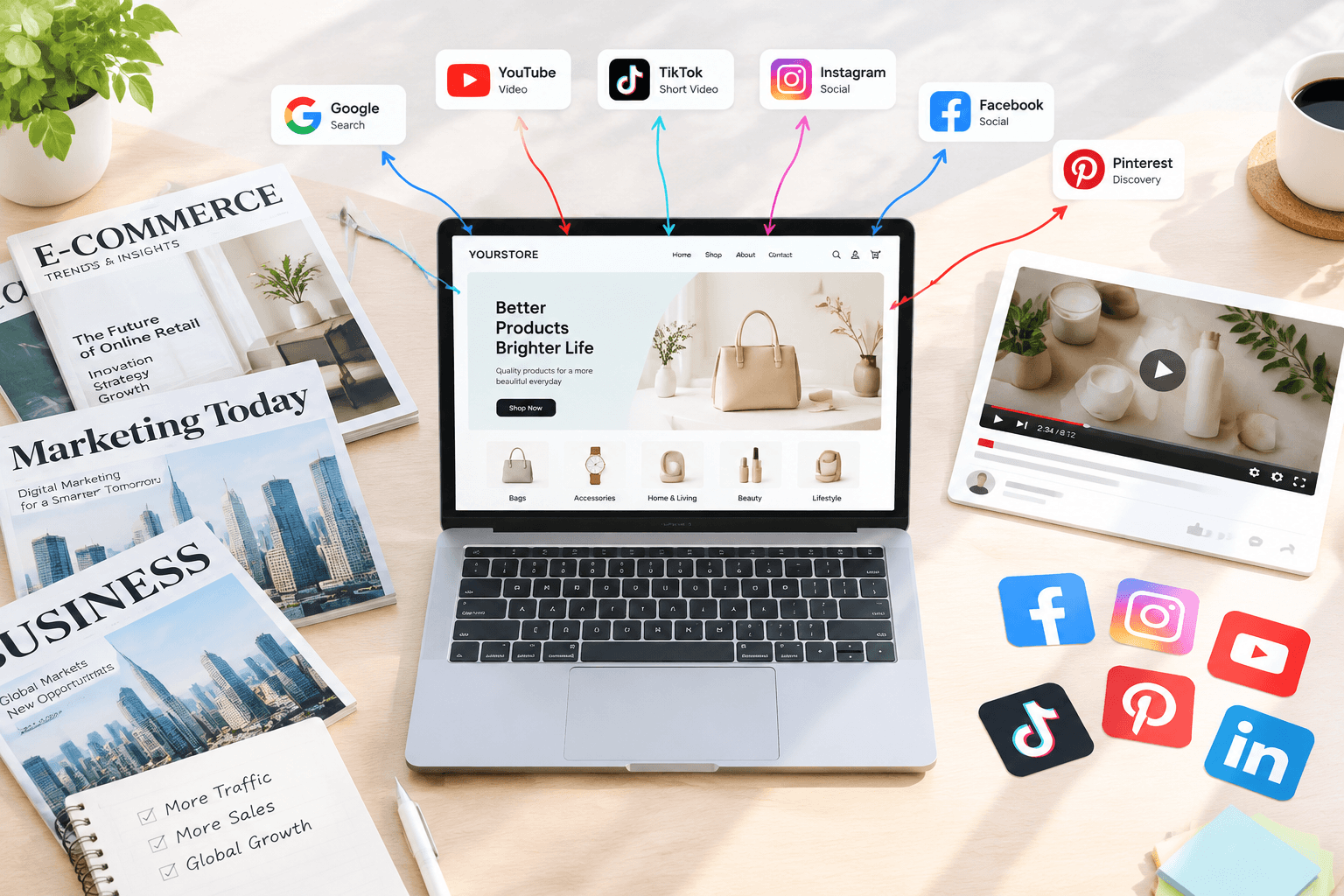
The third focal point is often overlooked: the appearance of your brand name in short videos is not a useless signal. You can do product teardowns, installation demos, or industry explainers on YouTube and TikTok, naturally exposing your brand term and domain in video titles, descriptions, and comments. This socialized, materialized approach helps search engines confirm your brand is genuinely being discussed and searched, indirectly lifting your website authority.
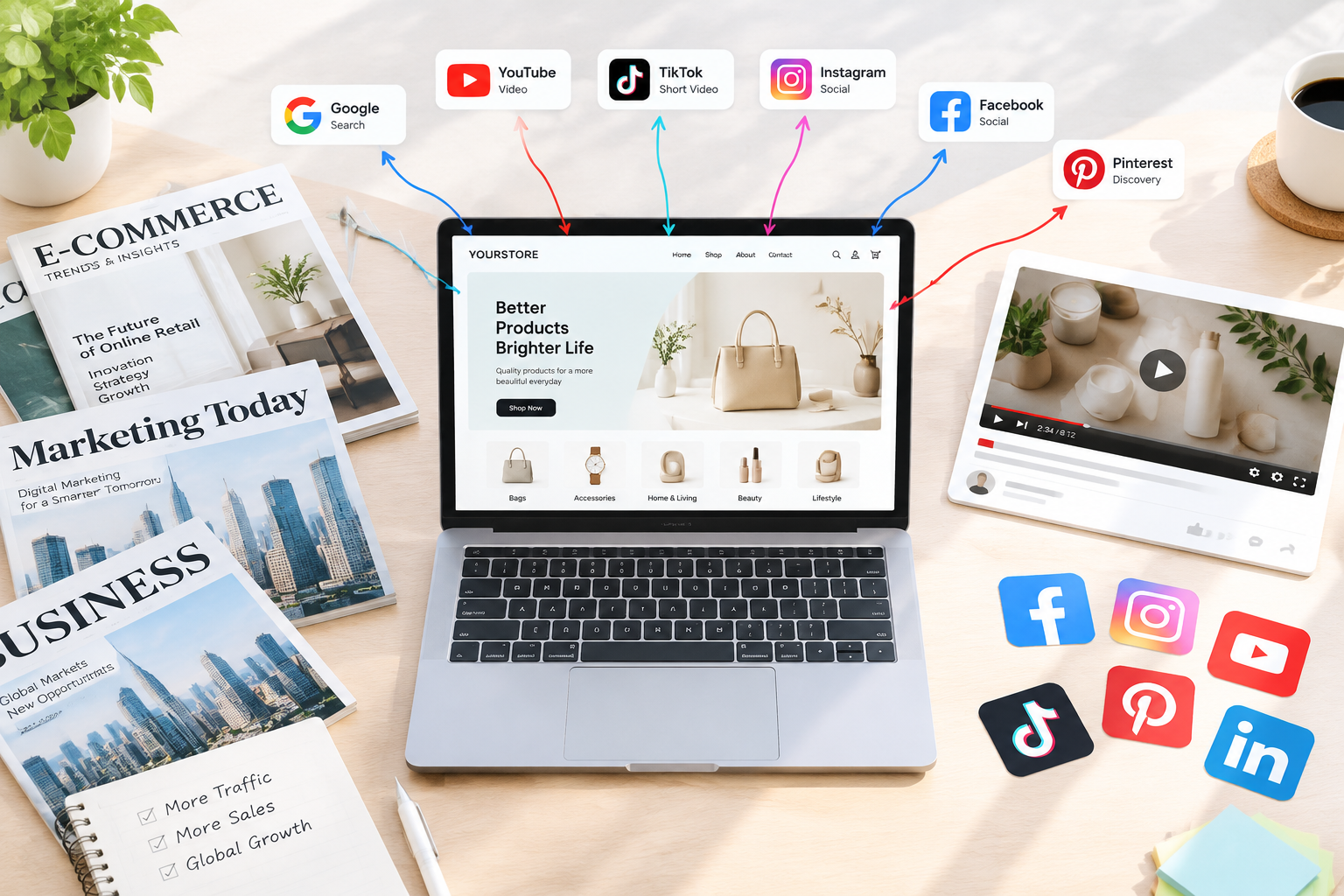
The proportions of different backlink sources should be staggered; you cannot rely on just one type long-term. Starting today, you can set up social media profiles, independent site blogs, and industry directories as your three types of entry points so your backlinks have somewhere to grow naturally.
Self-Test: Are You a Seller with Independent Website Awareness Today?
You can check yourself against the following items one by one—don't rely on gut feeling. Every single item can be verified directly by opening your backend.
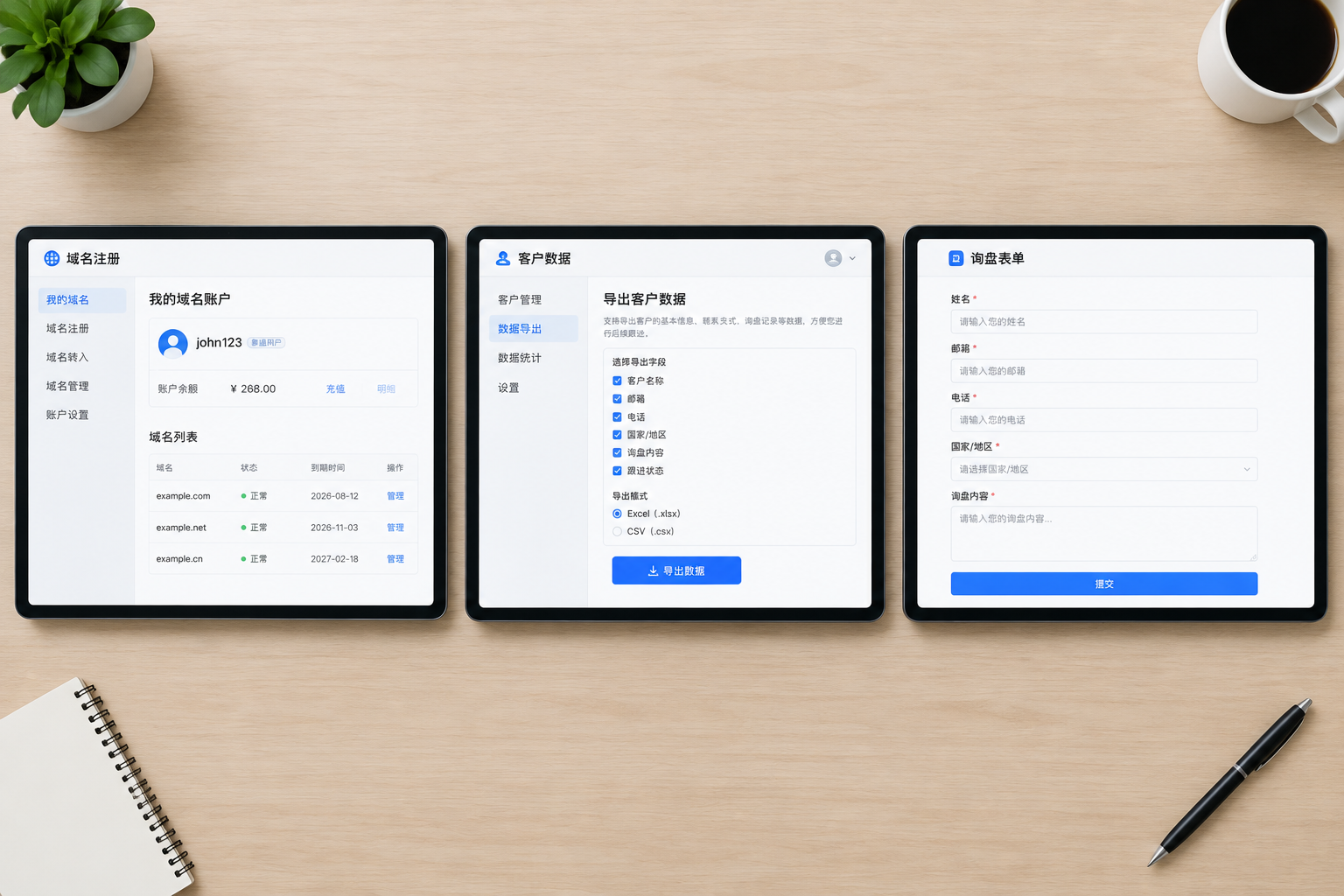
- Domain Ownership: Is the domain you use to log into your website backend registered under your own name in your own registrar account, rather than managed by an agency or hosted on a platform subfolder?
- Data Ownership: Can customer emails, inquiry records, and order information be exported directly without passing through platform approval?
- Backlink Distribution: When you check backlinks using webmaster tools, are the sources limited to just two or three categories, or largely coming from the same batch of low-quality directories?
- Brand Search: When searching for your brand term on Google, does your independent website appear on the first page, rather than just platform storefront links?
- Conversion Goals: Does the homepage of your independent website clearly guide visitors to submit inquiries, leave emails, or reach online customer service, instead of just displaying a contact phone number?
If more than two of these five items are unsatisfied, it means you are still operating your independent seller website with a platform mindset, and your future promotional budget is likely to be misspent.
Do One Small Thing Next
Spend 20 minutes today opening your backlink checking tool, export your existing backlinks grouped by domain source, and check the concentration. If you find that over half of your backlinks come from the same type of site, stop purchasing activities tomorrow and shift your energy toward the natural exposure of your brand keywords in short videos and social media. This step costs no money, but it can help steer your backlink structure back on track.