
Web Development Quotes from 7,500~12,000: 4 Factors That Determine Price and 4 Questions to Get an Accurate Estimate
Asking a web developer for a price only to get "it depends" is unhelpful. Standard display sites start at 8,500 RMB, multi-lingual B2C sites at 7,500 RMB, and e-commerce stores at 12,000 RMB. Price differences depend on site type, language versions, scale, and functional integrations. We provide 4 essential questions to get a clear quote and 3 steps you can take this week.
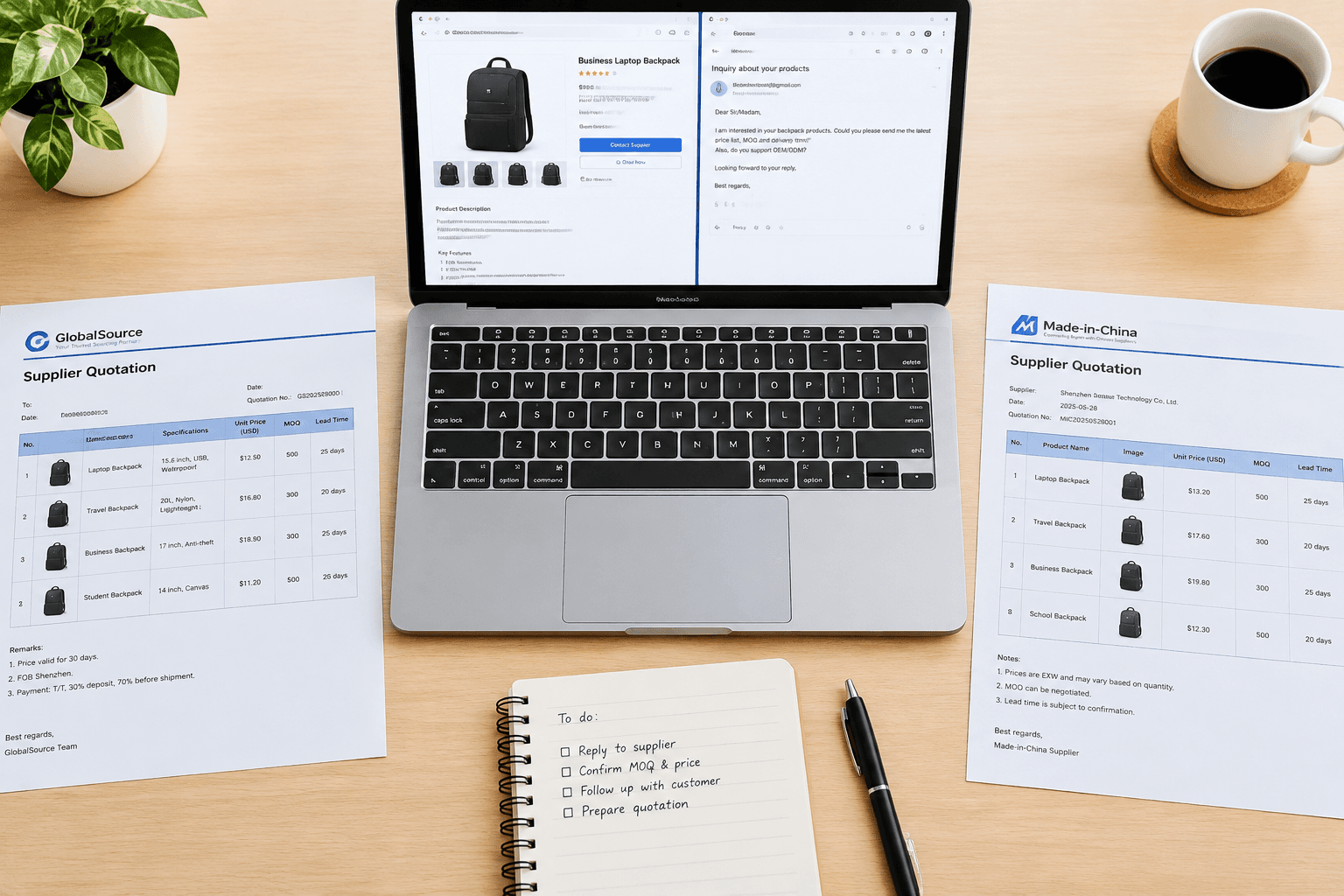
"How much does it cost to build an international trade website?"
This is often the very first question in website development consultations. The person asking usually has a vague number in mind, but isn't sure what that number should actually be.
The follow-up is almost always: "Why is the quote from another company so much lower than yours?"
These two questions are actually one and the same—what exactly is packed into a price quote? I will start with the price ranges, break down the differences, and finally provide a set of questions you can ask to get an accurate estimate.
The price range: 7,500 to 12,000 is a common starting point
For a display-oriented B2B international trade website, the starting price is 8,500 RMB. This is suitable for factories and trading companies with clear product lines and a focus on lead generation.
For a multi-lingual B2C international trade website designed to cover search needs across different countries, the starting price is 7,500 RMB.
For a cross-border e-commerce store shifting from platform shops to an independent site with online transaction capabilities, the starting price is 12,000 RMB.
For a CMS content site that relies on content to generate search traffic, the starting price is 8,000 RMB.
These four figures are public starting prices, not final quotes. The starting price means that is where the project begins; it does not necessarily mean that is what you will end up spending.
So, when you see two quotes with a large difference, don't rush to judge who is more expensive. You need to look at what is actually included in each quote.
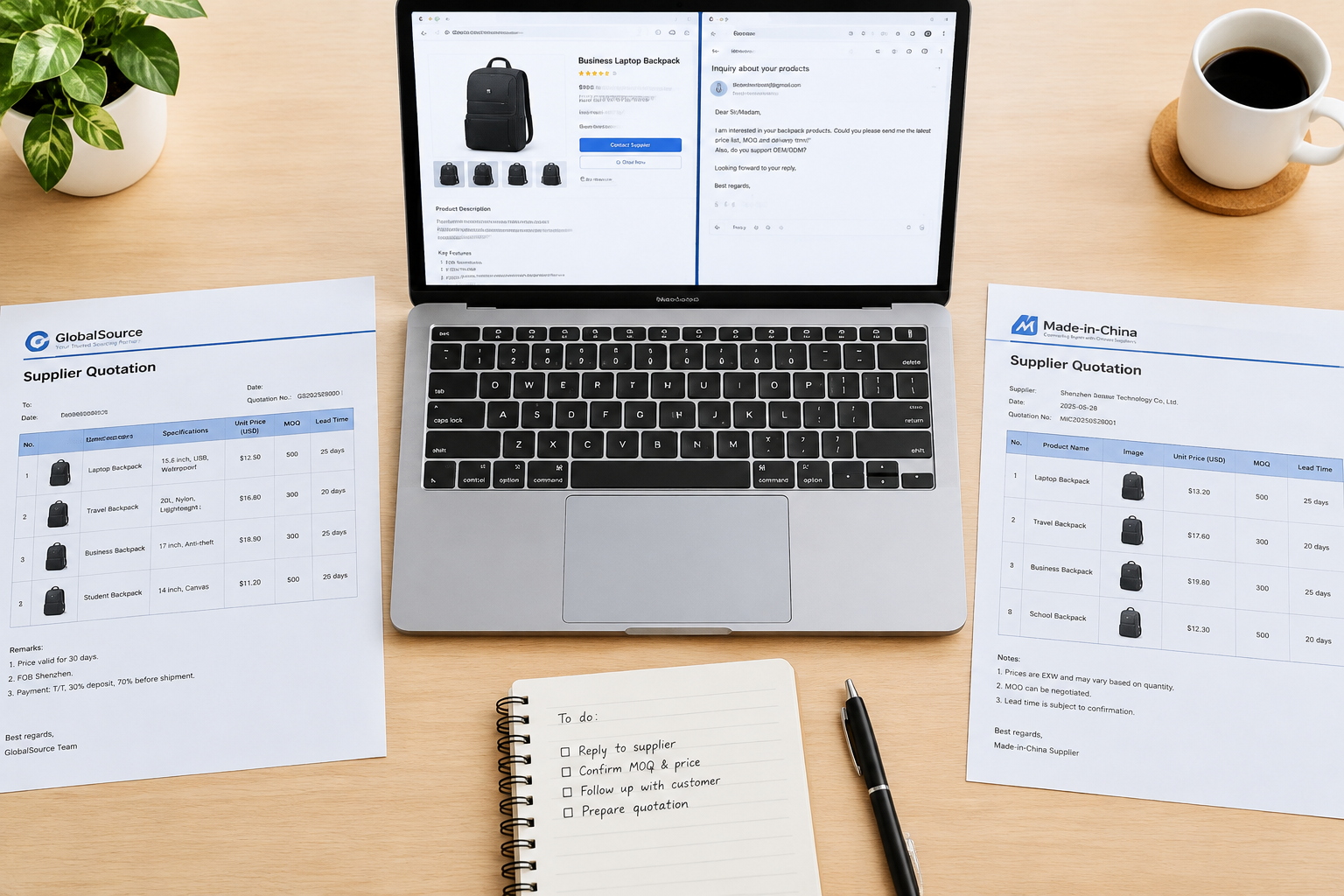
Price differences come from 4 places, not arbitrary markups
First is the site type. A display website and an e-commerce store with online transactions are two entirely different amounts of work.
A store needs to integrate cross-border payment gateways, handle order workflows, and support logistics tracking; these aren't tasks covered by simply adding a few extra pages.
Second is the number of language versions. Making an English site versus one in English, Spanish, Arabic, and Russian involves a multi-fold increase in the number of pages.
Even more complex is the cross-linking between languages (hreflang). If not configured correctly, search engines will fail to show the right version to customers in the target country.
Third is the scale of pages and sections. Whether you have 30 products or 300, or 5 sections versus 15, the man-hours required for content population differ significantly.
Fourth is functional touchpoints. Cross-border payments, logistics tracking, multi-currency support, and internal system integration all represent distinct development efforts.
One easily overlooked factor: the delivery boundary. What is delivered is the deployable program files, not readable source code. The site belongs to the client, and all backend management accounts and business data belong to the client as well, with the ability to export data fully at any time.
You can provide your own domain and server, or have the provider purchase and configure them for you. Clarify who pays for these two items.
Whether you can edit the site yourself after it goes live also affects long-term costs. A good backend should allow you to visually edit articles, products, pages, and SEO information without needing a technical background.
Beyond the price: Always ask about lead time and annual fees
For standard website types, it takes 7–15 working days to go live.
For sites with multi-language and e-commerce modules, it takes 15–25 working days.
It is impossible for a 7-day job and a 25-day job to have similar quotes. If a company quotes an extremely low price and an extremely short lead time, it is worth asking who is actually doing the work.
Additionally, ask if there are any follow-up fees. The public price for annual maintenance and hosting is 3,000 RMB per year, which is suitable for companies that don't want to monitor servers themselves or hire a dedicated IT person.
For those who want to build consistent organic traffic but don't have an internal content team, annual SEO management is assessed based on needs and has no fixed price. For such needs-based assessments, you should make the provider clearly state their criteria for evaluation.

How to get an accurate number: Just ask these 4 questions
Question 1: How many pages and sections are included in this price? How is the cost calculated for any excess?
If they give a vague answer like "it's usually enough," you will likely be charged more later.
Question 2: How many language versions will be created? How is the cross-linking between languages handled?
Multi-language sites are not just about translating content once. This question will tell you if they have actual experience.
Question 3: Are integrations like cross-border payments, logistics tracking, and multi-currency support included in the quote or billed separately?
Question 4: Is the deliverable program files or source code? Who owns the backend accounts, domain usage rights, and order/inquiry data? Can the data be exported completely?
Once you go through these four questions, a quote can't really hide anything. For more detailed questions, see 5 Differences and 7 Must-Ask Questions for International Trade Web Development Quotes.
If you haven't decided on the route yet—DIY, SaaS, or custom development—go to the Web Development Methods and Platforms section to settle on the approach before talking about prices. Doing it in reverse will waste a lot of time.
If you want to compare service scopes directly, the International Trade Independent Site Construction Service List details what is included in each tier.
Three things you can do this week
First: Write down your requirements on paper. How many languages, roughly how many pages, and whether you need online ordering. With this document, you will know exactly why a quote is high or low.
Second: Use the four questions above to ask 2–3 providers and compare who gives more specific answers. The granularity of the response is a better indicator of quality than the price itself.
Third: Ask for a detailed itemized quote from your preferred choice to see where every cent is being spent. Specific quotes need to be assessed based on needs, and a detailed breakdown can be provided within 1 working day; this step costs nothing.