
What Russian Independent Website Platforms Exist: Choose Open-Source for B2B Inquiries, Consider SaaS for Fast-Moving Retail
Many foreign trade professionals confuse Russian cross-border e-commerce marketplaces with independent platforms—marketplaces are Wildberries and Ozon, while an independent site is one where you control the domain and data. I break down Russian website builders into three categories: B2B inquiry sites suit open-source or local CMS like WordPress or 1C-Bitrix, while B2C retail sites suit local SaaS like Tilda or InSales. The key is passing Yandex indexing and local payment hurdles before discussi
目录
- The choice of Russian independent website platforms falls into two scenarios: B2B inquiries and B2C retail
- Dividing Russian website building platforms into three piles and matching them to applicable scenarios
- Pile One: Local Russian CMS and SaaS
- Pile Two: International SaaS
- Pile Three: Open-Source Self-Hosted Systems
- Yandex indexing and local payments affect results more than the platform itself
- My platform selection sequence: Define the business format first, then choose the platform
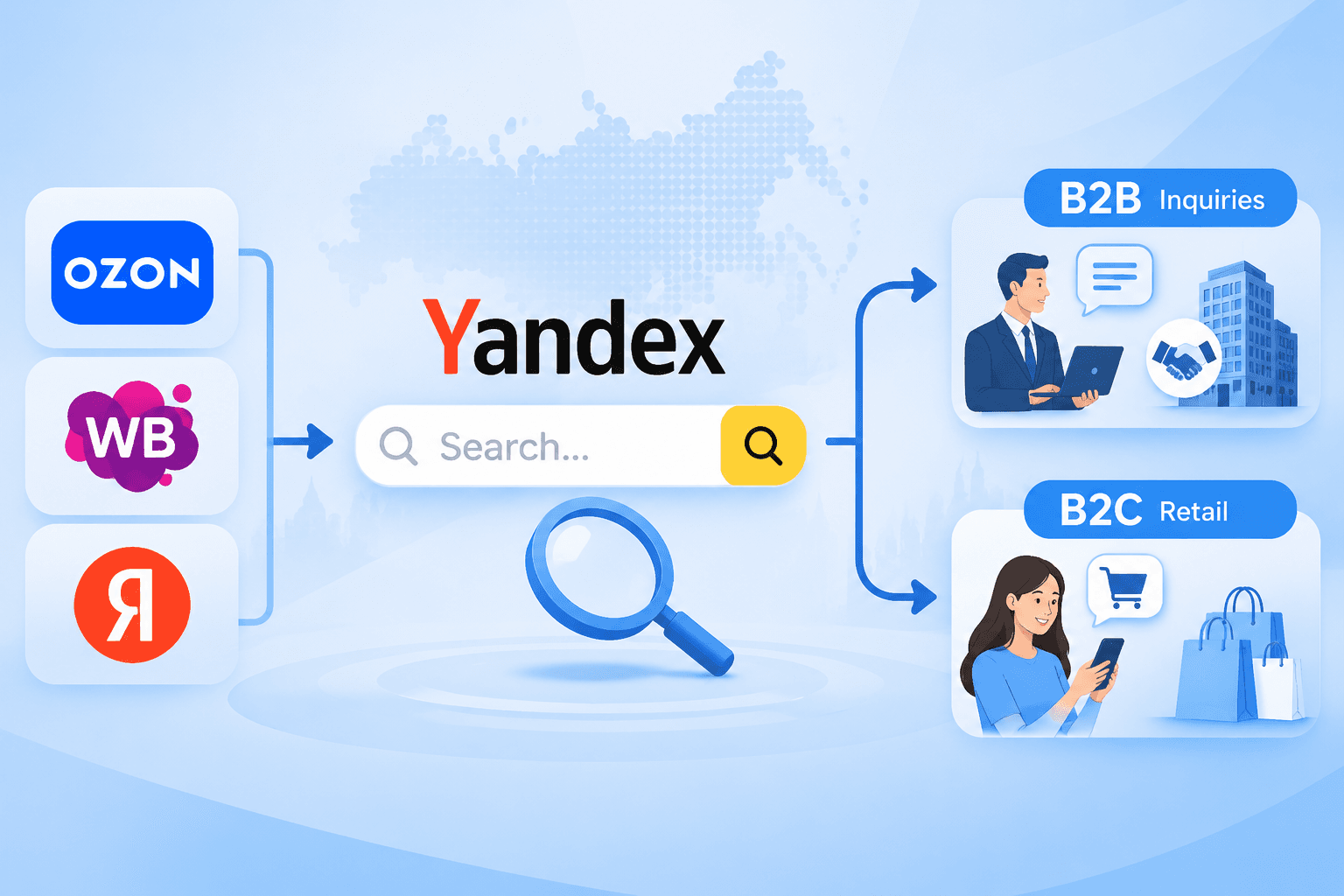
Over our years in cross-border foreign trade, the most commonly confused pair of concepts has been "Russian cross-border e-commerce platforms" and "Russian independent e-commerce platforms." The former refers to marketplaces like Wildberries, Ozon, and Yandex Market, where you set up a shop, but the platform holds all the traffic and rules. The latter refers to the system you use to build your own website, where the domain name, data, and customer leads entirely belong to you. When you ask what Russian independent website platforms exist, you are actually asking the second question—don't confuse this with marketplace platforms first.
First, let's take a multiple-choice question: If 80% of your Russian business involves customers initiating inquiries, requesting custom parameters, or asking for quotations, which type of website building system should you prioritize?
A. SaaS with beautiful templates and fast store setup
B. A website building system with deep control over TDK, modifiable structured data, and friendliness toward Yandex indexing
If you choose A, your site will basically have to rely on running ads after launch; if you choose B, you have a chance to get free traffic from Yandex search. This choice basically determines how far you can go later.
The choice of Russian independent website platforms falls into two scenarios: B2B inquiries and B2C retail
There is no universal optimal solution for the Russian market. I'll break it down using our team's selection logic: first see whether you are doing inquiries or retail, and then see which channel you plan to get traffic from.
For B2B inquiry sites (machinery, chemicals, metals, industrial parts), what you need is deep Yandex SEO, customized product parameter pages, and multi-language support. Under such demands, open-source self-hosting (WordPress/WooCommerce) or local Russian CMS (1C-Bitrix, DIAFAN, HostCMS) are more suitable. The reason is simple: Yandex has its own preferences for how page structure, TDK, and structured data are recognized, and the SEO control space left for you by SaaS is often insufficient.
For B2C retail sites (fast-moving consumer goods, apparel, small items), what you need is rapid launch, template-based product management, and quick checkout. Under such demands, local Russian SaaS like Tilda, InSales, and Shop-Script are more suitable. Don't invest heavily in customization right at the beginning; validate your products and traffic first.
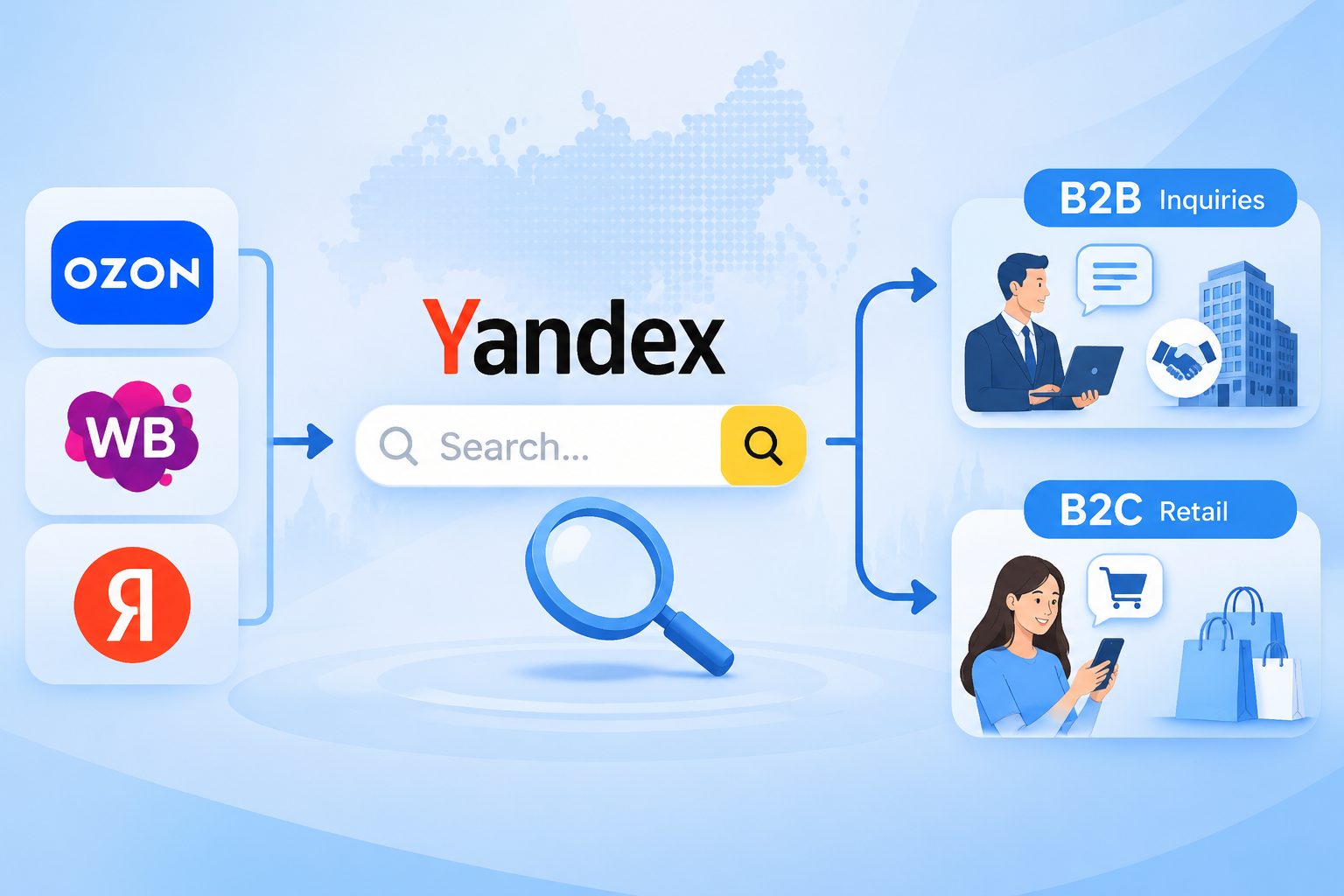
Dividing Russian website building platforms into three piles and matching them to applicable scenarios
Available website building platforms in Russia generally fall into three categories: local systems, international SaaS, and open-source self-hosting. Each category has clear applicable scenarios and obvious unsuitable ones. Real independent website platform selection means fitting your own business into these three categories.
Pile One: Local Russian CMS and SaaS
- 1C-Bitrix: The de facto standard system for Russian enterprise websites, with integration into 1C accounting/ERP as its core strength. Suitable for companies with local Russian teams that need to connect to 1C systems. The downside is that learning and maintenance costs are not low; small teams should use it with caution.
- Tilda: A traffic heavyweight among local Russian website builders, great for landing pages and brand showcase sites. But trying to use it as a full inquiry site—adding a product database, multi-languages, and data monitoring later—takes a lot of effort. I suggest using it as a page tool, not a site system.
- InSales / Shop-Script: Local Russian SaaS mall platforms with relatively localized payment and logistics interfaces, suitable for pure Russian-language fast-moving consumer retail markets. Doing multi-language sites or deep SEO will hit obvious boundaries.
Pile Two: International SaaS
Shopify's support in Russia has always been unstable; payment accounts, logistics interfaces, and local compliance are all issues. In the Russian projects I've encountered, those that directly used Shopify for the local market all got stuck later on payment and logistics integration. Wix and Squarespace lean more toward showcases; for inquiry sites, they are not as flexible as open-source systems.
Pile Three: Open-Source Self-Hosted Systems
WordPress + WooCommerce remains a viable route in the Russian market. The ecosystem is complete, SEO is controllable, and all data is in your own hands. The downside is that no one provides a safety net; you maintain security updates and plugin compatibility yourself. When we use WordPress to build Russian inquiry sites, we list Yandex crawling, structured data, and multi-language support in the project scope from the very beginning, rather than patching them up after launch.
Yandex indexing and local payments affect results more than the platform itself
No matter how good the platform selection is, if Yandex doesn't index it, the site is built in vain. This is the point I emphasize most when doing Russian projects. The crawling, indexing, and ranking mechanisms of Yandex and Google are not entirely the same, and you cannot directly apply Google-style experience here. Indexing optimization especially cannot be skipped in this market.
When building Russian sites, we do the following from day one:
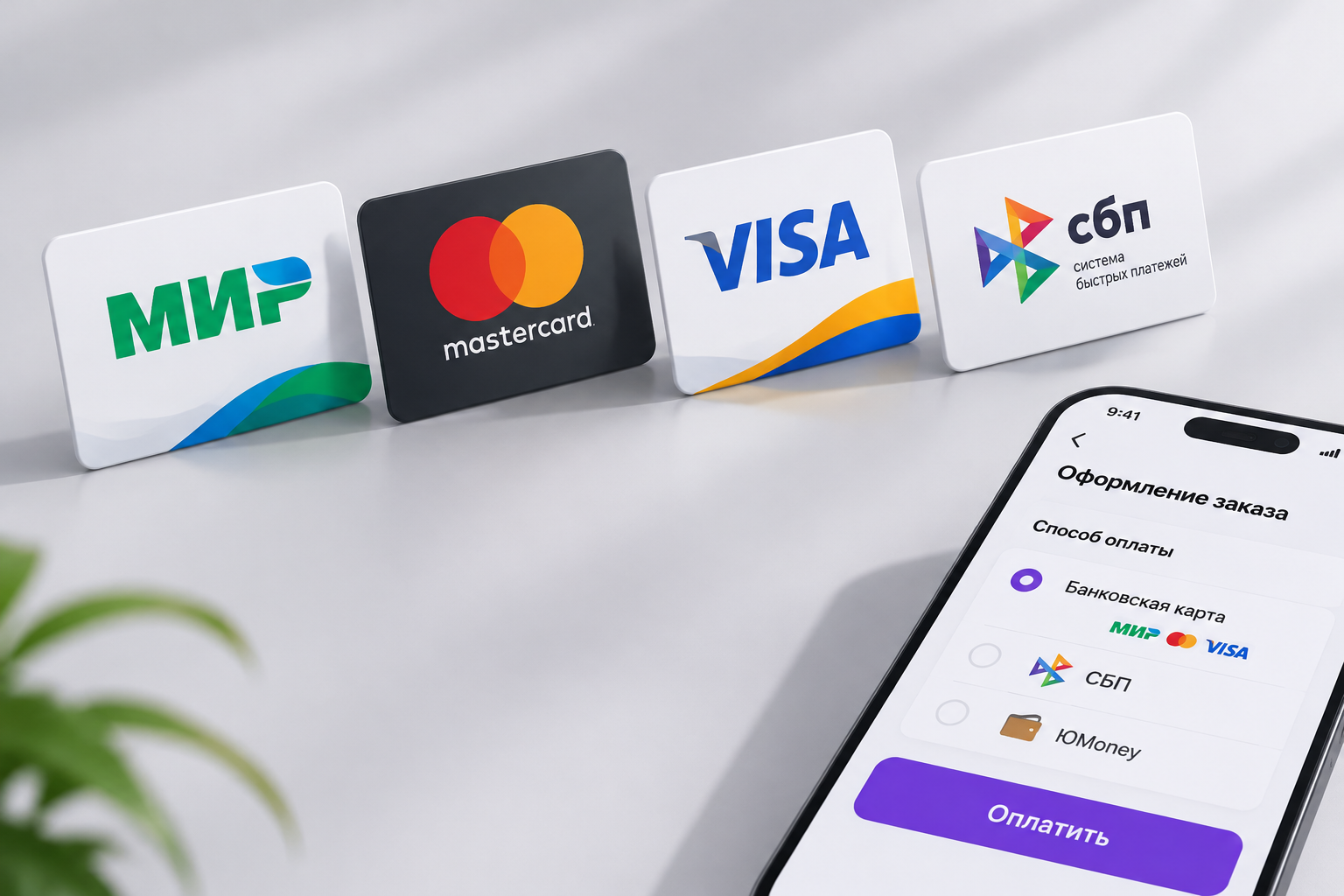
- Verify site ownership in Yandex.Webmaster. Without this step, all subsequent indexing judgments are out of the question.
- Submit sitemaps and perform active pushes. Yandex's crawl frequency for most small sites isn't high, and active pushing can significantly shorten the indexing cycle.
- Check whether page structured data can be recognized by Yandex. Yandex's support for JSON-LD is not as complete as Google's, and microformats sometimes need to be added.
- Review index coverage and crawl errors weekly. Troubleshoot missing indices promptly rather than waiting for rankings to plummet before trying to save them.
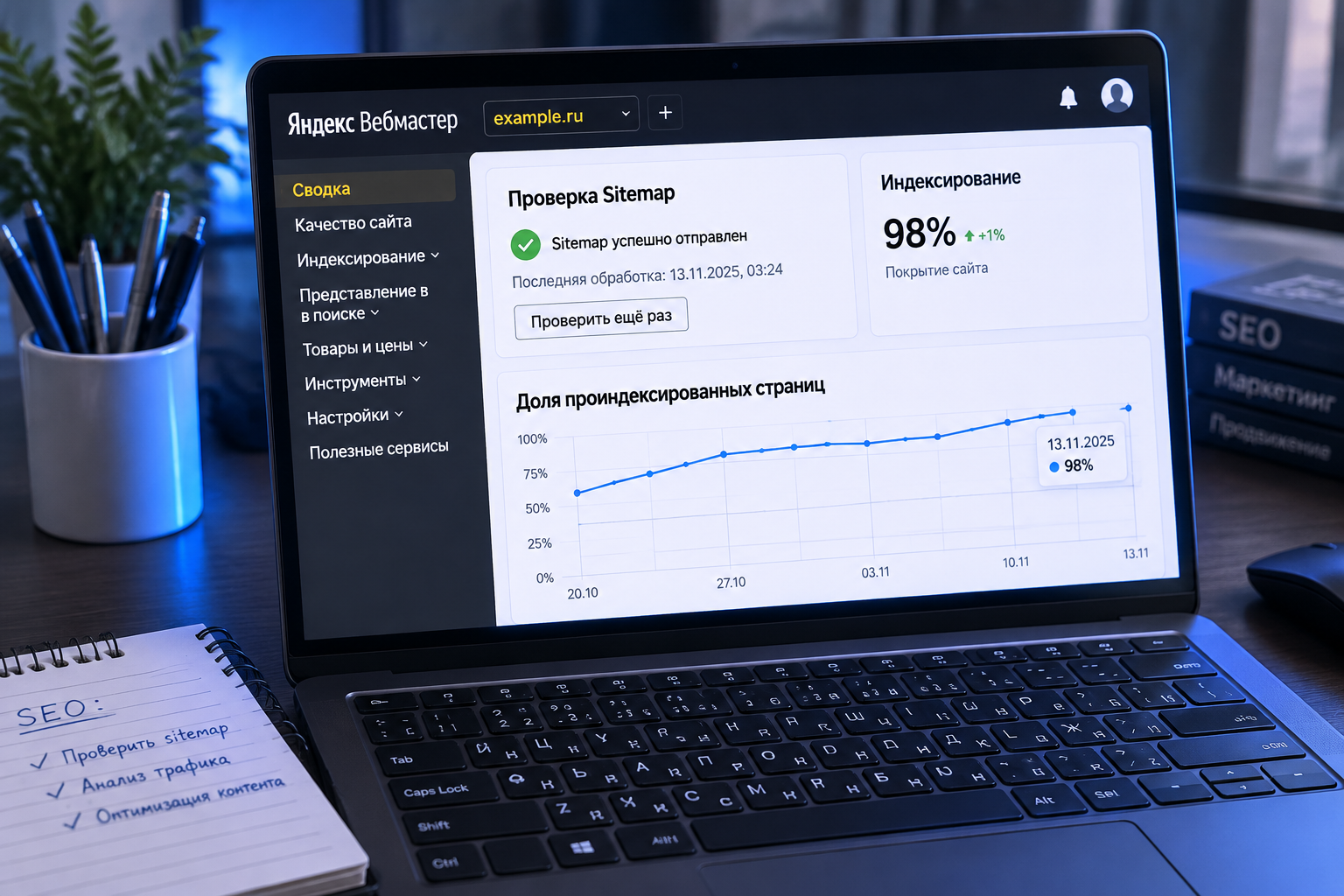
Another pitfall is local payments. The mainstream payment methods in Russia are not PayPal, but Mir cards, YooMoney, QIWI, and SberPay. For B2C retail sites, failing to connect payment integration to local channels will make conversion rates look terrible, which impacts results far more than the website building platform itself.
Yet another easily overlooked aspect is server location. Russia has requirements for user data localization; if the server is too far from Russia, Yandex crawl latency will also increase. I am not giving legal advice here, but before launching a project, server location and compliance must be evaluated together.
My platform selection sequence: Define the business format first, then choose the platform
Determine the business format first, choose the platform second, and talk about design last. This sequence cannot be reversed. Long sentence to clarify the relationship: if you are a B2B inquiry site but choose a pure retail template SaaS, the cost of modifying the structure and SEO later will double; short sentence to wrap up: figure out what kind of customers you want first.
- For B2B inquiries: Prioritize WordPress or 1C-Bitrix; SEO and data ownership are core, while the platform is just a tool.
- For B2C retail: Prioritize InSales, Tilda, or Shop-Script; control the launch pace and validate operations first.
- For the Russian-language market only: Optimization must follow Yandex rules; if targeting Central Asia or Eastern Europe as well, multi-language architecture must be designed in advance.
The Russian market has a very specific timeline: the Russian-language peak season starts from the September back-to-school season, goes through the November shopping festivals, and continues right into the New Year. If your B2C independent site wants to catch the peak season, launch no later than mid-August to leave debugging time for Yandex indexing and payment interfaces. If your B2B independent site wants to capture inquiries for the first quarter of next year, the site must be launched and enter the indexing cycle before the end of September this year.
Confirm your business format first, then talk about platforms, to avoid realizing the direction is wrong only after choosing the system. If you need further breakdown of website building methods and platforms, you can send me your business format first.