
Anhui SEO Applicable Scenarios: Foreign Trade Sites Should Distinguish Google Indexing from Local Rankings Before Deciding to Invest
Doing foreign trade in Anhui, you often mistake Anhui SEO for optimizing local Chinese terms, which easily steers your efforts off course. This article clarifies the true applicable scenarios of Anhui SEO: only with an independent website targeting overseas buyers is it worth spending energy on Google inclusion and indexing. I will use a glossary to break down crawling, inclusion, indexing, Sitemaps, robots, and active pushing, followed by a checklist you can follow after launching a new site. A
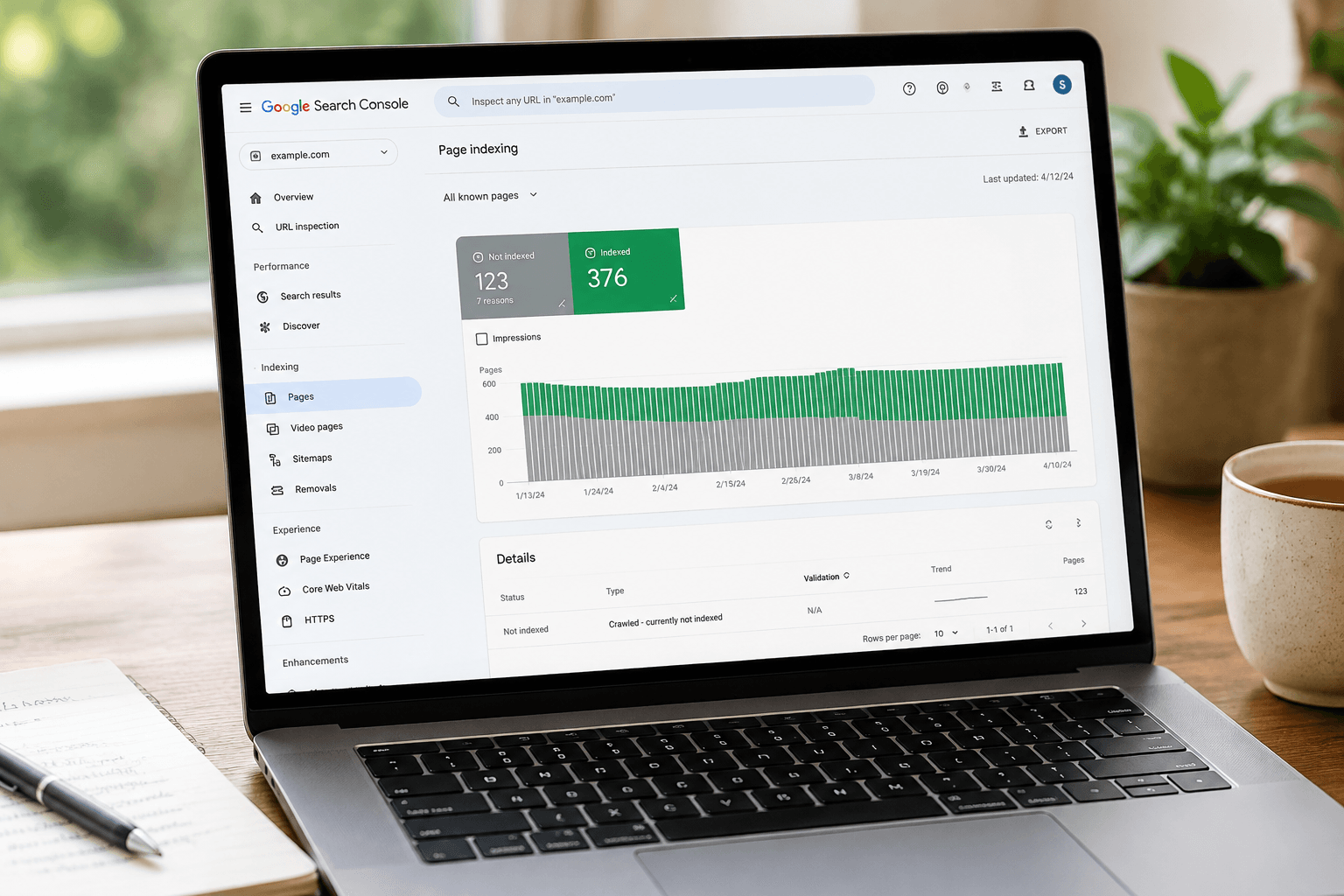
I've talked about SEO with many foreign trade factories in Wuhu and Hefei, and I found that you habitually understand "Anhui SEO" as using Chinese terms like "Anhui + product" for optimization. This is not your fault; the term itself is easily misleading. In fact, what foreign trade websites need from Anhui SEO is not for locals in Anhui to find you, but for overseas buyers to find your products on Google while incorporating real information such as places of origin, factories, and certifications into your pages. If these two concepts are mixed up, your subsequent keyword selection, content writing, and link building will go off track. The most typical symptom after launching a new site is that the pages constantly fail to appear in Google's index.
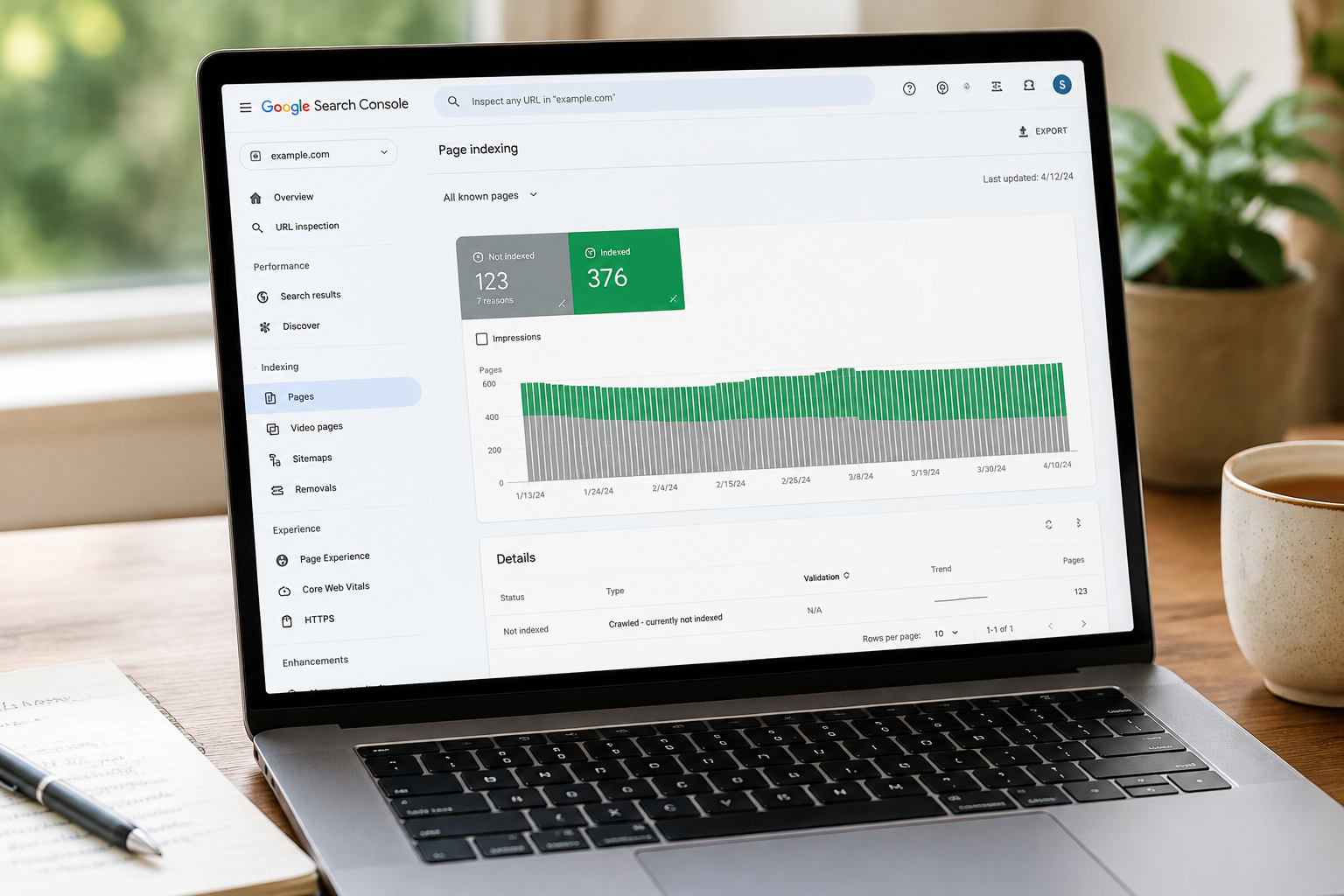
Several sites we handle in Anhui for auto parts, packaging materials, and LED lighting have all encountered the exact same situation: two weeks after launch, `site:domain` couldn't find the product pages. The Googlebot clearly came to crawl in the logs, but they just weren't indexed. Later, after ruling out technical issues, many problems turned out to be in the crawling stage and incorrect Sitemap submissions. Therefore, the first step is not to study rankings, but to get crawling and indexing right. Below, I will clarify the most critical terms once and for all using a glossary approach.
1. First, separate the four terms: Crawling, Inclusion, Indexing, and Ranking
Conclusion: The biggest pitfall for new websites of Anhui enterprises is not that rankings fail to go up, but that Google hasn't put your pages into the index at all.
- Crawling: Google sends out programs to read your pages. They must be accessible and renderable, and CSS/JS/images must not be blocked by robots, otherwise it's equivalent to self-harm.
- Inclusion (Discovery): After a page is crawled, it enters Google's candidate pool. Inclusion does not mean having a ranking; it only means being seen and evaluated.
- Indexing: After passing evaluation, the page enters the official retrievable database. Only after entering the index can it possibly appear in search results.
- Ranking: The position of the page in the results when a user searches. Ranking is the final step, jointly determined by content, backlinks, page experience, and more.
There is also a frequently asked question: submitting a Sitemap does not mean being indexed, and being indexed does not mean having rankings. These are three completely different milestones—don't confuse them.
A quick reminder: Don't treat "submitting a sitemap" as proof of indexing, nor "being indexed" as a promise of ranking. Seeing a successful Sitemap status only means Google received it, not that it will be indexed.
2. When is Anhui SEO worth investing in, and when should you avoid it for now
Conclusion: Only for independent websites engaged in foreign trade with their own domain names and data is Anhui SEO worth spending time optimizing; if you are running a purely domestic business or still operating within a marketplace platform, don't rush into SEO yet.
Let's look at applicable scenarios first. Your products have a clear overseas market, and buyers are accustomed to searching with English or foreign-language terms on Google rather than searching in Chinese on Baidu. Your site uses your own domain name, and you own the data and content—allowing you to edit robots, submit sitemaps, and implement structured data. Doing SEO for such a site builds a solid foundation, giving new pages a chance to be steadily crawled by Google.
Now let's look at inapplicable scenarios. If you only do local business in Anhui, or don't even have an independent website and only opened a platform store, then the direction of "Anhui SEO" is meaningless to you. The traffic logic inside platform marketplaces is completely different from Google search, you cannot control crawling and indexing, and Google will not evaluate platform store pages as your own independent site. For details on how to determine whether you should launch an independent website, I discussed this previously in the Foreign Trade SEO & Promotion column. Confirm your site format before moving forward.
3. After launching a new site, build up your indexing in this order
Conclusion: For new pages to enter Google's index, submitting them once is not enough. You must first get the technical entry points right, and then drive crawling frequency through content and backlinks.
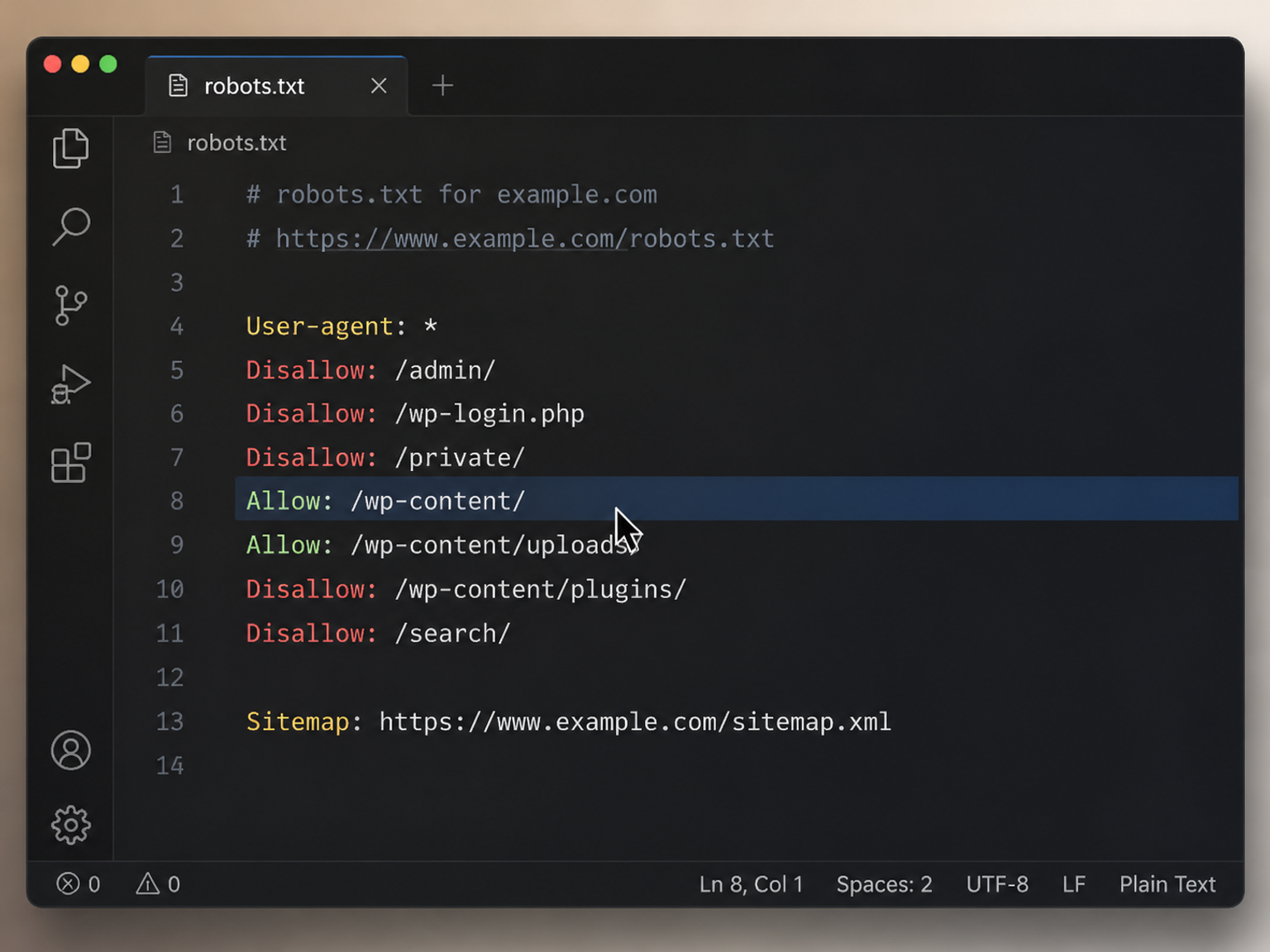
- First, check robots.txt and make sure not to block CSS, JS, and images. Google needs to render pages to judge content, and blocking it is equivalent to self-harm. We've encountered cases where `Disallow /wp-content/` was mistakenly written in robots, resulting in product pages never being indexed. Within a week of opening it up, they started entering the index.
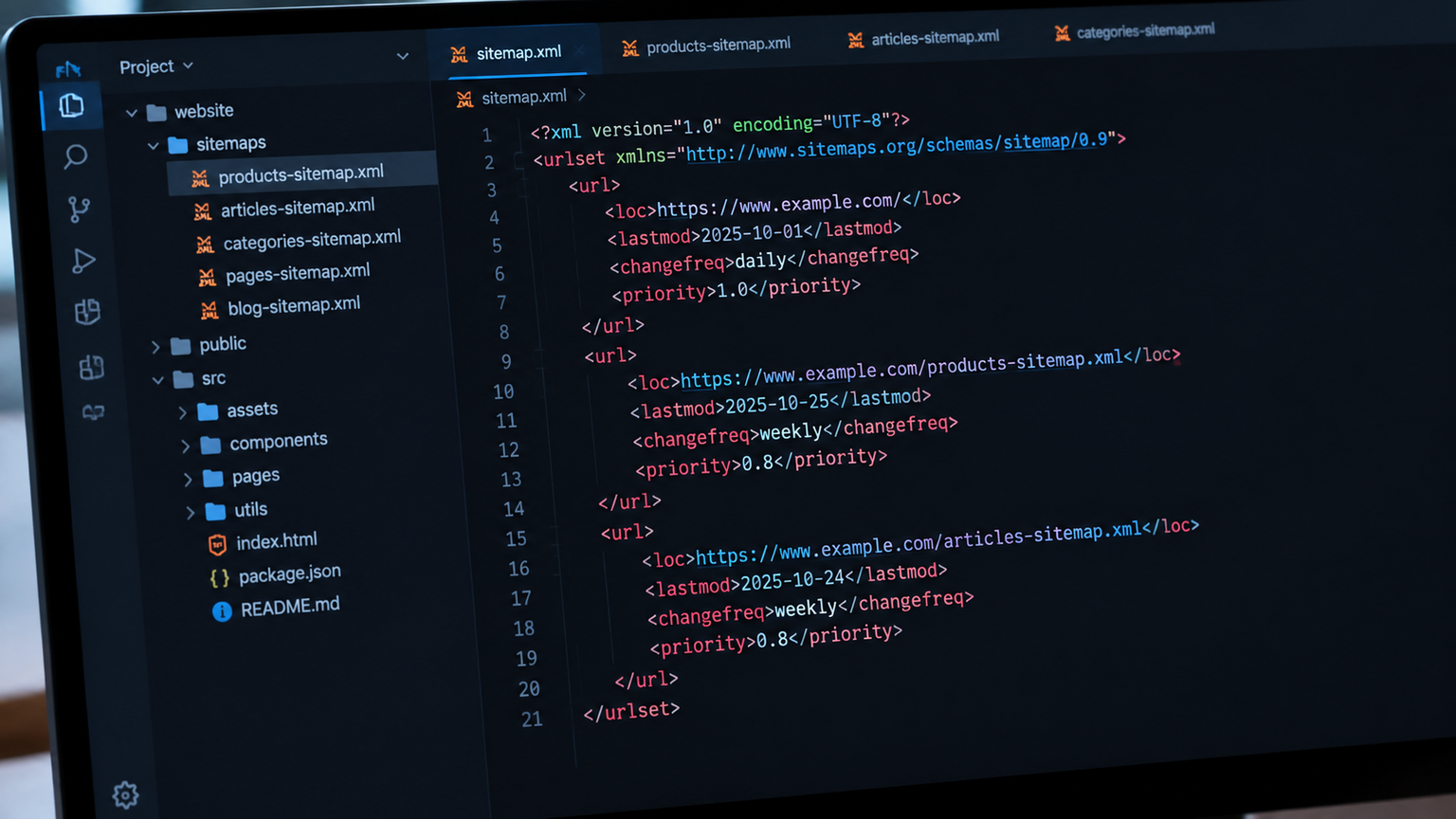
- Next, generate a Sitemap and submit it in segments. If your product pages, article pages, and multilingual pages total more than a few hundred, don't pile them into a single file. Split them into multiple sitemaps by category or language, and reference each other in a root sitemap. After submitting, don't manually ping repeatedly, as it wastes active pushing quotas.
- Then, prioritize actively pushing new pages and newly modified pages. You can use IndexNow or Baidu active submission, but quotas are limited, so don't push old pages along with them. Whenever we publish new content or make major revisions, we usually only push that batch of URLs, which is far more effective than aimless submissions.
- Finally, confirm that the page itself can be understood. Add structured data to product pages, marking product names, price ranges, ratings, and stock status so Google knows what entity it is right upon crawling.
After completing this step, what you need to do is observe and record, not rush rankings. Use `site:domain` to check whether new pages appear after 5 to 7 days, and locate URLs that haven't entered the index yet based on Search Console's index coverage report. Once pages start getting indexed, the next stage is backlink building; it's wise to wait until crawling and indexing are stable before taking action.
Next, you can supplement two areas first: start using Google Search Console's URL inspection tool to see whether specific pages are stuck at crawling or indexing; then group keywords by product line and target country, targeting content first toward terms that buyers actually search for. Once these basics are running smoothly, you can look back at the backlink and content sections in our Foreign Trade SEO & Promotion column.