
Judge Indonesian independent site payments by these 3 criteria first—don't just rush to integrate payment channels
When setting up payments for an Indonesian independent site, don't rush to find payment channels; first distinguish whether your site is inquiry-based or online checkout-based. Inquiry sites can succeed relying on bank info, PIs, and offline confirmations; retail sites need to put local wallets, bank transfers, and QRIS at the front of the checkout page and confirm settlement cycles, arrival currencies, processing fees, and chargeback rules in writing beforehand. Otherwise, the backend will show

When setting up payments for an independent website in Indonesia, the first step isn't to look for a payment gateway, but to clearly define "who pays, how they settle, and who takes responsibility if things go wrong" based on your actual on-site conversion method. Recently, we reviewed several independent sites targeting the Indonesian market. Most of those stuck at the final step didn't lack traffic; rather, their payment methods didn't match local habits: visitors wanted to use local wallets, but the page only offered an overseas credit card, resulting in a string of failed payment records in the backend. Let's state the conclusion first: decide whether it's an inquiry site or an online checkout site first, and then determine whether and what kind of local payment methods to integrate. Otherwise, the more gateways you add, the messier it gets.
We apply this judgment repeatedly because Indonesia is not a single-payment market. For B2B official websites, payments are mostly confirmed offline during the sample and formal order stages; for small-ticket B2C, payments must closely align with locals' daily payment habits.
1. Split into Two Payment Lines Based on Site Format
I usually divide independent site payments in Indonesia into two lines: inquiry-based and online checkout-based. The payment configurations and page designs for these two lines are completely different, and mixing them together is the most common starting mistake.
For an inquiry-based site, visitors want quotes, lead times, and customization confirmations, not to click a button to pay. Putting clear collection accounts, PI/contract entry points, and sample payment instructions on the site is enough. Forcing an online payment integration will only unnecessarily lengthen the conversion path. For an online checkout-based site with low unit prices or fast decision-making, you need to integrate paths like local e-wallets, bank transfer virtual accounts, and QRIS scanning.
Indonesian consumer payment habits are also more fragmented than those in Europe and the US: some users are far from bank accounts and prefer convenience store cash collection; others pay for small tickets directly via QR codes. Therefore, we do not blindly transplant the European and American credit card acquisition model; instead, we first look at where the goods are shipped, what the unit price is, and whether buyers have overseas credit cards. Hence, the first criterion for determining whether an Indonesian site should add a payment channel is: whether the unit price and transaction method have reached the stage of direct online payment. It's not about "having a payment button makes you professional," but rather "matching the payment path with the transaction method prevents lost orders."

2. The Three Most Common Pitfalls in Indonesian Local Payments
In this section, I will list the pitfalls to avoid, moving from the symptom to the cause, and finally how to avoid them.
- Only integrating international credit cards without putting local wallets and QRIS first. The symptom is a high add-to-cart rate combined with a high checkout page drop-off rate. The cause is that in the Indonesian consumer scenario, many buyers do not have usable international credit cards or are sensitive to overseas credit card risk controls. How to avoid it: For consumer-facing sites, list local wallets and QRIS first in the payment method list, followed by international credit cards. Do not make credit cards the default top choice.
- Treating payment instruction pages as product pages and stacking structured data randomly. The symptom is that the page content is actually a payment method guide, but it uses Product structured data in an attempt to win rich snippets. The cause is mistakenly using the Product type as a content type. How to avoid it: Payment method lists are not products and cannot use Product. If you want FAQ rich snippets, only put FAQPage on pages with real questions; use Organization for company info; use BreadcrumbList for breadcrumbs. Verify with the Rich Results Test afterwards. Structured data only helps Google understand the page more accurately and does not guarantee rich snippets; stacking the wrong types easily gets you flagged as spam.
- Failing to clarify settlement cycles, leading to cash flow mismatches. The symptom is that the backend shows a successful payment, but the money doesn't arrive for days. The cause is that local wallet settlement cycles differ from cross-border acquisition settlement cycles, potentially involving T+3, T+7, refund freezes, and chargeback periods. How to avoid it: Before launching, write down the settlement cycle, settlement currency, processing fees, and chargeback handling in the integration confirmation. Don't wait until the first successful payment fails to arrive before investigating.
To put it bluntly, none of these three are technical difficulties; they are a result of nobody asking payment boundaries through to the end before starting work.
3. Follow These Four Stages to Keep Payment Configuration Organized
We break down Indonesian payment integration into four stages, confirming only one action per stage. This is much more stable than jumping straight into discussing which gateway to use.
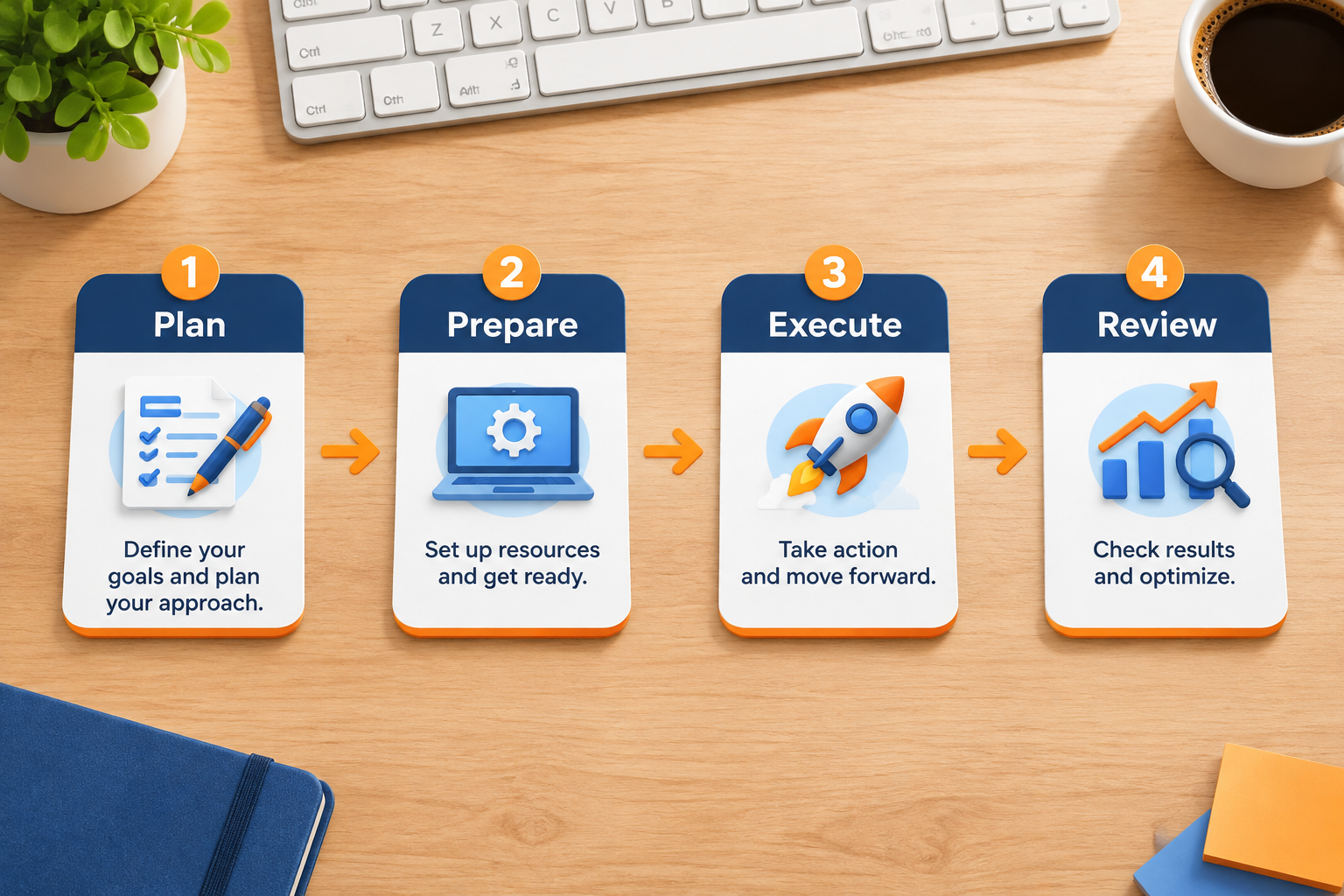
- Determine the transaction scenario first: Confirm whether the site is inquiry-based or online checkout-based, and then decide whether to integrate online payment. Do not force it just to make the features look good.
- Choose the settlement path next: Clarify whether local wallets and bank transfers can be withdrawn to your overseas entity. This step determines whether you use an aggregated payment gateway or a separate channel. Payment integration is one of the four factors affecting pricing; the more complex the features, the higher the corresponding workload. Specifically, you can refer to the pricing breakdown in independent website building services to see how site formats and feature touchpoints affect quotes.
- Keep payment instructions clean: Clearly write down supported methods, fees, and arrival times on the page; don't just display icons. If you really want FAQ rich snippets, only place FAQPage in the FAQ section, and verify with the Rich Results Test. Do not stack mismatched types.
- Run a test using a local Indonesian environment: Test a transaction using a local network environment and local account to check whether failure prompts, return URLs, and payment callbacks are normal. If you skip this step, you will only be able to troubleshoot based on customer screenshots after the official launch.
4. Score Yourself Before Deciding Whether to Launch
Score yourself on the following four items, 25 points each:
- Can you state in one sentence whether your site is inquiry-based or online checkout-based?
- Are the local payment methods favored by your target buyers placed at the front of the checkout page?
- Have the settlement cycle, arrival currency, processing fees, and chargeback rules been confirmed in writing?
- Does the payment instruction page use the correct structured data type instead of stacking Product?
If your score is below 60, my suggestion is to sort out your payment specifications first and not rush to integrate channels and launch. When it comes to collecting payments for an Indonesian independent site, it's not about integrating as many channels as possible for safety, but being able to clearly ask and explain every single segment from the moment a buyer clicks pay to the funds reaching your overseas account. Only then can you dare to scale up traffic on this site.