Kunshan Website Building: Don't Just Focus on Total Price Before Starting, or You'll Face Missing Language Configs and No Google Indexing
When building websites, many foreign trade factories in Kunshan tend to decide based solely on a single total price quote, only to find out after launch that language configurations are missing, Google hasn't indexed the site, and inquiries are zero. Having built independent foreign trade websites for 8 years, I recommend laying out the number of pages, languages, work hours, and indexing configuration first. Each element represents real costs and determines whether you can be found online. Scre
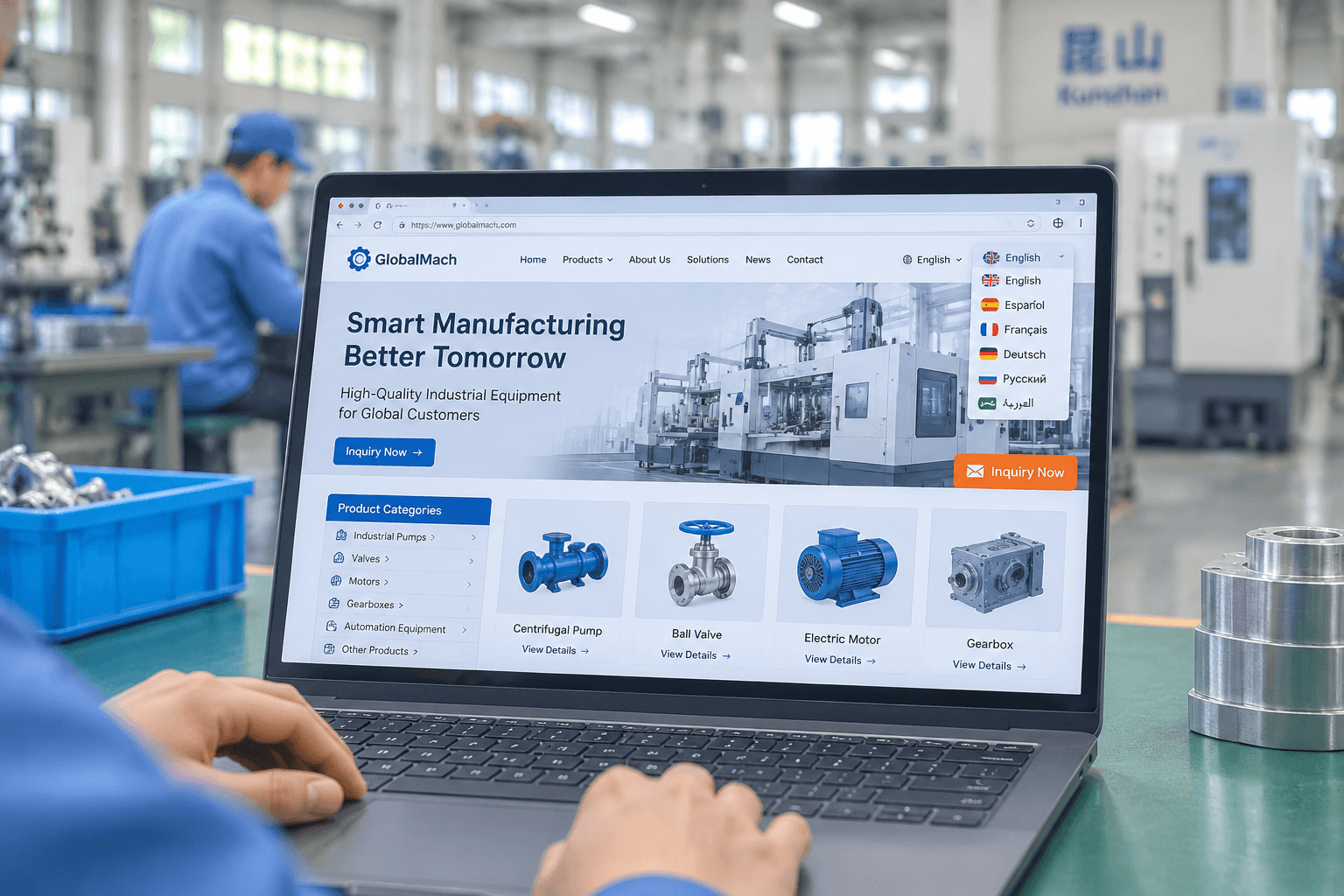
In website building in Kunshan, I've taken on orders from quite a few factories. After sending out the quotation, the bosses only look at the total price on the first page. Once the pages are built and launched, Google doesn't index them, and the inquiry count is zero. When they come back to us for revisions, we end up changing the pages and supplementing the process.
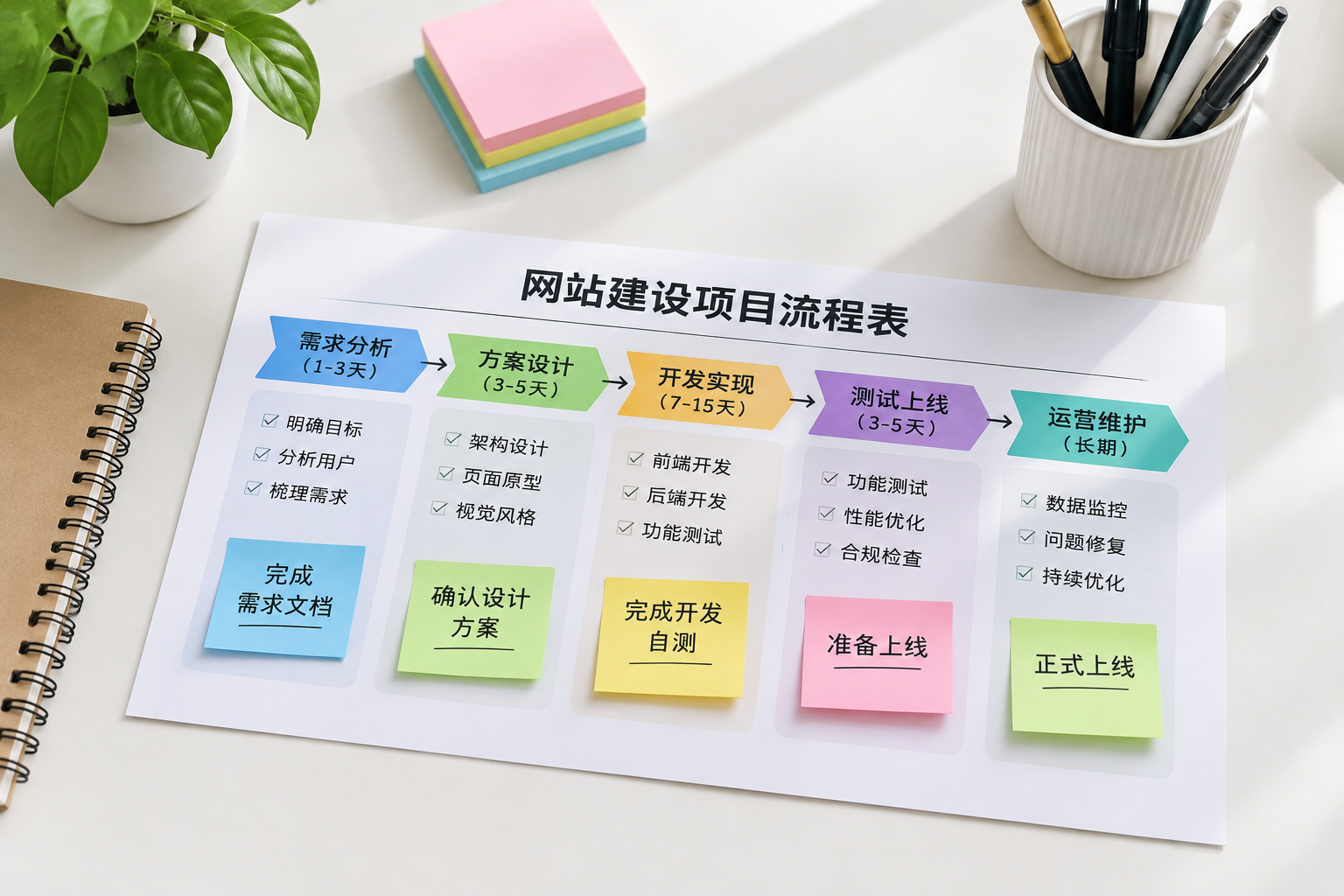
For foreign trade factories in Kunshan doing website building, the easiest trap to fall into isn't poor technology—it's focusing solely on the total price. We usually break down a standard official website quote into four parts: number of pages, number of languages, work hours, and indexing configuration. When you lay out each part, you'll know where your money is going and whether the supplier has missed any items.
First, let's talk about the number of pages. More pages aren't necessarily better, but they determine how many search entry points the site covers. For a foreign trade website, the home page, product category pages, single product pages, about page, and contact page form the baseline. Miss one category, and the search engine has one less entry point to crawl. Our standard website delivery takes 5~15 working days from requirements communication to launch. This timeline isn't rushed; it includes content filling, remote preview, and submitting for indexing. If someone quotes a delivery period far shorter than this, you should ask: How many pages are there, who fills the content, and who submits for indexing?
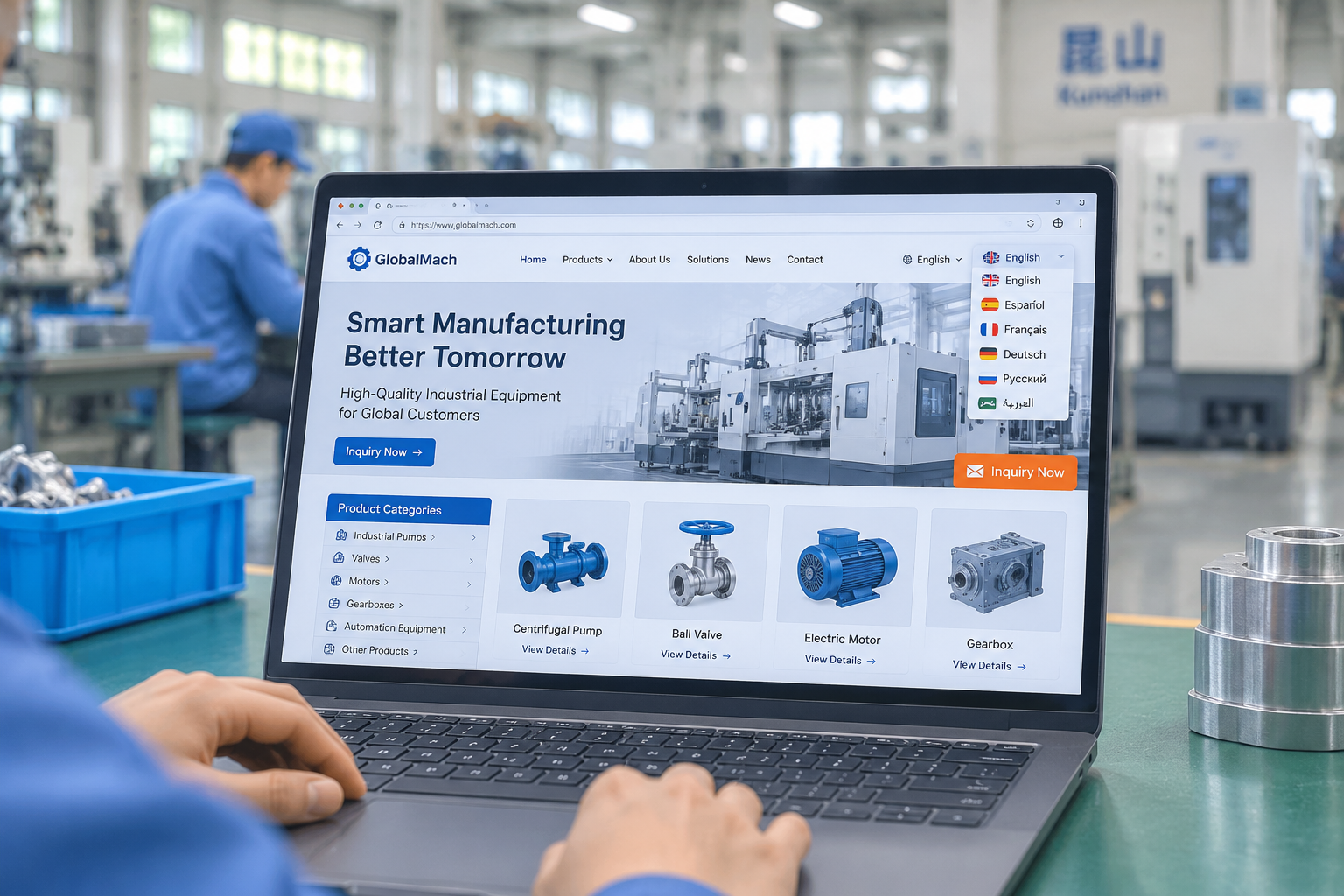
The second number is the number of languages. Many factories in Kunshan target European, American, Southeast Asian, and Middle Eastern markets. The difference between a single-language site and a multi-language site is directly reflected in the timeline: including multi-language and e-commerce modules, the timeline is 7~25 working days. Having multiple languages isn't just about translating Chinese pages; each language needs separate hreflang configuration to let Google know which version is intended for users in which country. Without this configuration, multi-language cross-linking is useless, and different language pages will conflict with each other.
The third number is work hours. Behind work hours is whether the process is solid. Our process consists of requirements communication, design and prototyping, content filling, remote preview, and launching with indexing submission. Within 1 working day of submitting requirements, we provide a detailed quotation specifying where every item goes. If a supplier gives you only a total price without a breakdown, they are very likely to add extra charges later for additional pages or feature integrations. The price differences in Kunshan website building are mostly driven by the number of pages and languages. If you're interested, you can check the breakdown logic in Website Building Costs and Pricing so you at least know which numbers to ask about.
And the fourth number is the indexing volume. Launching does not equal being indexed. Upon delivery, we configure the sitemap and actively push new pages to search engines using IndexNow or Baidu active push. Indexing volume is a verifiable progress metric. In your GSC coverage report, you can see how many pages were submitted, how many were indexed after a few days, and which pages were excluded. If this number remains stagnant, it indicates a critical flaw on the site, such as crawl blocking, incorrect robots configuration, or content judged as low quality. When Google doesn't index a site, it's often not because the content is bad, but because you haven't done the things required for indexing optimization.
After looking at these numbers, you can at least judge one thing: ridiculously low quotes definitely cut corners on the page count and language count. Cut a few pages, stick to a single language, and the timeline will naturally be short—but after launch, if Google doesn't index it and overseas customers can't find it, no matter how cheap it is, it's useless.
Don't Just Look at Rankings Post-Launch: These GSC Metrics Reveal the Real Truth
After the site goes live, many bosses in Kunshan ask me: Has the ranking gone up? My answer is: rankings matter, but don't look at rankings alone. Google Search Console, which we usually call GSC, has several metrics that tell a truer story. Impressions show demand, clicks show relevance, CTR shows titles and rich snippets, average position shows general placement, the coverage report shows crawling and indexing, and crawl stats show what the search engine is actually crawling. Reading these metrics together is much more accurate than looking at a single ranking.
Let's talk about impressions first. High impressions mean Google is already displaying your pages in certain searches, but impressions don't equal traffic. Clicks represent how many people actually came in. Low clicks and high impressions usually mean the page title and description aren't attractive, or the search terms appearing don't match the page content. CTR is clicks divided by impressions; if it's low, you need to go back and revise the titles and rich snippets. Average position only shows general placement; it mixes different words and locations together, so don't treat it as a real ranking. If you truly want to check rankings, look up specific keywords and specific regions.
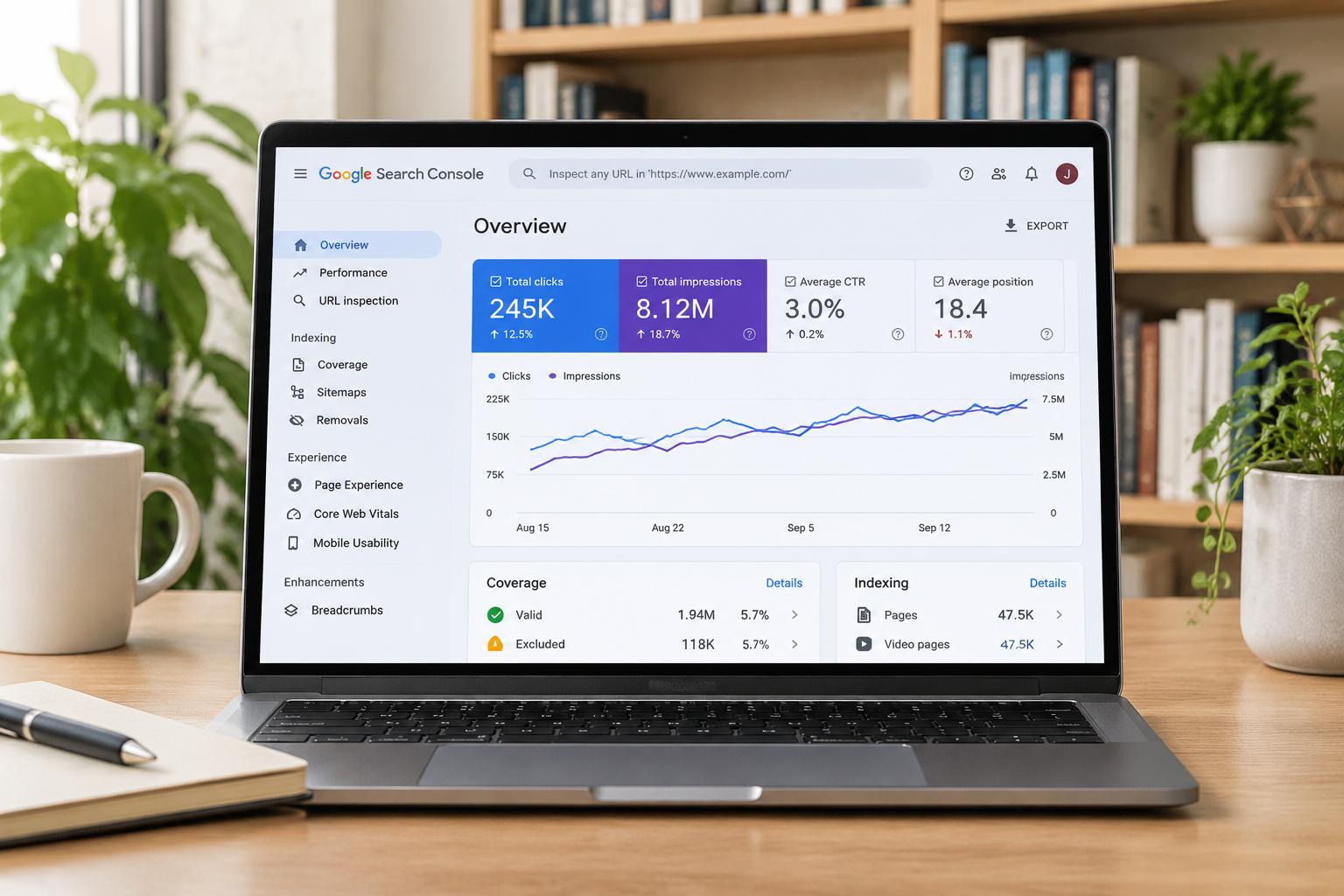
The coverage report is our most frequently used tool. It tells you which pages Google has actually crawled and which ones haven't been indexed. A common issue for Kunshan factory sites is not submitting a sitemap after launch, meaning Google doesn't come to crawl, resulting in large chunks of pages showing as unindexed in the coverage report. Crawl stats let you see how often Googlebot visits and which URLs it crawls. If the crawl stats show only the home page for a long time, it means internal linking and the sitemap haven't been set up properly, so Google can't crawl inward—no matter how fresh the content is. The sequence of SEO is very important; I wrote an article called How to Do Google SEO for Independent Foreign Trade Sites: 6 Steps in Order that you can follow.
After pages are indexed, you also need to look at conversions. We build inquiry-based sites, not content sites. No matter how high the rankings or how much traffic you get, if no one fills out the form or clicks the online customer service, it's all for nothing. Conversion data should be viewed in combination with the dwell time on inquiry pages and the number of form submissions. Looking at rankings without looking at conversions is the most common misunderstanding I've seen.
Timeline Starting Today
If you're doing website building in Kunshan, whether you choose us or someone else, you can follow this rhythm starting today.
- Week 1: Clarify requirements. List out the site format, page categories, number of languages, and feature contact points. Don't just replace everything with the four words "build an official website."
- Week 2: Get 2 to 3 quotes and compare them item by item for page count, language count, timeline, and after-sales scope. Directly eliminate any quote that only shows a total price without details.
- Week 3: Confirm the design and prototype before starting work. Suppliers without a prototype confirmation stage will have subsequent rework eat up your entire timeline.
- Launch Day: Submit the sitemap, configure GSC, and verify hreflang. Until these three things are done, it's not considered launched.
- 30 Days Post-Launch: Check GSC coverage and click data; don't just look at rankings. For keywords with low rankings but stable clicks, continue incorporating them into your content.
Don't rush on the pricing part; specific numbers need to be evaluated based on your requirements, and a breakdown can be provided within 1 working day. Only four things affect the price: site format, page and category scale, and feature contact points. You can first take a look at the Foreign Trade Independent Station Construction Service List to get a rough idea.