
Does the Made-in-China.com Foreign Trade Official Website Equal an Independent Station? This Common Misconception Will Cost You Twice
Many foreign trade bosses treat their Made-in-China.com accounts as their own foreign trade official websites, thinking that opening a store equals having an independent station. This misunderstanding constantly appears when we take on orders: customer contact information, data assets, and ranking rules are not in their own hands. A true independent station means both the domain and data belong to you, whereas the platform is merely a rented storefront. After reading this, you will tell the diff
目录
- Misconception 1: A page given to you by the platform equals having an official website
- Misconception 2: The platform has traffic, so you don't need to build your own site
- Misconception 3: The platform annual fee is already quite high, building an independent station is redundant investment
- Looking three years ahead, the differences between the two paths become magnified
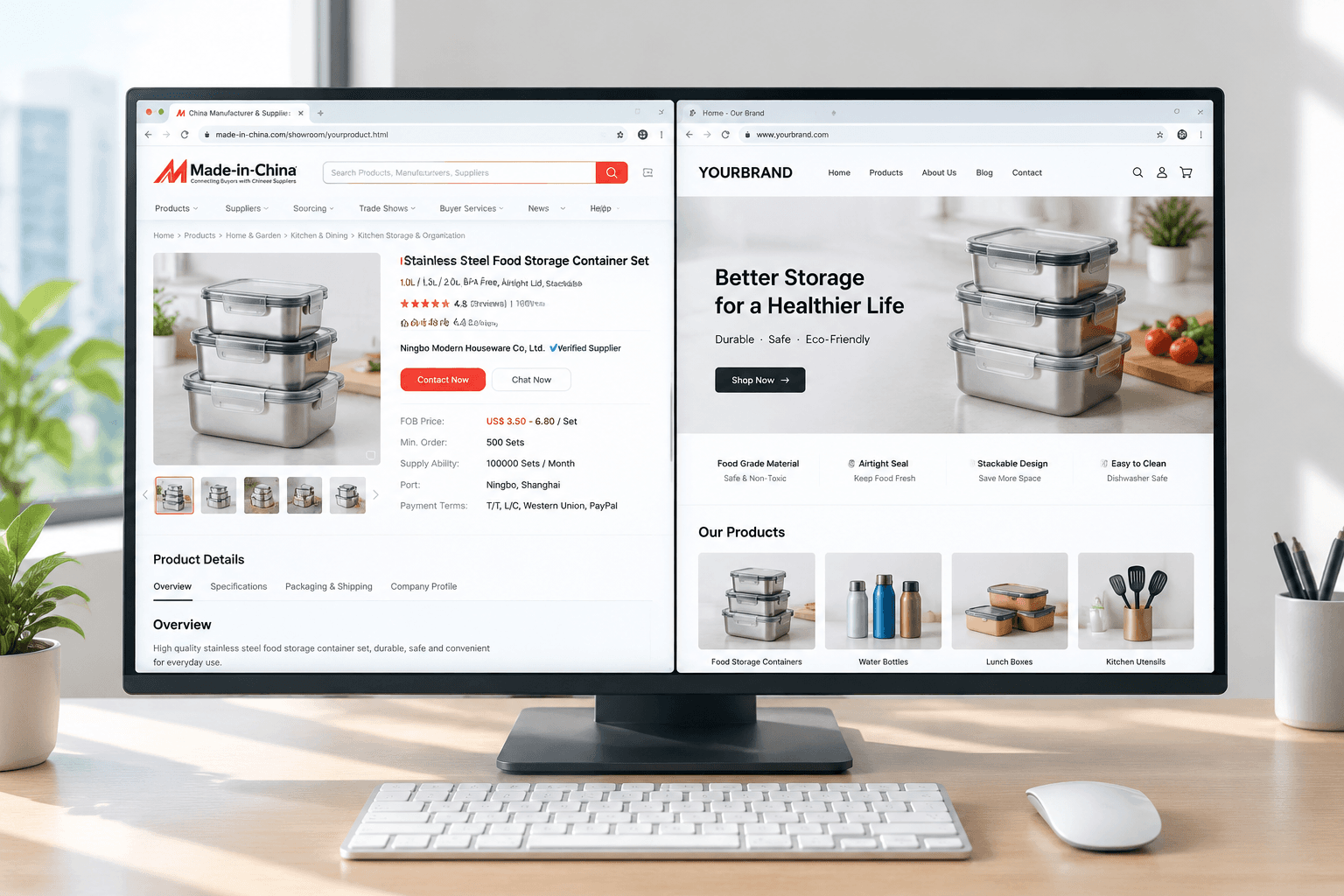
Let's put the conclusion right here: Made-in-China.com foreign trade official website is not your independent station. Operating your platform store as an official website means you are putting customer contact information, data assets, and ranking rules on someone else's shelves. This judgment is not just industry observation, but the recurring reality we've seen in the platform ledgers over our 8 years of building foreign trade independent websites.
Lately, factory foreign trade managers always ask the same question: Doesn't Made-in-China.com already have official website pages, so why do we need a separate foreign trade independent website? The question itself is a misunderstanding. Let's break down the three most common misconceptions one by one.
Misconception 1: A page given to you by the platform equals having an official website
Let's look at a standard for judgment. Whether a page counts as your official website doesn't depend on how many years of annual fees you paid, but on three things.
- Domain Ownership: What Made-in-China.com gives you is a sub-page within the made-in-china.com site; the domain does not belong to you. Customers bookmark the platform address, not your brand address.
- Data Ownership: Customer inquiries, behavioral records, and product data are all in the platform backend, with restrictions on exporting. In projects we've done, some clients accumulated three years of data on the platform and wanted to migrate it to an independent station, only to find they could only copy it line by line. It's not that the platform won't let you export, but the export format and fields are incomplete; key information like inquiry details, follow-up records, and buyer tags remain in the platform backend, leaving you unable to even do remarketing once you leave.
- Rule Ownership: The moment platform rules change, your display slots, ranking weight, and even product reviews will change accordingly. You only have usage rights, not ownership.
The price of this misunderstanding is direct: customer relationships and business data both become rented assets. The moment the platform account is suspended, your accumulation essentially resets to zero.
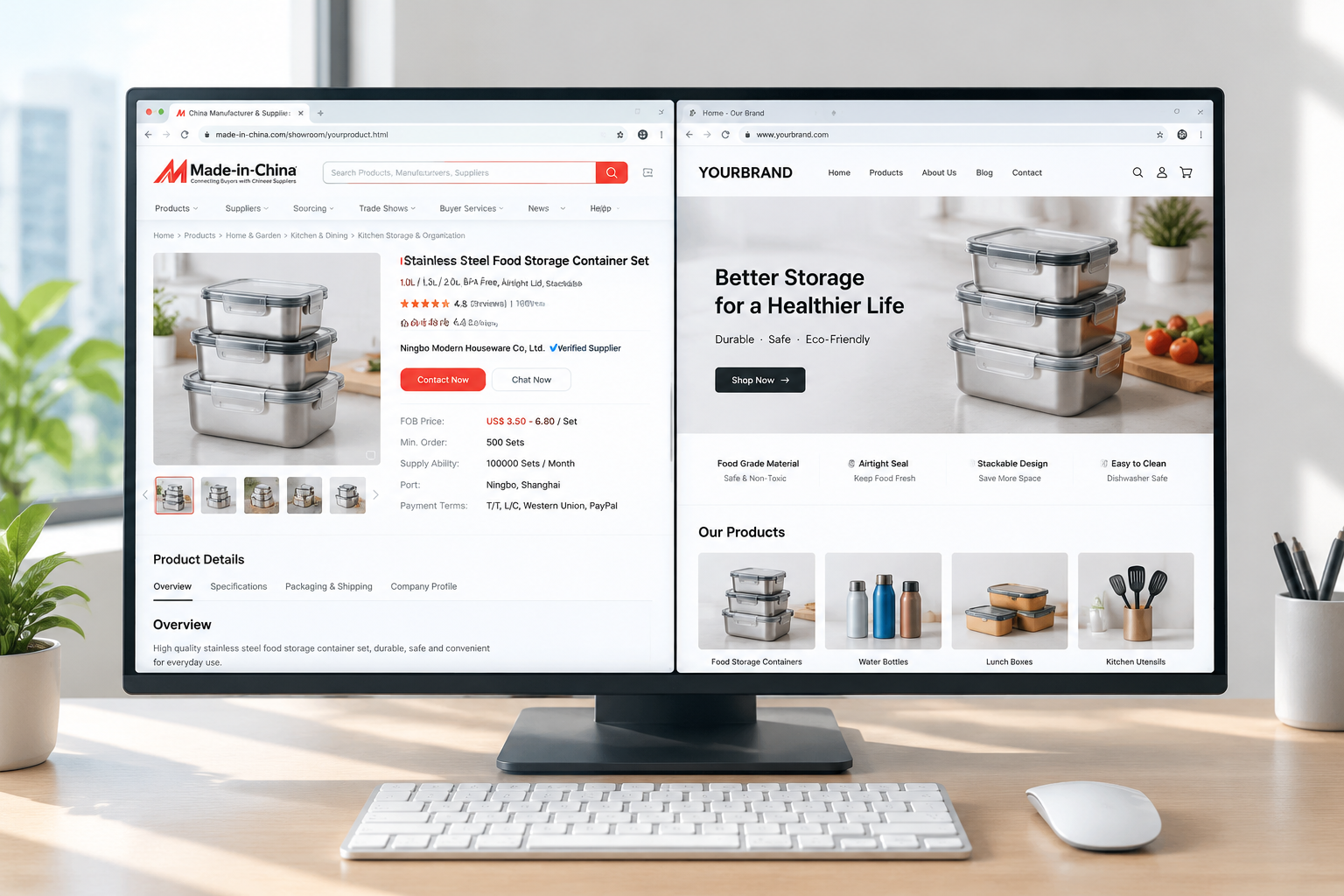
I've written an article about the differences between foreign trade B2B website building services and cross-border e-commerce independent stations, which breaks down the deliverables of both in much more detail. You only need to remember one sentence here: a platform page is a shelf, while an independent station is your own storefront.
Misconception 2: The platform has traffic, so you don't need to build your own site
The platform does have traffic, but the right to distribute that traffic is not in your hands. Your ranking on Made-in-China.com relies on internal platform rules and paid tiers, not your brand name.
To judge whether platform traffic is truly yours, look at the following sequence:
- Look at the source: When buyers search within the platform, they click on platform results, not your brand results.
- Look at retention: After visitors leave the platform, they won't remember your domain name, only the platform name.
- Look at remarketing: The platform will not give you complete visitor data, making it impossible to do precise remarketing.
An independent station is different. Doing Google SEO may be slow to show results, but the people clicking in are those directly visiting your domain. This traffic will accumulate into your domain authority and brand assets. Google SEO doesn't yield immediate results, but every piece of content and every backlink is building weight for your domain. Platform rankings depend on top-ups and bidding, which drop the moment you stop; independent station rankings rely on content accumulation and become increasingly stable.
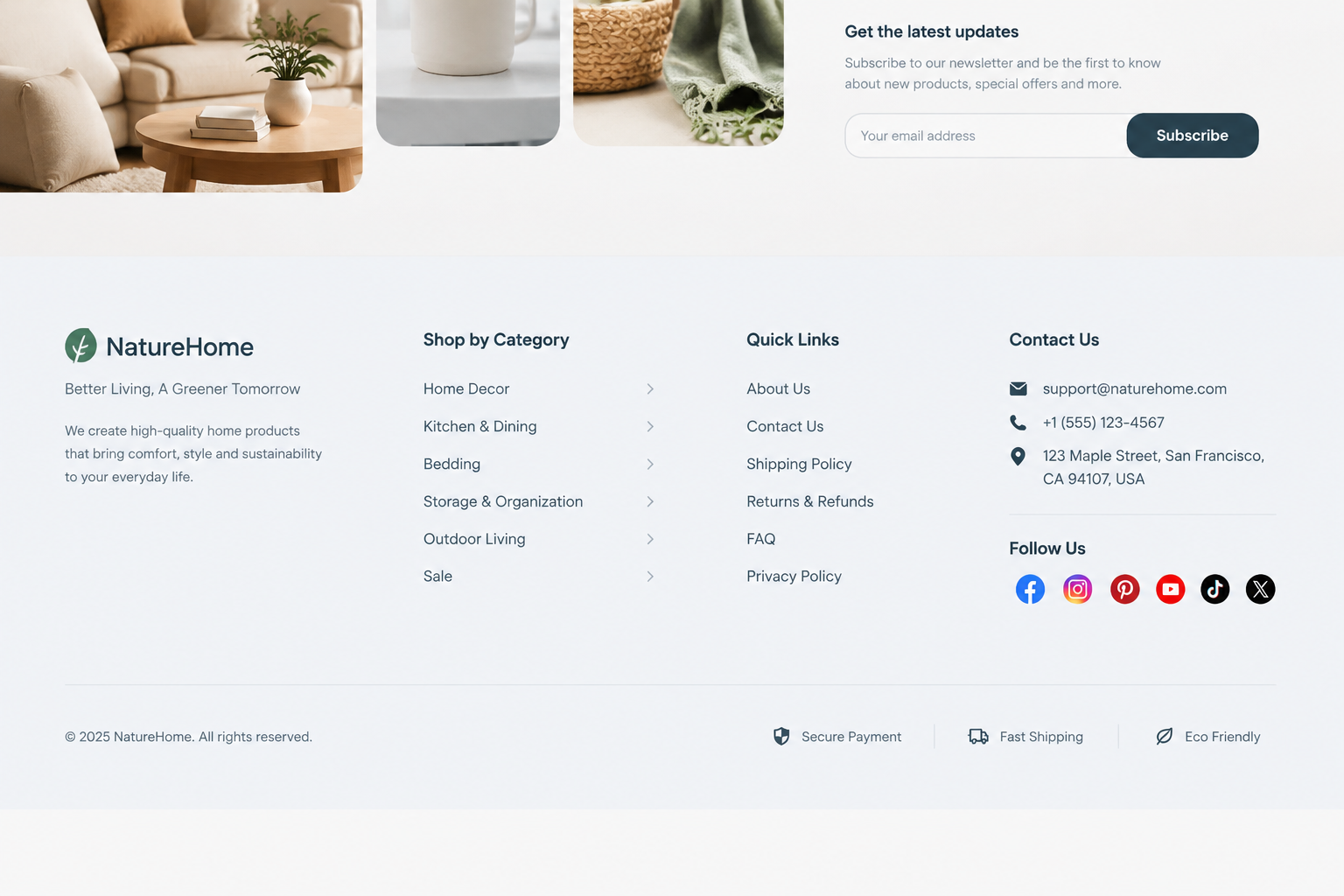
By the way, here's a website building detail: the footer of an independent station shouldn't just contain copyright information. When we build sites, we put product categories, contact info, and social media entry points in the footer. Once users scroll to the bottom, they know where they can go next, and search engines also evaluate this type of structure. Many corporate websites turn their footers into dead ends, forcing users to close the page right at the footer. This actually wastes navigation entry points and misses signals brought by social entry points.
If you've already decided to build an independent station but are unsure about the difference between building and mere stacking, you can read Independent website building is not 'uploading pages': 5 links of difference between building and stacking, which details the links you should pay attention to.
Misconception 3: The platform annual fee is already quite high, building an independent station is redundant investment
The nature of these two expenses is completely different. The platform annual fee is rent, paid year after year; stop paying, and you go offline. Independent station building plus maintenance is asset investment; the domain, server, content, and data all belong to you.
Let's do a simple calculation:
- Invest in the platform for three years, and what you get is three years of exposure and a batch of data you cannot take away.
- Invest in the independent station for three years, and what you get is an accumulative site where every piece of content and every backlink adds score to your domain.
It's not that you shouldn't invest in platforms, but rather that you shouldn't treat it as the entirety of your foreign trade official website. In many of the projects we take on, clients keep their platform stores for customer acquisition while using independent stations to handle brand searches and inquiry conversions—this is the long-term play. If platform annual fees account for more than 60% of your online customer acquisition budget, I would suggest shifting at least 30% to an independent station. It's not about cutting off the platform, but about supplementing the territory for brand searches and inquiry handling.
Looking three years ahead, the differences between the two paths become magnified
In the first three months, a platform store might bring inquiries faster than a new site because the platform has ready-made traffic. By the 12th month, the independent station begins to get indexed and gains natural rankings, and the cost of inquiries will slowly decrease. By the third year, the independent station's content assets are still working for you, whereas stopping a platform account leaves you with nothing.
Therefore, my advice is: do not treat the Made-in-China.com foreign trade official website as the destination. It can be a customer acquisition channel, but it shouldn't be your only official website. Who owns the domain, data, and content is what you should calculate for the long term. Next time someone asks you if the Made-in-China.com foreign trade official website is your official website, you can ask them one question first: Who owns the domain and data? If it belongs to the platform, it's rent; if it belongs to yourself, it's an asset. Looked at three years from now, this distinction will be extremely obvious.