
Solo Cross-Border E-Commerce: Evaluate Product Listing Pages Against These 3 Standards First—Avoid Image Walls
Running cross-border e-commerce solo, it's easiest to turn product listing pages into image walls: uniform titles, blank descriptions, and unorganized categories, resulting in indexed pages that attract zero long-tail traffic. I've repeatedly seen this in project audits; the root cause isn't whether you spend money on ads, but whether the page provides a structure that search engines can evaluate. This article doesn't teach you how to make sales in a day; it gives you 3 self-evaluating standards
目录
- Standard 1: If product categories are not vertical, categorize first and build lists later
- Standard 2: Writing only titles and prices in TDK means giving up precise traffic
- Standard 3: Even solo sellers must build a filtering layout, otherwise indexed pages won't convert
- Website building for solo cross-border e-commerce: Don't jump straight into a fully-loaded mall system
When we conduct technical audits, the first two types of pages we look at are the homepage and the product listing pages. The homepage affects inquiry conversion, while the product listing pages determine whether long-tail traffic can come in. Running cross-border e-commerce solo, I've seen too many sites turn their product listing pages into simple image walls—uniform titles, single-line prices, and unorganized categories.
Search engines judge product listing pages not by the number of images, but by whether the page answers a specific question within a product selection scenario. Google treats relevance as a page quality signal in its official documentation, while Bing has specific quality rules for product listing pages, verifying whether the TDK matches the products within the list. This proves one thing: running cross-border e-commerce solo, the messier the page, the harder it is to be categorized precisely.
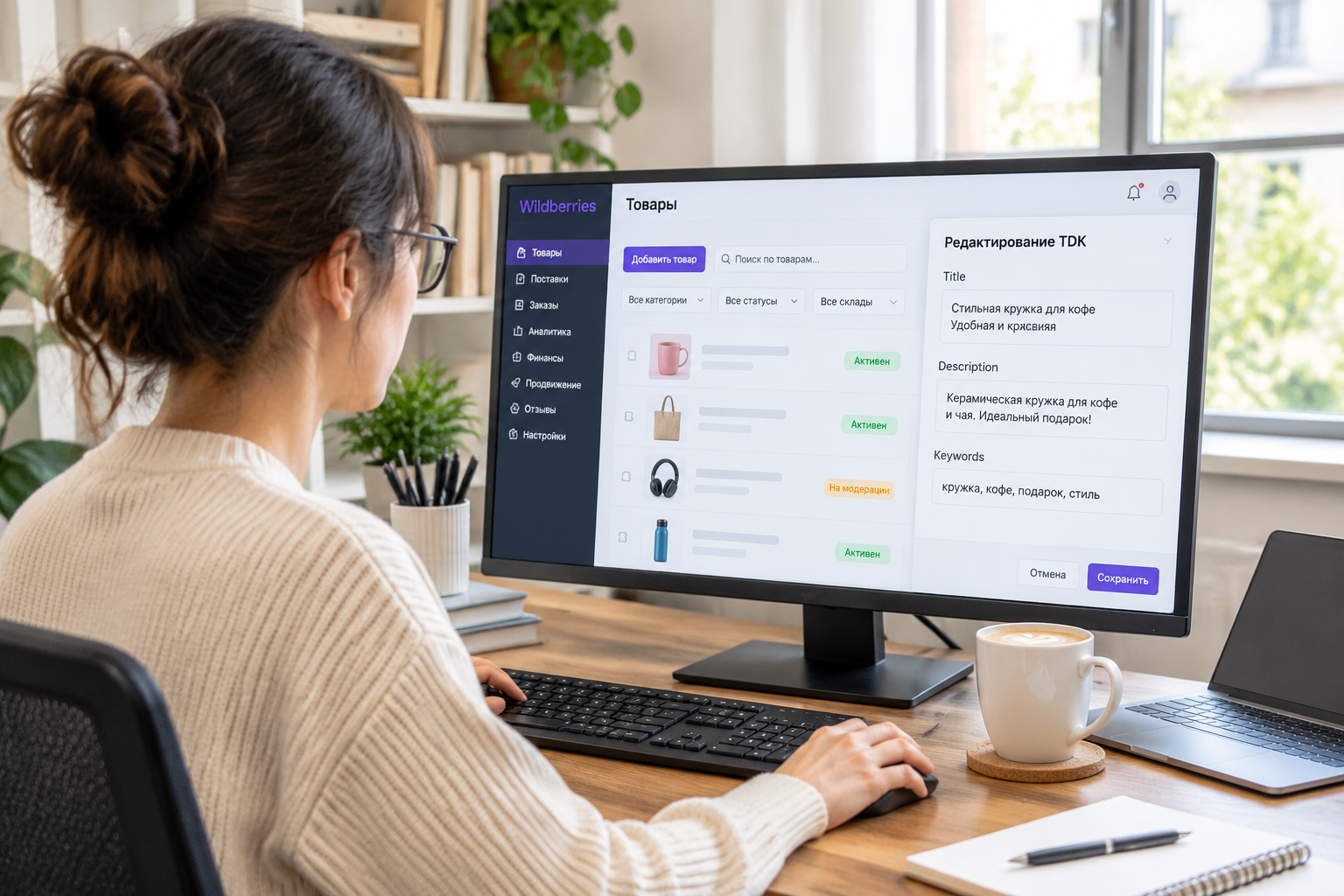
Standard 1: If product categories are not vertical, categorize first and build lists later
If product categories are not vertical, search engines won't guess the category for you; they will simply put your page into a vague pool. Among the projects we've handled, the most common stumbling block for solo sellers is uploading products first and organizing categories later, resulting in a listing page that mixes home goods and outdoor gear. In Bing's product listing quality checks, this page will be judged as topic drifting, and Google's long-tail matching will fail as well. Regarding this, you can check out the complete page quality judgment logic in the Foreign Trade SEO & Promotion section.
- Define primary categories first: Break down the products you want to sell by usage scenarios rather than sourcing channels. For example, "outdoor lighting" and "indoor lighting" should be separated and not lumped together into "lamps".
- Define secondary categories next: Put a maximum of 3 to 5 secondary categories under each primary category; any more means no categorization at all.
- Upload products last: Whichever category a product belongs to, its scene-based keywords must appear in the title rather than just the model number.
Standard 2: Writing only titles and prices in TDK means giving up precise traffic
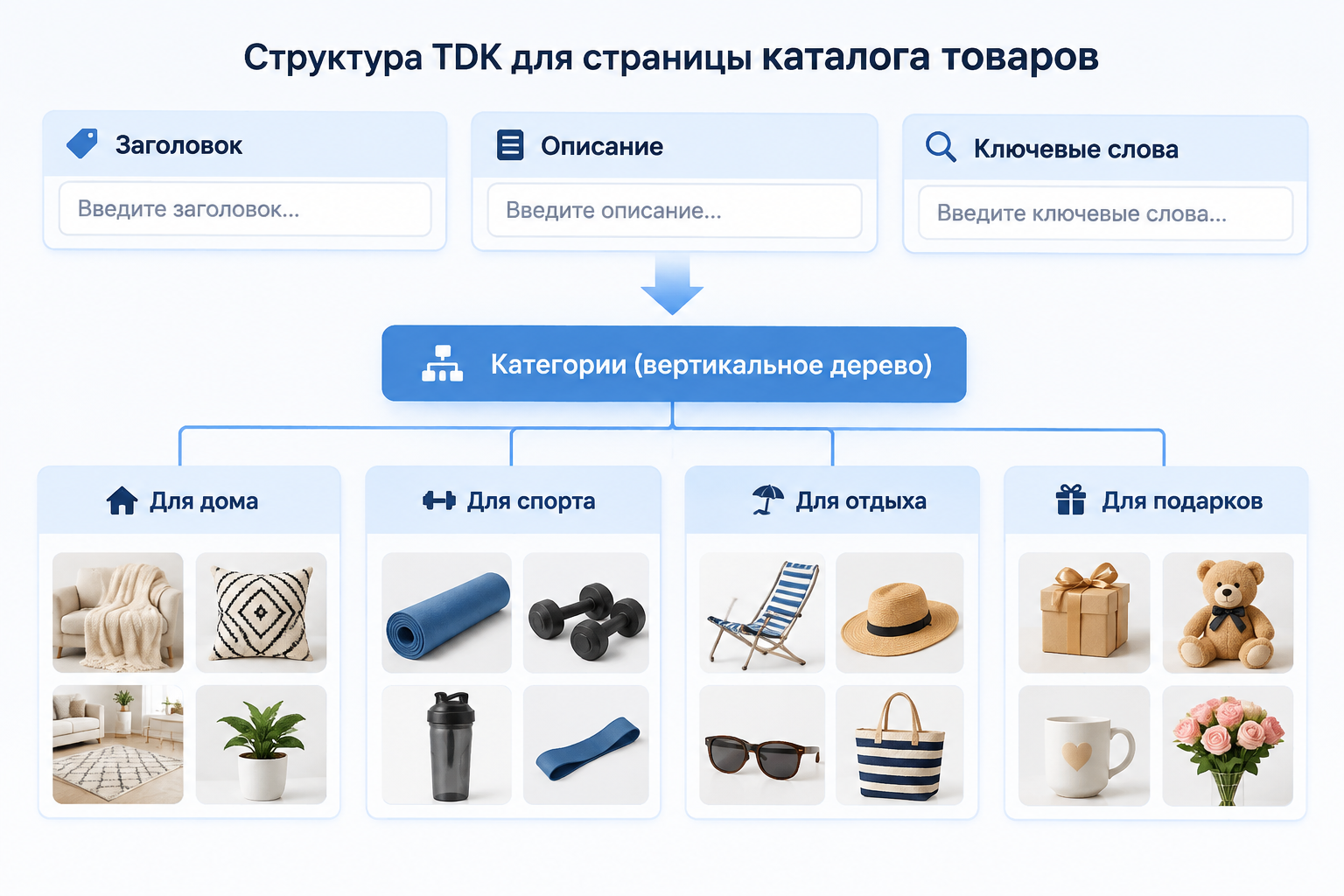
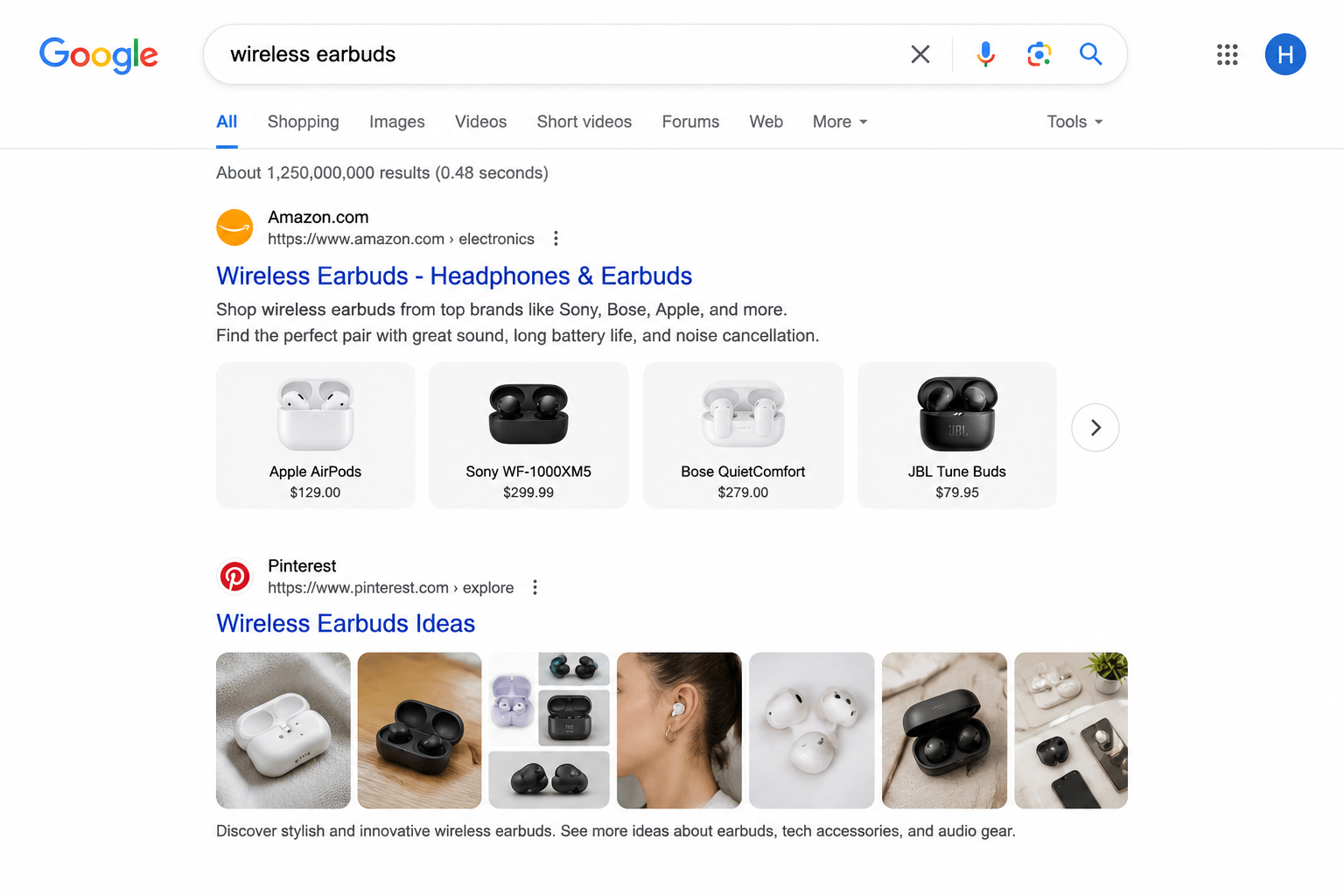
If the TDK of a product listing page only contains the words "product list", this page will basically never enter a quality ranking pool. I've seen solo sellers write product titles as "outdoor light 12V", leave the description blank, and fill in no keywords. Such pages lack directionality in Google's eyes and are just semantic-free image walls in Bing's eyes.
Bing's official documentation has relatively straightforward requirements for product listing pages: titles must contain product category words, descriptions must explain the audience and scenarios covered by the page, and keywords must match the products in the list. Although Google doesn't directly look at the keywords field, TDK serves as a trust voucher in search results; if titles and descriptions are inaccurate, click-through rates will drop directly. This is why we always pull the TDK of listing pages to review during every audit.
- Title: Category word + scenario word + audience word, for example, "outdoor camping light, portable lighting, for hiking and camping".
- Description: Clearly state what scenarios this listing page covers, what audience it suits, and what problems it solves—don't just copy product parameters.
- Keywords: Fill in 3 to 5 category words consistent with the products; don't stuff unrelated words, and definitely don't reuse the same set of words across the entire site.
Standard 3: Even solo sellers must build a filtering layout, otherwise indexed pages won't convert
Product listing pages without filtering functions cause visitors to scroll twice and leave, which is the most wasteful kind of indexing for a solo seller. Indexing is not the goal; conversion is. We've tested that listing pages with price filters, scenario filters, and specification filters retain users noticeably longer than pure image walls. Running cross-border e-commerce solo, maintaining filtering layouts indeed takes time, but if you use your website builder's category fields and tag functions to set up filtering rules, subsequent maintenance is just a matter of checking boxes.
- Price range: 3 tiers are enough; don't use continuous sliders. If you don't have time to maintain price brackets, fix them as "entry-level", "mid-range", and "high-end".
- Usage scenarios: Don't mix mutually exclusive tags like indoor/outdoor on the same line; keep one dimension per line.
- Specifications: Only include those that influence decisions, such as voltage, power, and size—don't turn packaging dimensions into filters.
Website building for solo cross-border e-commerce: Don't jump straight into a fully-loaded mall system
The easiest mistake solo sellers make when building a site is choosing a feature-packed system and ending up spending two hours a day maintaining the backend. Unless you are managing hundreds of SKUs simultaneously, a site supporting product lists, category fields, TDK editing, and basic filtering is more than enough. As we discussed in An Independent Site Is Not Just Any Platform: "Independence" Comes Down to Domain and Data Ownership, the core value of an independent site is that data and domains belong to you, not that more features equal better results.
Here is another easily overlooked point: if a solo cross-border seller handles multiple languages, the TDK of product listing pages cannot rely on automatic translation. Titles and descriptions must be written separately for each language—especially avoiding direct translation of English titles into German for publication, which triggers Google hreflang misjudgments. We previously wrote an article titled "Building Independent Sites for Cross-border E-commerce: Why Multilingual Architecture Is More Than Just a Single Translation"; you can self-check against the checklist in that article.
Don't treat product listing pages like warehouse shelves. What search engines and users see is simply whether a page has clear categorization and clearly directed TDKs.
Finally, let me point out a counterexample: a solo seller stuffed 300 products into a single listing page, with titles all reading "Product A", "Product B", and "Product C", blank descriptions, and only one category named "All". This page was indeed indexed after launch, but not a single long-tail keyword ranked in the top 3 pages for half a year. The problem wasn't a lack of ad spending; it was that the page itself lacked a structure recognizable to search engines.
Running cross-border e-commerce solo, fixing your product listing pages first pays off much better than rushing into ads or scrambling for external links.