Cross-Border Independent Site Optimization: Evaluate Using These 3 Standards First, Don't Rush Into Backlinks
When running a cross-border independent site, budgets are easily swallowed up by backlinks and outsourced content, leaving Google without even properly indexing your on-site images. My verdict is that cross-border site optimization should first be broken down into three cost categories: indexing structure, content images, and conversion paths, and then evaluated against three standards to see if every dollar is worth spending. After reading this, you'll know which optimization actions to take fi

目录
- How to Break Down the Costs of Cross-Border Independent Site Optimization
- Part 1: Indexing and Page Structure—The Criterion Is "Can It Be Read?"
- Part 2: Image and Content Assets—The Criterion Is "Can It Be Found and Trusted?"
- Part 3: Conversion Path and Feedback Data—The Criterion Is "Can It Turn Visits into Inquiries?"
- A Counterexample: How Money Gets Wasted
Cross-border independent e-commerce site optimization is most commonly misunderstood as building backlinks and changing titles. Having worked on foreign trade independent sites for 8 years, I've seen many projects blow their entire first-quarter budget on content and backlinks, only for Google to not even properly index the on-site images yet. In reality, cross-border site optimization should first break down costs, and then evaluate whether every single dollar is worth spending based on three standards.

How to Break Down the Costs of Cross-Border Independent Site Optimization
Conclusion: The money spent on cross-border site optimization shouldn't just be calculated as ad spend; it needs to be broken down into three parts: indexing structure, content/images, and conversion paths.
When working on projects, we are used to breaking down optimization costs first because many bosses immediately ask, "How much do I need to invest a month to see results?" If you don't look at these three areas first, your money will be spent where it's invisible. The first part is the page and indexing structure that Google can read; the second part is content and images that drive long-tail traffic; the third part is the conversion path and feedback data that turn visitors into inquiries.
Therefore, when estimating a budget, don't just guess a number—first list the number of pages, number of languages, and whether ERP or logistics tracking needs to be integrated. These variables determine the workload of the optimization.
Part 1: Indexing and Page Structure—The Criterion Is "Can It Be Read?"
Conclusion: If page structure, indexing, and URL submission are not set up correctly, no amount of backlinks will save a website that a search engine cannot understand.
- First, check if your sitemap has been submitted and if there are any crawl errors in Google Search Console.
- Confirm that the titles, descriptions, and structured data for every product page and article page are filled out, rather than using default templates.
- Perform an active URL submission after going live; don't just sit and wait for Google to crawl.
I often remind clients: for independent sites built from China, launching the website does not mean Google will index it—this misconception is costly. Google won't come to crawl your site just because your domain name is resolved, and many sites still have zero index three months after launch. Therefore, the cost for this part is mainly manual checks and technical configurations, not buying a bunch of backlinks.
The workload for this part mainly depends on three things: the scale of pages, categories, and functions; whether there are multiple languages; and whether it needs to be integrated with internal systems. Because these variables directly affect the complexity of technical configuration, costs cannot be calculated using a standard template price.
Part 2: Image and Content Assets—The Criterion Is "Can It Be Found and Trusted?"
Conclusion: Image optimization is the most underrated source of long-tail traffic for cross-border independent sites. When done well, it opens up two distinct pathways: product search and contextual search.
For some foreign trade sites we've worked on, visits driven by image search sometimes account for 20% to 30% of total traffic. Overseas buyers and procurement managers frequently use images to search for products and contextual references. However, image optimization is not as simple as swapping in high-definition pictures.
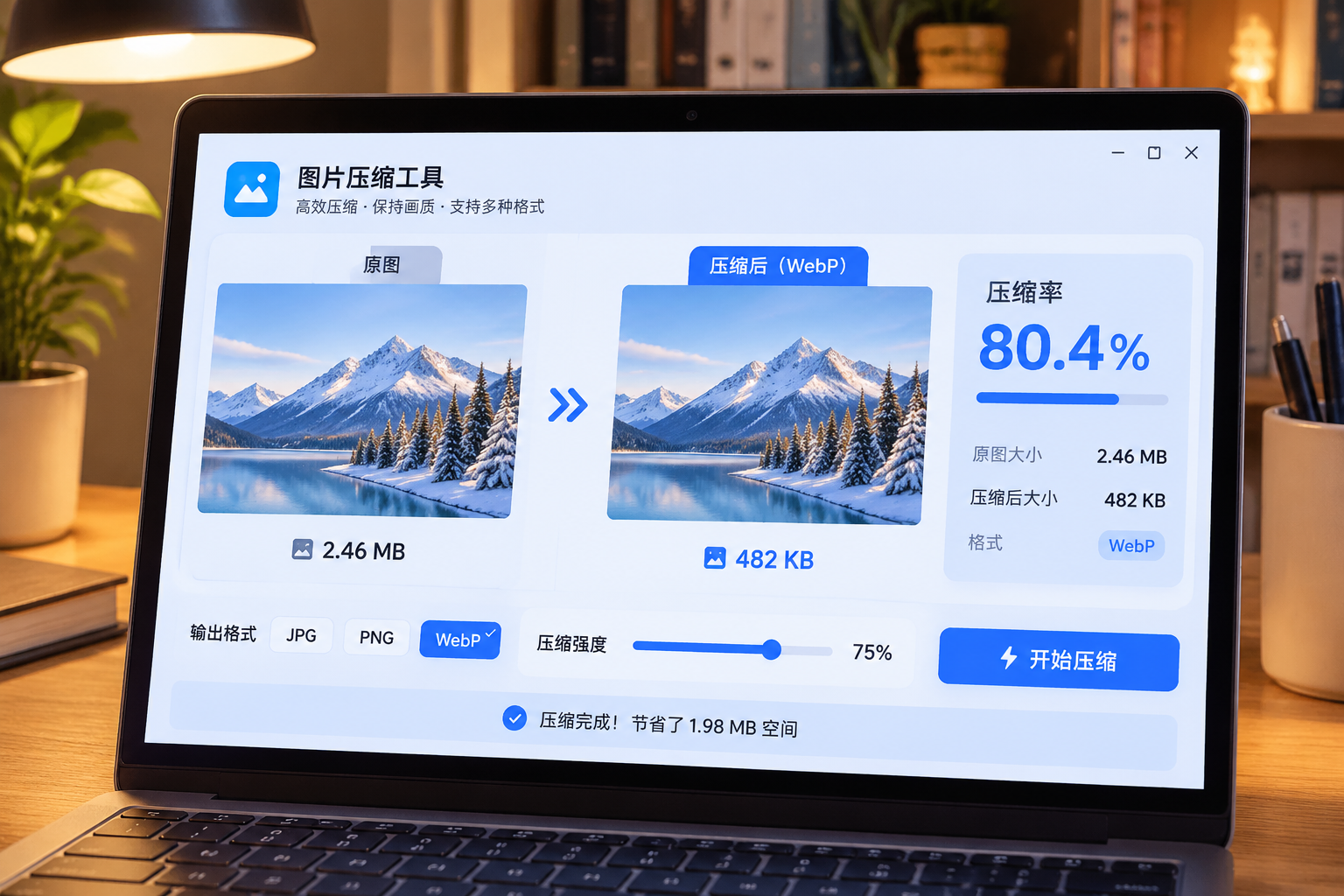
- Compress sizes and formats thoroughly; use compressed WebP for product images instead of directly uploading raw files over 2MB.
- File names and alts must carry semantic value; avoid names like 1.jpg, untitled, or IMG_20231001.
- Implement lazy loading for below-the-fold images so that dozens of images don't slow down the entire first screen at once.
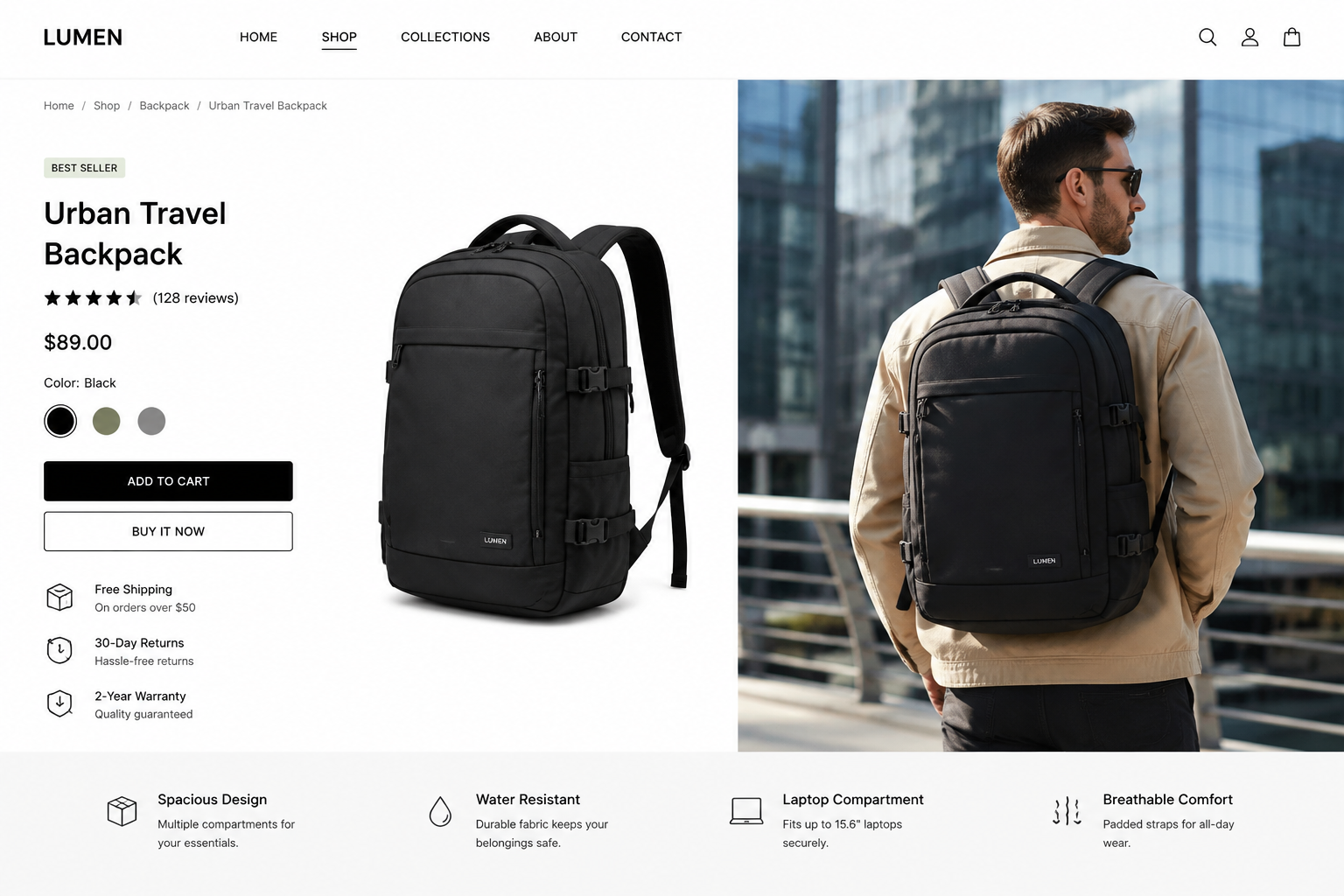
- Match product images and contextual images in a balanced ratio; don't make the whole page full of white-background shots, as that doesn't look like a real transaction scenario.
Image theft and copyright issues are the easiest pitfalls in foreign trade sites. Directly copying competitor images carries the risk of complaints and takedowns, and the cost is far higher than shooting a few contextual images yourself.
Alts should be written as descriptive sentences rather than a pile of keywords; file names should use formats like red-rose-silk-scarf.webp instead of IMG_8823.webp. Pair product shots and contextual images in a 7:3 or 6:4 ratio. Contextual shots can include production lines, application scenarios, and packaging details. The long-tail traffic that image search can bring is often much more stable than imagined, because a combination of a product name plus a material or color can be matched by image search with lower competition than text keywords.
Part 3: Conversion Path and Feedback Data—The Criterion Is "Can It Turn Visits into Inquiries?"
Conclusion: Optimization ultimately comes down to inquiries, not impressions. Therefore, forms, live chat, and page paths must be adjusted based on data.
- Every product page and landing page must have a clear inquiry entry point; don't make customers hunt all over the page.
- Live chat shouldn't just be an icon hanging there; set up quick-reply FAQs and a fallback contact form.
- Use Search Console and GA4 to look at real search terms and landing pages before deciding what to modify next.
For B2B independent sites, our conversion action is an inquiry, not a direct checkout. Therefore, forms and chat entry points on the page must be much more direct than on an e-commerce store. High impressions do not equal inquiries, and average ranking does not equal your actual position. As explained in Google SEO Search Rectification: Impressions Are Not Traffic, Average Ranking Is Not Your Position, these misinterpretations will cause teams to spend budgets on the wrong metrics. Consequently, time must be reserved for data reviews in this phase rather than leaving the site alone after launch.
A Counterexample: How Money Gets Wasted
Conclusion: If a cross-border independent site hasn't even filled out image file names and alts, but instead first buys a bunch of low-quality backlinks, the optimization budget for the first three months is basically wasted.
I've seen a project where the boss handed the entire budget over to an external link-building agency. As a result, all on-site product images were named 1.jpg with empty alts, and not a single Google Image Search entry was opened. Because search engines couldn't understand these images, image traffic couldn't get in, and the backlinks were all from spam sites. A few months later, rankings hadn't budged, but they received a bunch of spam backlink warnings.
Therefore, if you ask me to prioritize cross-border independent site optimization, I would first look at indexing and image semantics, then conversion paths, and only then would backlinks come into play. Specific website building and optimization quotes depend on the site format and functional integration—you can't just pull a number out of thin air. You can first check the Foreign Trade Independent Site Construction Service List, and we can break down the details according to your needs.