
How to Choose Foreign Trade Platforms: Use These 3 Criteria to Filter Out Money-Wasting Options
You might view Alibaba International and Made-in-China as the entirety of foreign trade platforms, ending up investing more and more in a store rented from others while customer data fails to accumulate. Usable foreign trade platforms actually fall into three categories: B2B inquiry platforms, B2C transaction platforms, and independent websites/SaaS builders. Choosing which category depends on three criteria: customer data ownership, traffic asset accumulation, and cost structure. Reading this w
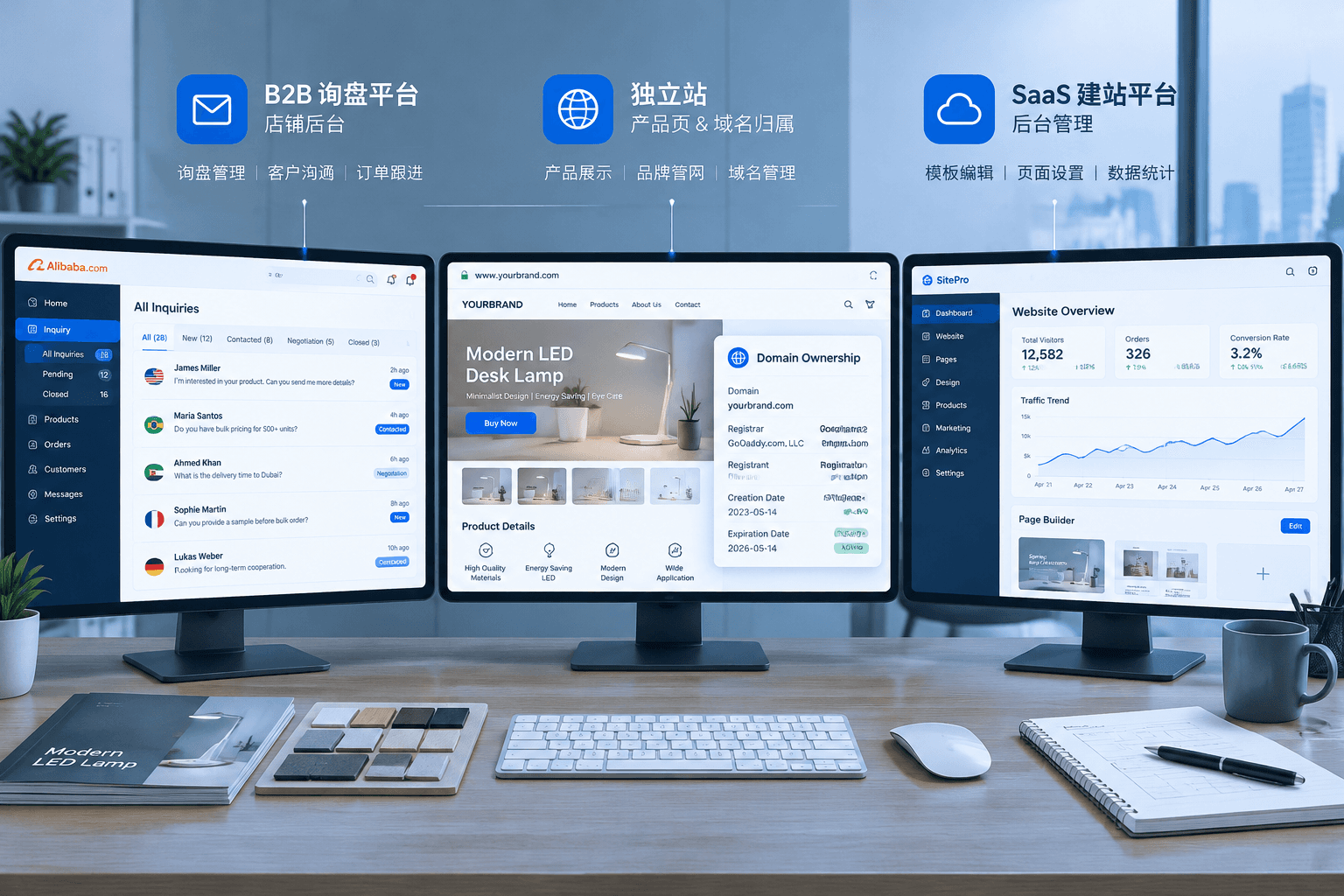
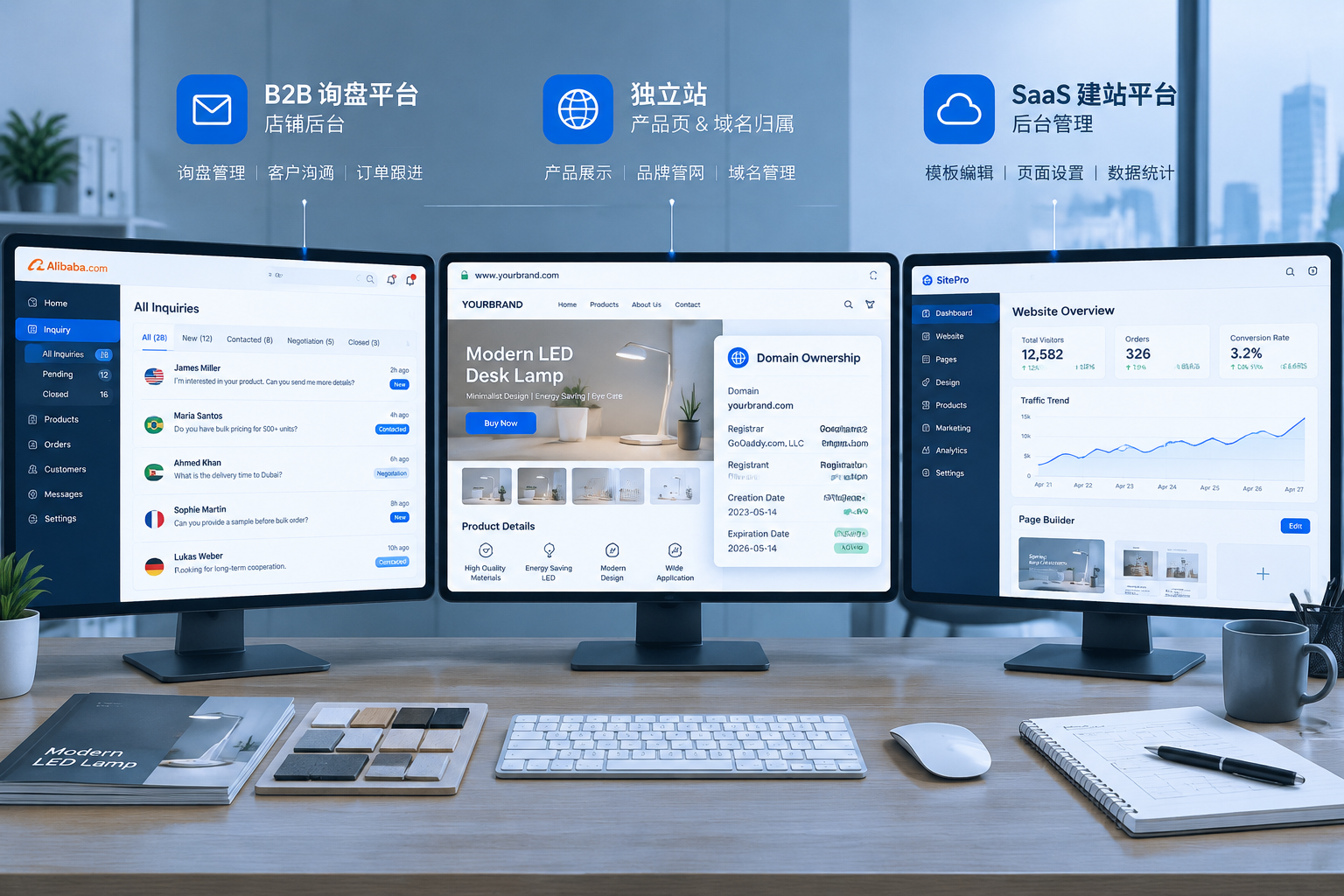
Having worked in foreign trade for 8 years, I've received countless inquiries asking "which platforms can be used for foreign trade?" The first sentence usually compares Alibaba International, Made-in-China, and independent websites on the same shelf just to check prices. This comparison is off from the start: platforms and independent websites are fundamentally different assets; one rents you a traffic entrance, while the other leaves the domain name and data in your own hands.
Breaking down "foreign trade platforms" first, I would divide the common ones into three categories rather than trying to pick just one best option for you.
- B2B Inquiry Platforms: Alibaba International, Made-in-China, Global Sources, etc. When you open a shop there, buyers see the platform first before entering your store, and inquiries must go through the platform's communication tools.
- B2C Transaction Platforms: Amazon, AliExpress, Temu, SHEIN, etc. Transactions, payments, and fulfillment are mostly completed within the platform's closed loop, making you look more like a supplier than a store owner.
- Independent Websites / SaaS Website Builders: Shopify, WooCommerce, and the custom foreign trade independent websites we build. Domain names, code, and customer data belong to you; you have to figure out traffic on your own, but your assets grow thicker over time.
Looking at this layer helps you understand that the word "platform" in "platforms that can do foreign trade" actually hides a multiple-choice question: Do you want to rent someone else's customer pool, or build your own?
Criterion 1: Whose Hands Does the Customer Data Finally Fall Into
This is the first question I want you to ask. Most customer information in platform stores is hosted by the platform. You might see buyer nicknames and chat logs, but real email addresses, phone numbers, and repurchase paths are not always exportable. Another point is that customers find you through platform searches, so they remember the platform and might not necessarily remember your brand name.
In the previous article Should You Use Online Foreign Trade Trading Platforms: 3 Standards to Calculate First, I did the math: platform inquiries are not valueless, but they are rented; when a form is submitted on an independent website, the customer's email goes directly into your list, allowing you to follow up, do remarketing, and build a customer pool.
In the projects we've done, a common stumbling block isn't failing to open a store on a platform, but rather realizing after two years that all customer interactions remain internal platform messages. When you want to convert them into long-term clients, platform rules restrict you from reaching them in batches.
Criterion 2: Can Traffic Turn Into Your Own Asset
Platforms have traffic too, but traffic rules change at any time. Google's content system updates adjust natural ranking weights, and a single change in a platform's search sorting can cause your store traffic to drop inexplicably. An independent website at least leaves behind the foundations of content, backlinks, and natural rankings, which belong entirely to you.
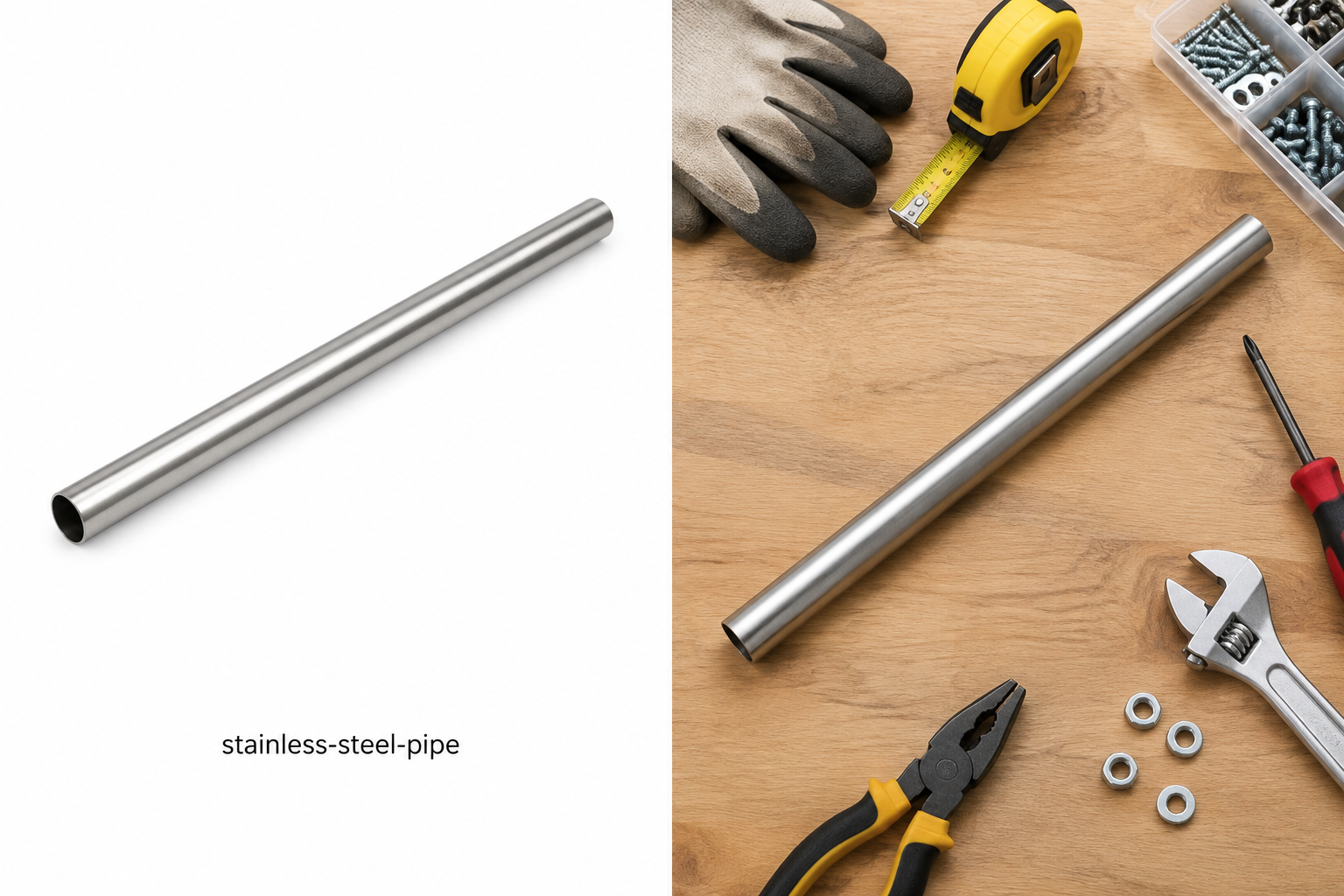
Doing image optimization on an independent website is a classic asset-building action. Stop copying and pasting those white-background platform images unchanged: file names must use product semantics, and alt text must clearly state the product name, such as using stainless-steel-pipe.jpg instead of 1.jpg. Images should be compressed into WebP, and non-above-the-fold images should use lazy loading. I remind all clients of one thing: image search is a long-tail traffic source for foreign trade sites, especially for categories chosen by visuals like mechanical parts, packaging materials, and home decor. Combine product images and scene images in proper proportions rather than filling entire pages with white-background images, which also helps avoid image theft and copyright risks.
If you are planning to launch an independent website, renaming image files and adding alt text is a low-cost action we recommend that can be handed over to the content team for execution within two weeks.
Criterion 3: Is the Cost Rent or an Asset
When comparing prices, you might only look at the first year: platform annual fees plus ad spending versus website building fees. But this calculation misses the subsequent costs. You have to keep paying platform fees, and stopping the payment stops the traffic; the upfront website building cost for an independent website is higher, while later costs mainly consist of servers, maintenance, content, and backlinks.
Our public pricing does not give rigid figures because only four things affect the quote: site format, page and section scale, function interface touchpoints, and multi-language site clusters. If you want to see the breakdown, you can submit your requirements on the Foreign Trade Independent Website Construction Services List, and you will receive a breakdown of where every penny goes within 1 working day.
Don't directly compare platform annual fees with independent website building costs; instead, compare them after three years to see who leaves you with reusable customer data and natural traffic.
Check in This Order, Don't Just Ask Which Platform Can Take Orders Right Away
I suggest going through the following order, which is much more useful than grabbing a bunch of platform reviews:
- Determine the conversion action first: Do you want inquiries or direct transactions? B2B looks for inquiries, while B2C looks for transactions, and their platform logics are not entirely the same.
- Check data ownership next: Can customer contact information be exported and integrated into your own follow-up system? Only when you can obtain it can you achieve repurchases and subsequent marketing.
- Calculate the three-year cost last: Platforms are ongoing expenses, whereas independent websites are heavy upfront and light later. Put the annual server, ad, and content budgets into the same sheet.
If you want to continue learning, I suggest checking authoritative resources in two places. One is Google Search Central's Image SEO and Structured Data documentation, which details alt text, image file names, and lazy loading requirements according to official standards; the other is the rule pages of platform seller centers, where Alibaba International and Amazon help pages provide clear explanations. Once you finish reading, you'll understand that platforms that can do foreign trade are not a single-choice answer, but are jointly determined by your data ownership, traffic ownership, and cost structure.