
How to Build a Website? A 5-Item Checklist for Free Website Builders to Test Before Choosing Your Path
Want to build a website using free tools, but not sure if it can handle foreign trade customer acquisition? This article starts from the underlying mechanics of free website building, offering a 5-item self-assessment checklist to gauge compatibility, followed by 3 key numbers to measure the real distance between a free solution and receiving inquiries. Read on to decide whether to keep testing the waters for free or switch to a sustainable long-term path.
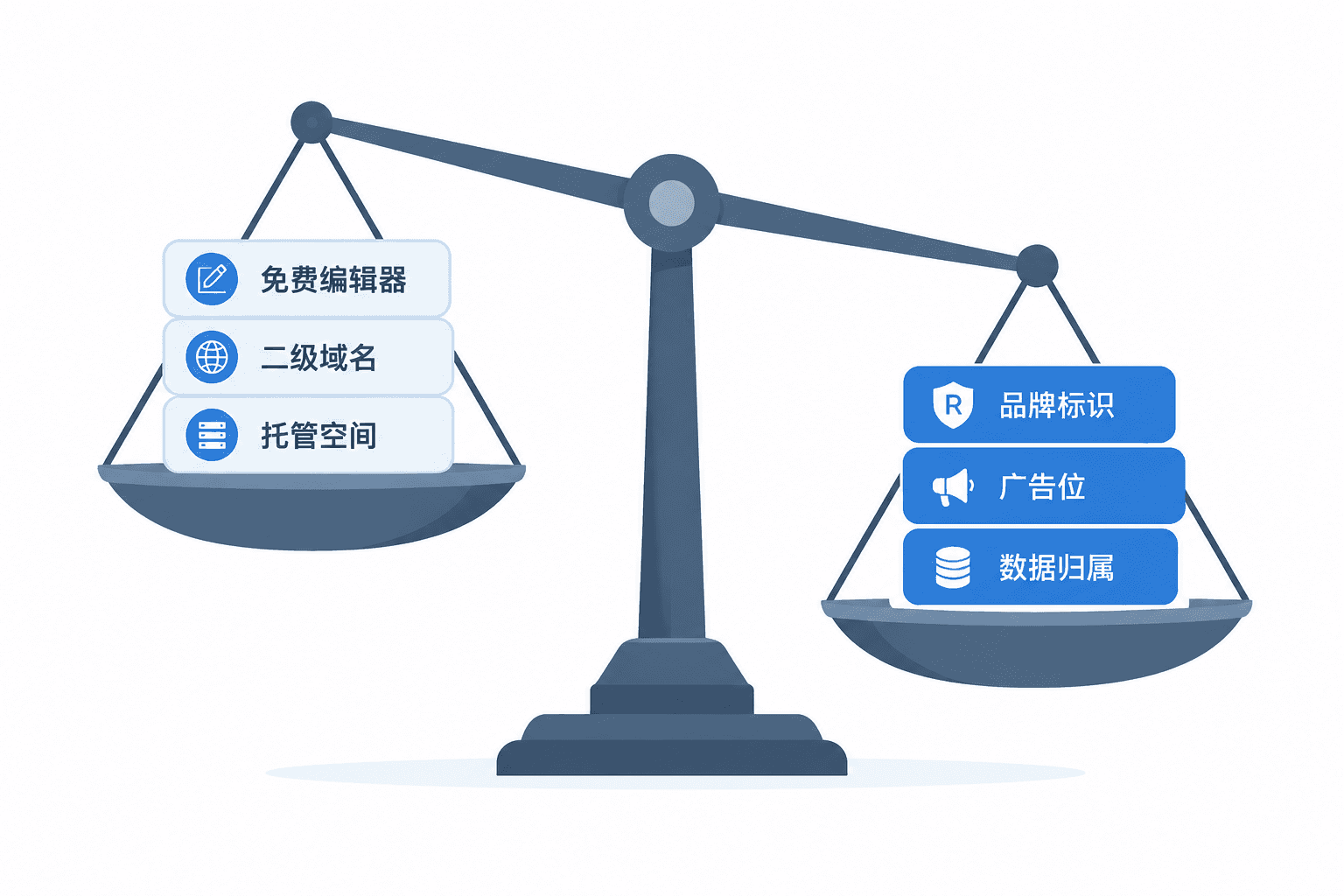
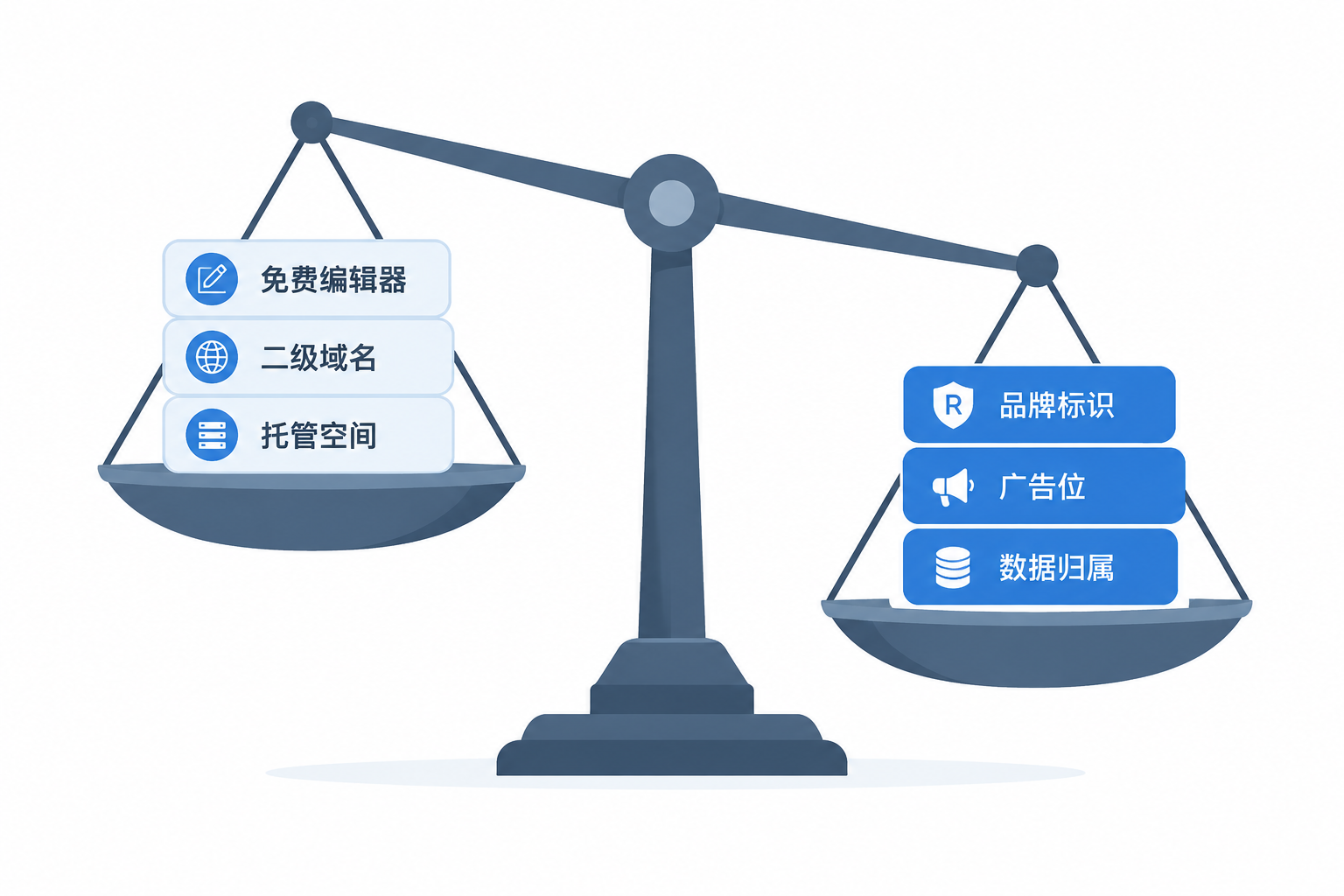
The underlying mechanism of free website builders is, essentially, a trade-off: "exchanging limitations for free services."
The platform provides an editor, hosting space, and a subdomain, while you give up brand display rights, data ownership, and feature limits. How does the platform maintain this "free" model? First, once you use the free version, you'll likely feel compelled to upgrade to a paid plan; second, your pages display its ads or brand identity; third, your content and traffic become part of its platform ecosystem.
Once you understand this mechanism, you can judge whether a free solution is actually helping you get started or simply building traffic for someone else.
A 5-Item Self-Assessment Checklist: Check the Boxes Before Choosing Your Path
Are you really just "giving it a try"? After trying it out, when overseas customers search for your product keywords, will the domain they find be platform.xxx.com or your own brand name? If customers don't find you, whose authority are you actually building with the time and energy you invest?
Check the following 5 items one by one:
□ I need an independent domain name to display corporate entity information (address, registration info, factory photos)
□ I need to be properly crawled and indexed by Google, rather than blocked by robots.txt
□ I need to set up an inquiry form so overseas customers can send requirements directly to me
□ I need to control the page structure, title tags, and structured data myself
□ I plan to use this site as a long-term customer acquisition channel, not discard it after a month or two
If you check more than 3 out of the 5 items, a free solution will likely fall short of your needs. It's not that it's "bad," but rather that its design goal was never intended for generating foreign trade customer acquisition.
3 Numbers to Measure the Distance Between "Free" and "Ready for Inquiries"
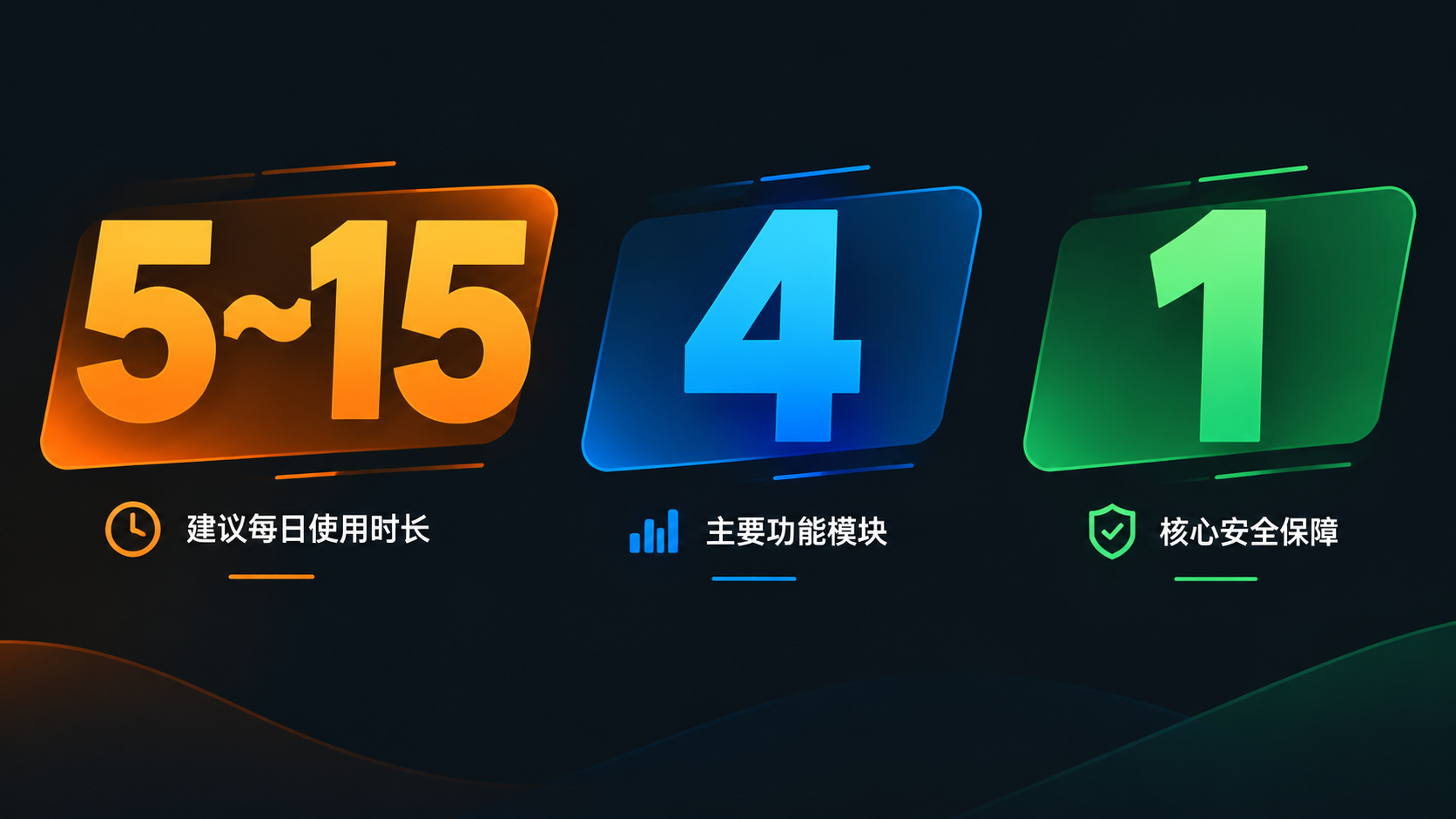
First is "5–15". This is the working day range from requirement confirmation to launch for a standard foreign trade official website. Free platforms boast about "building a site in 10 minutes," but a page put together in 10 minutes lacks an independent domain, structured data, and multilingual configuration—it's still a far cry from being "indexable by Google and capable of receiving customer inquiries." The 5 to 15 working days include requirement communication, design confirmation, content population, and indexing submission—the actions that truly make a site "come alive."
Second is "4". There are only 4 things that truly affect a site's quote: site form (showcase official website or e-commerce store with online transactions), page and section scale, and feature integration points (cross-border payment, logistics tracking, multi-currency, internal system integration). Free solutions slash all 4 of these items to the minimum, and the money you save corresponds to the complete absence of these 4 capabilities. For a breakdown of how costs are structured, check out this comprehensive guide on how overseas independent site costs are calculated.
Third is "1". Within 1 working day after submitting your requirements, you can get a detailed quote specifying what every penny is spent on, with no hidden fees. This means that "figuring out how much it will cost" doesn't cost anything in itself, and you don't need to make do with a free solution to test the waters first.
Reminder: Free Sites Are Quietly Eroding Your Google Trust Signals
Here is a reminder about an issue that many beginners are completely unaware of.
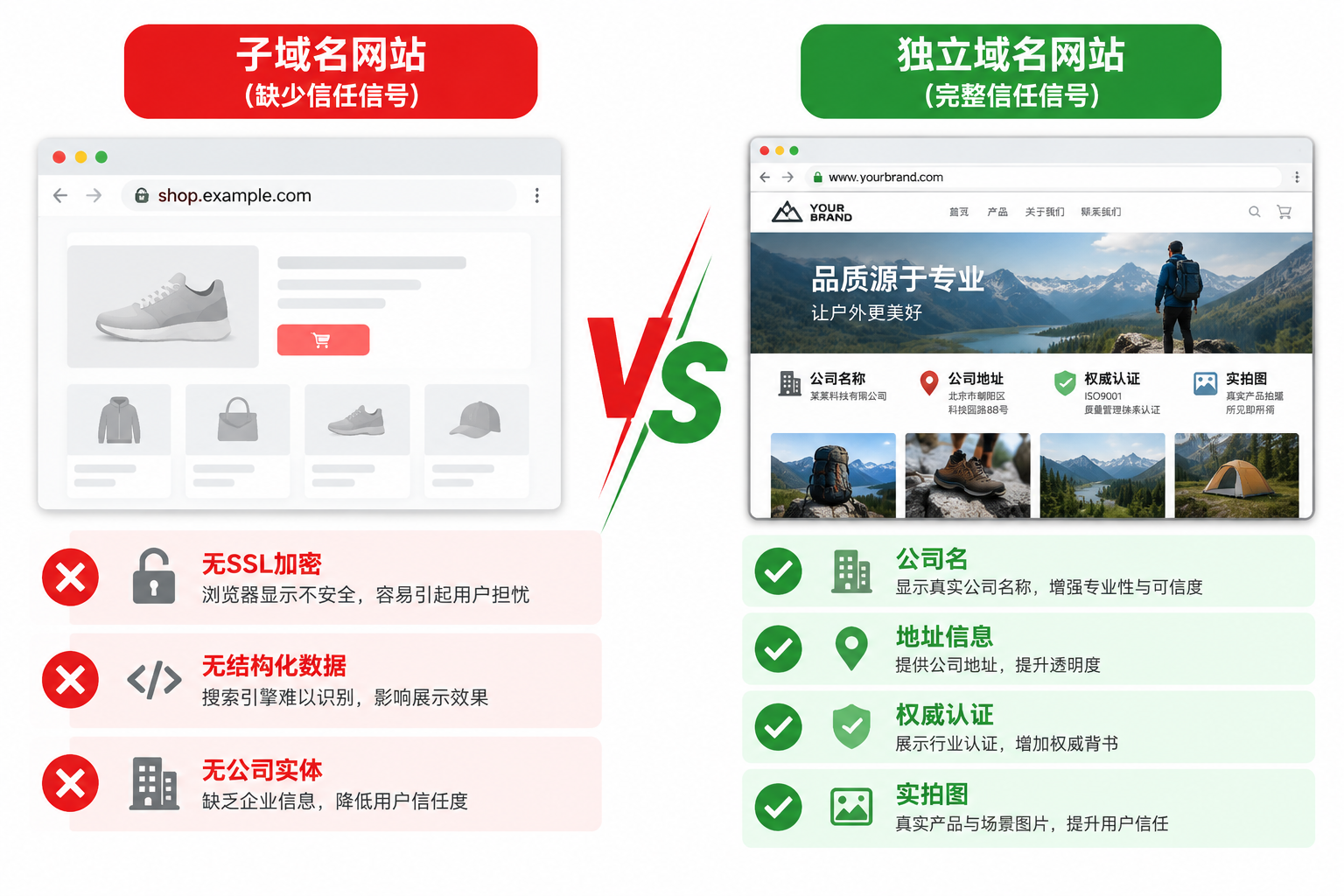
Google's recent ranking systems increasingly emphasize E-E-A-T (Experience, Expertise, Authoritativeness, Trustworthiness). A page without an independent domain name, corporate entity information, author attribution, or real factory photos is treated by the algorithm as "faceless" content.
Specifically: free subdomains cannot establish brand entities; pages without an SSL certificate are flagged as insecure by browsers; structured data (JSON-LD) cannot be added, meaning search engines cannot read your company name, address, or contact info; and content without attribution, sources, or actual photography is more easily judged as low quality in the current era of AI-generated content overload.
These are not problems you can "leave for later." If you test out a free site for a few months and Google classifies your content into the low-trust bracket, changing your domain name and starting over later will essentially reset your previous accumulations to zero.
When to Use a Free Solution and When You Must Change Paths
A free solution suits one scenario: you just want to validate an idea, have no intention of handling any real customer traffic, and plan to discard it right after use. Examples include internal presentations, temporary campaign landing pages, or personal portfolios.
However, as long as your goal is to acquire overseas inquiries, build brand awareness, and accumulate Google ranking assets, the ceiling of a free solution will restrict you in the very first month. For a detailed comparison of different website-building paths, check out the comparison of SaaS, open-source, and custom solutions.
Remember one rule: the "free" in free website building is paid for in advance with all your future customer acquisition capabilities. The money you save will sooner or later be paid back doubled in the form of traffic, trust, and time.