Building a Foreign Trade Independent Site on Wix: How to Overcome Indexing and Multilingual Hurdles?
Thinking about using Wix to build your foreign trade site, or already using it while Google indexing remains stuck? Wix has three major bottlenecks for cross-border independent sites: unchangeable SEO structures, slow domain indexing, and a low multilingual ceiling. This article breaks them down by symptom, cause, and prevention to help you evaluate if Wix is enough before you start, saving you the migration costs of rebuilding later.
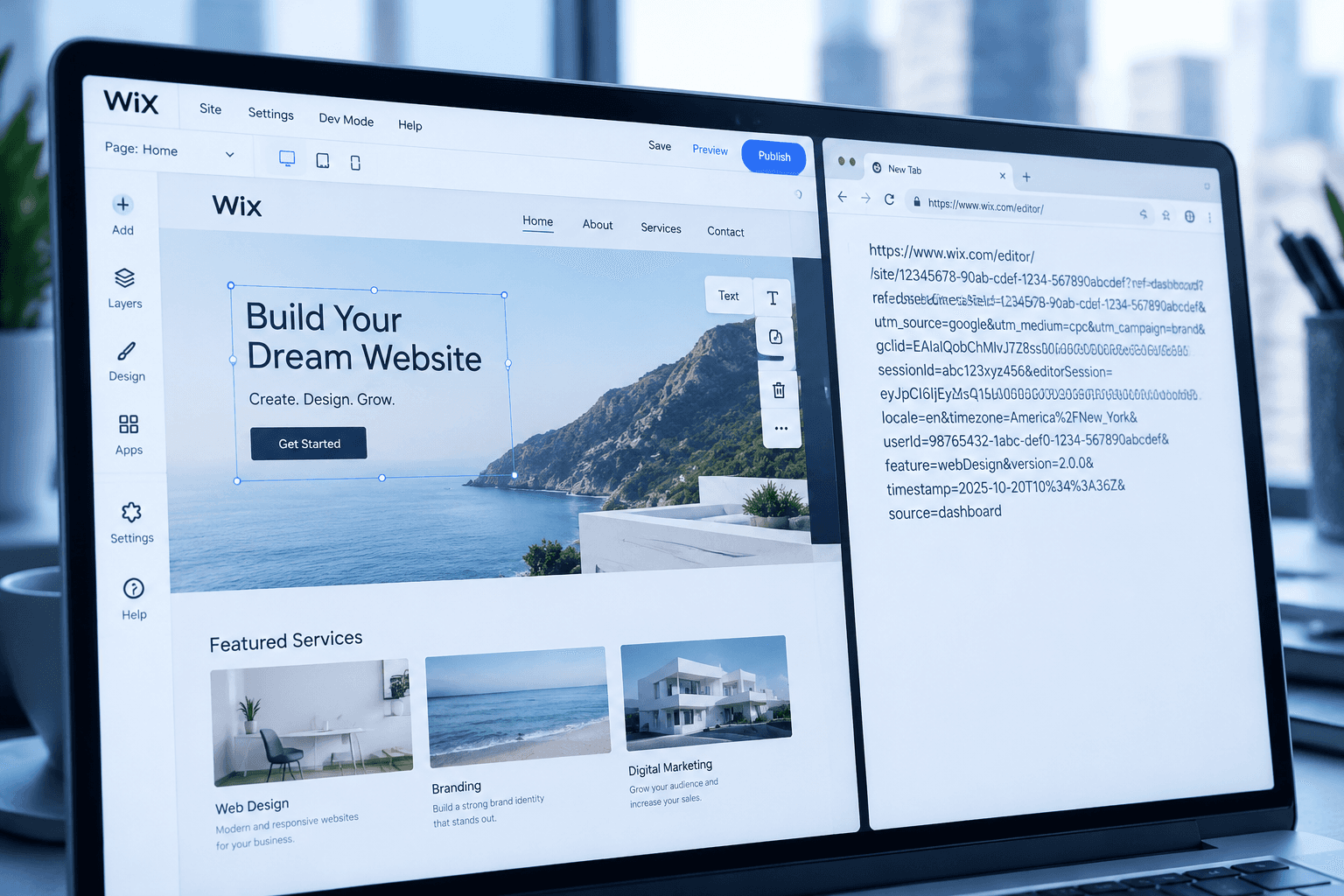
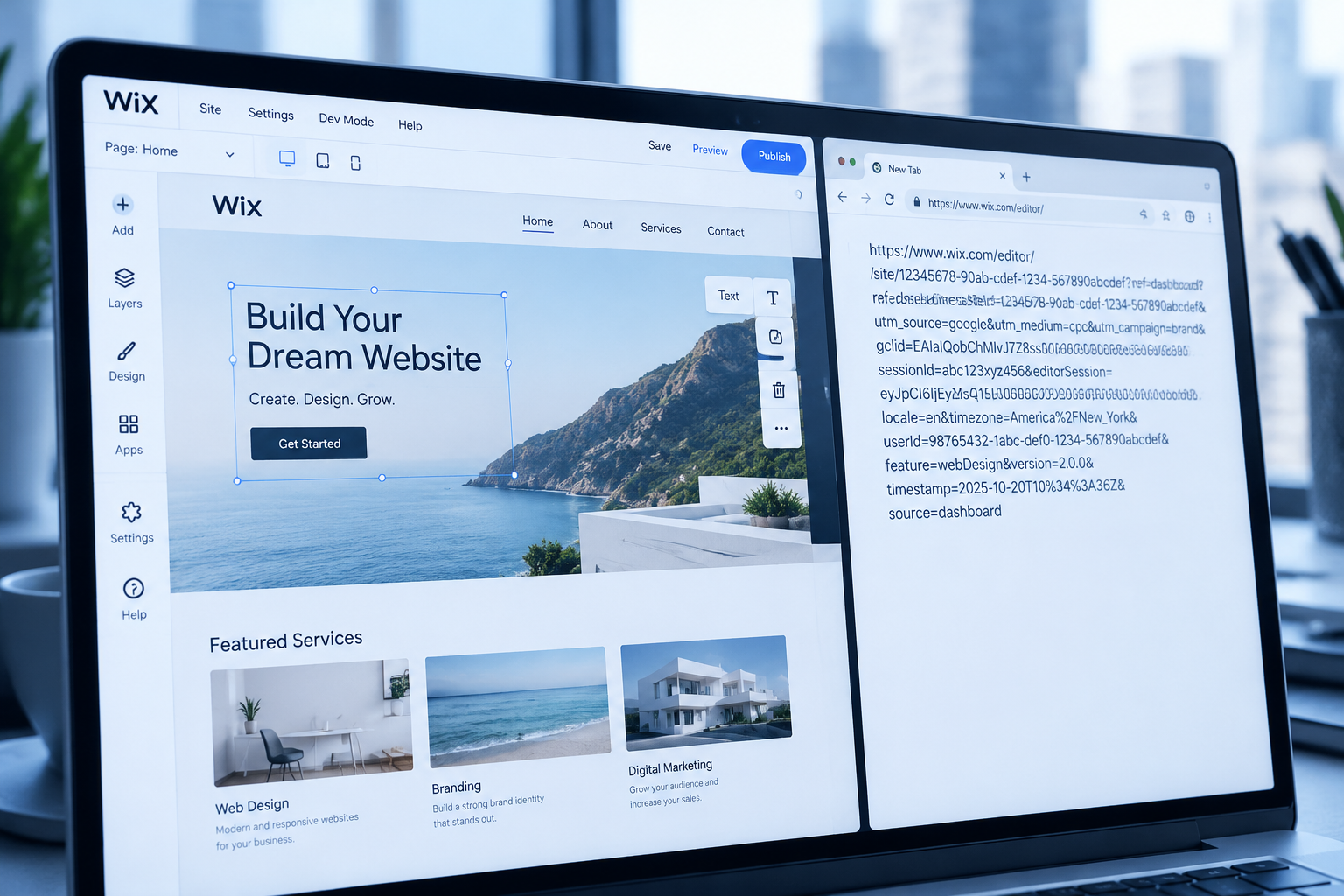
Last month, we took on a redesign project. The original site was built on Wix and had been running for two years, yet Google had only indexed the homepage and two product pages. After reviewing the Search Console data, while 47 URLs were submitted in the sitemap, only 3 were actually indexed. This is not an isolated case. When using Wix for cross-border e-commerce sites, bottlenecks tend to concentrate around a few specific areas. Below, we break them down by symptom, cause, and how to avoid them.
Drag-and-Drop Templates Are Fine for Display, But the SEO Structure Cannot Be Customized
Symptom: The Wix editor is very smooth with high layout flexibility. However, for a global trade site, essential elements like H1 hierarchies, URL structures, and canonical tags have very limited adjustability in Wix. Product page URLs often contain strings of parameters, which is unfriendly to Google crawlers.
Cause: Wix uses a closed SaaS architecture where page structures are uniformly generated by the platform. You cannot change server-side URL rewrite rules or the logic behind URL path generation. Both Google's Helpful Content System and Core Updates emphasize page structure readability; messy URL hierarchies directly impact crawling efficiency.
How to avoid: If your site only needs around 5 display pages and doesn't involve keyword targeting, Wix is sufficient. Once you start working on the 6 basic steps of Google SEO, URL structure and tag control are unavoidable prerequisites. Before you start, confirm whether you can: customize the URL of each page, edit the hierarchy from H1 to H3, and manually add canonical tags.
Domains and Indexing: Starting with Subdomains, and Pitfalls Even After Binding a Custom Domain
Symptom: Wix's free plan provides a subdomain like yourname.wixsite.com. Even after binding a custom domain, the indexing speed remains significantly slower than WordPress or custom-built sites.
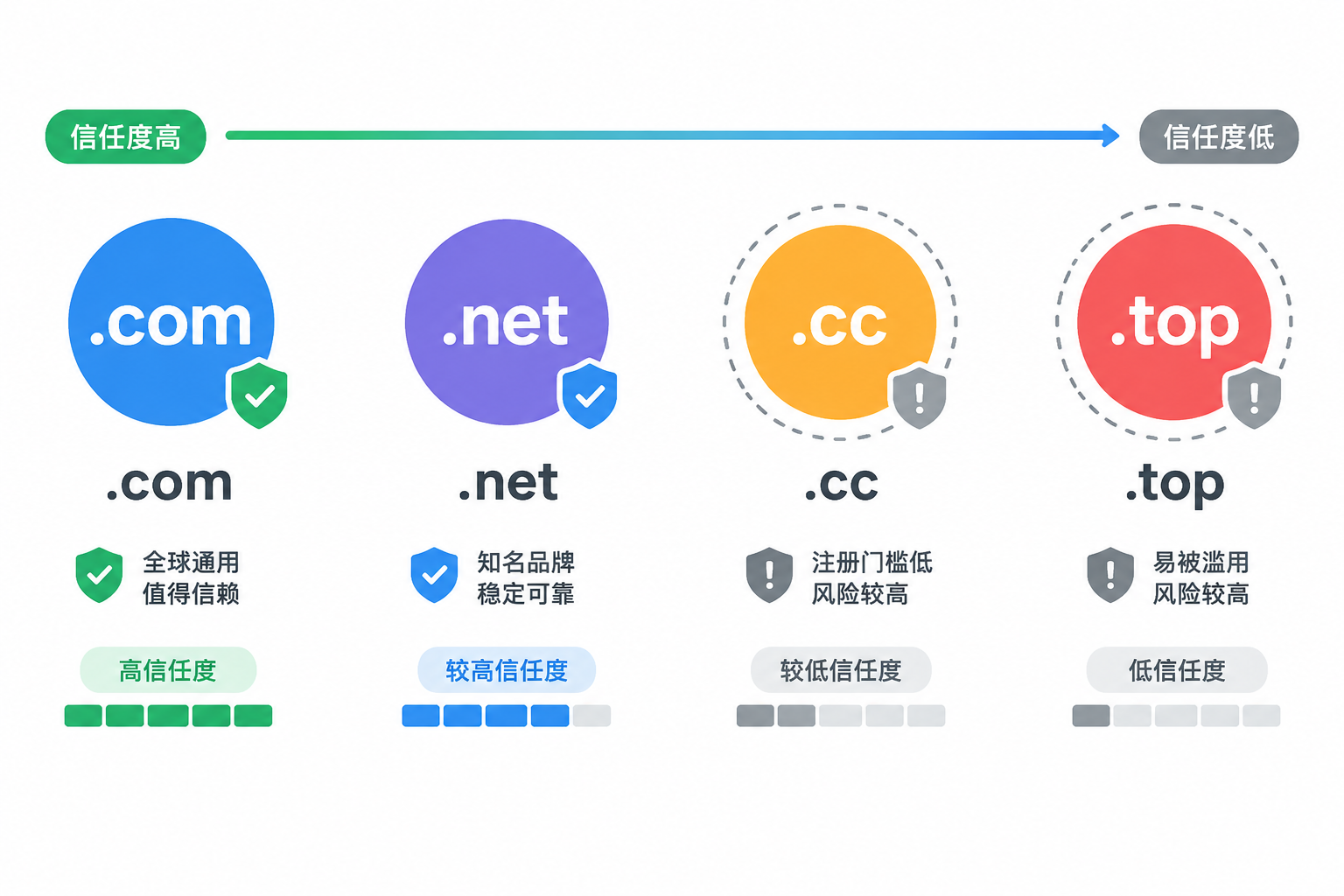
Cause: In Google's eyes, a subdomains is just a subpage of the main Wix site, and its authority belongs to the platform. After binding a custom domain, you still have to go through DNS resolution, SSL certificates, and resubmitting the sitemap. More importantly, it's about choosing the domain itself. In our industry, we prioritize domains in this order: aged domains with close semantic relevance and clean historical data > new domains related to brand/product/category > meaningless number combinations > domains with a gray/black hat history. As for TLDs, extensions like .cc, .top, .xyz, and .cloud often have low initial trust because their low registration prices make them heavily used by spam networks and link farms.
How to avoid: Regardless of the platform you use to build your site, register your domain independently and keep it under your control. Prioritize .com or mainstream extensions in your target market. Use the Wayback Machine to check if the domain has previously been used for spam before registering. Right after binding the domain, submit your sitemap in Search Console and verify that the SSL certificate is working properly.
Multilingual and Structured Data: The Ceiling of Wix
Symptom: Wix offers a Wix Multilingual feature for bilingual sites. However, once you exceed 3 languages or need precise control over hreflang tags, there is very little room to operate.
Cause: Wix Multilingual is a built-in platform module that does not support custom hreflang output formats, nor can it assign independent sitemaps to different language versions. Regarding structured data (JSON-LD), Wix only opens up a limited number of schema types, making it impossible to finely configure product and FAQ page schemas according to Google's requirements.
How to avoid: If your target market only covers English plus one other language, Wix Multilingual can handle it. Once you need more than 3 languages or require independent indexing for multilingual content, you must consider WordPress with WPML or a custom solution. The evaluation criteria are simple: Can you submit a separate sitemap for each language, and can you manually edit the x-default pointer in the hreflang tags?
When Is Wix Enough, and When Should You Switch Paths?
This judgment is straightforward—review your current needs one by one:
- You only need a 3-to-5-page company profile site, run no ads, and do no SEO — Wix is enough.
- You want to drive organic Google traffic, and your target keywords have monthly search volume — Wix's URL and tag limitations will become bottlenecks.
- You need more than 3 languages — Wix Multilingual cannot cover it.
- You need an online inquiry form coupled with CRM integration — SaaS website builders generally offer limited integration.
- You might need to migrate later — Wix does not support one-click exports, making content migration costly.
Building a site with Wix is all drag-and-drop, requiring zero technical knowledge. Drag-and-drop lowers the barrier to layout design, not the barrier to website building. Domain resolution, indexing submission, structured data, and multilingual interlinking—none of these steps disappear just because you use Wix.
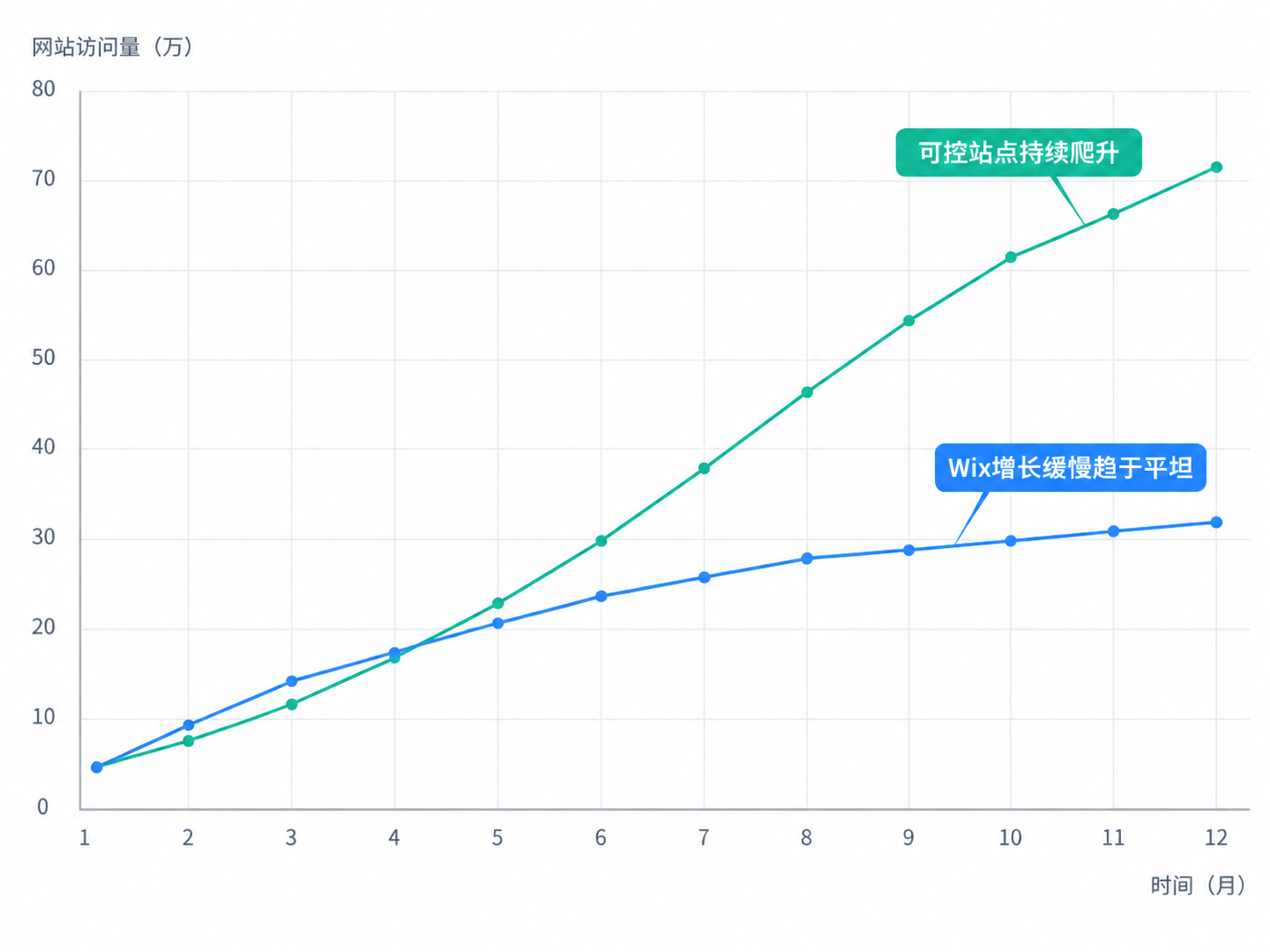
Looking ahead two to three years, an independent site's core assets are its content and indexing. Wix is suitable for validating an idea and quickly putting together a temporary display page. But if your goal is to have Google continuously bring you inquiries, the site's technical controllability, content scalability, and multilingual coverage will determine whether you are building cumulative value or starting over from scratch two years down the line. Choosing a platform essentially means choosing your migration costs two years from now.